

71
• Deep Winter (June to mid-July)
Winter rains result in the flats near the rivers and creeks to be frequently flooded, low lands and salt
marshes are mostly wet, unsuitable for camping and people move uplands to higher sheltered
spots. Possums, koalas, wombats and Grey Kangaroos are also seeking shelter in the higher
grounds, and people caught them close to the campsites. Herbs and the Bower Spinach that grows
on top of mud roofs of the semi-permanent rock wall shelters are convenient for food supply while
people stay inside the shelters and keep fires burning for warmth. Possum skins stitched together
are wrapped around family members to protect against the intense cold spells that occur as the
westerly winds rip through the country ahead of the cold fronts.
• Early Spring (Mid July to August)
The Silver Wattle and the Coast Beard-heath start to flower, the first signs of a change in season,
that winter is coming to an end and that warmer weather is on its way. People move towards the
lower lands and plains, wetlands and lakes where they catch ducks, wildfowl and other birds. Eggs
are in abundance and are collected from nests, including from turtles along the beach. While the
men hunt, the woman collected large quantities of Murnong
11
in string bags to take back to the
11 Murnong was a favored food of the Aboriginal people in Victoria. This is a small plant with a yellow flower that looks
like a daisy, and has an underground tuber, Similar to a yam. It grows all year round, flowers in spring, and is particularly
good to eat in spring (Clark & Kostamski, 2006, p. 20).
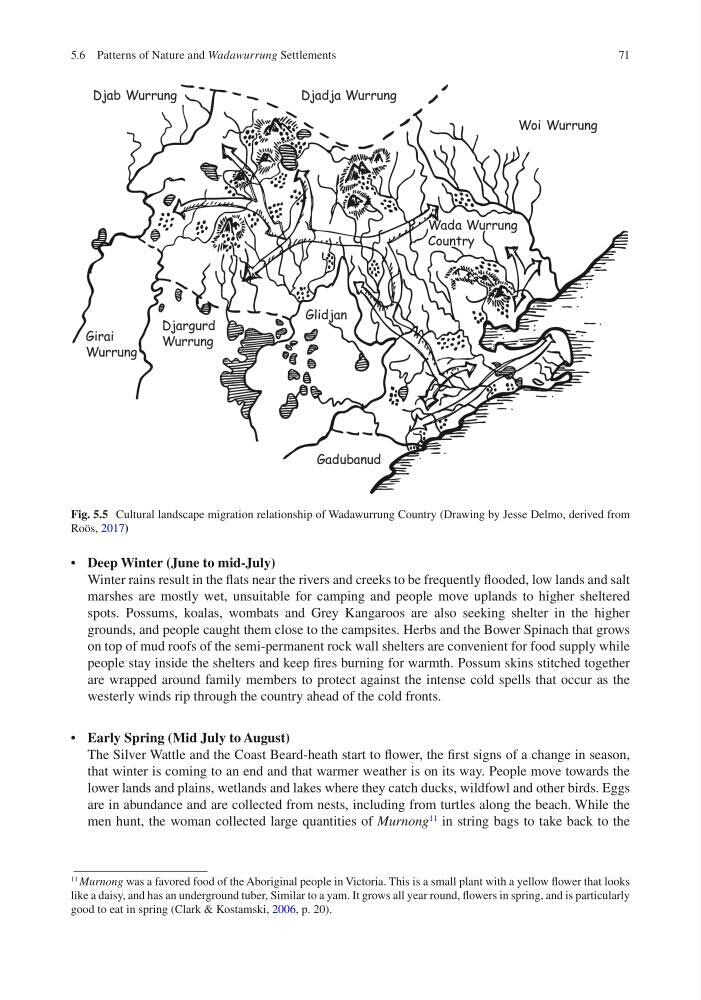
Fig. 5.5 Cultural landscape migration relationship of Wadawurrung Country (Drawing by Jesse Delmo, derived from
Roös, 2017)
5.6 Patterns of Nature and Wadawurrung Settlements
• Deep Winter (June to mid-July)
Winter rains result in the flats near the rivers and creeks to be frequently flooded, low lands and salt
marshes are mostly wet, unsuitable for camping and people move uplands to higher sheltered
spots. Possums, koalas, wombats and Grey Kangaroos are also seeking shelter in the higher
grounds, and people caught them close to the campsites. Herbs and the Bower Spinach that grows
on top of mud roofs of the semi-permanent rock wall shelters are convenient for food supply while
people stay inside the shelters and keep fires burning for warmth. Possum skins stitched together
are wrapped around family members to protect against the intense cold spells that occur as the
westerly winds rip through the country ahead of the cold fronts.
• Early Spring (Mid July to August)
The Silver Wattle and the Coast Beard-heath start to flower, the first signs of a change in season,
that winter is coming to an end and that warmer weather is on its way. People move towards the
lower lands and plains, wetlands and lakes where they catch ducks, wildfowl and other birds. Eggs
are in abundance and are collected from nests, including from turtles along the beach. While the
men hunt, the woman collected large quantities of Murnong
11
in string bags to take back to the
11 Murnong was a favored food of the Aboriginal people in Victoria. This is a small plant with a yellow flower that looks
like a daisy, and has an underground tuber, Similar to a yam. It grows all year round, flowers in spring, and is particularly
good to eat in spring (Clark & Kostamski, 2006, p. 20).
Fig. 5.5 Cultural landscape migration relationship of Wadawurrung Country (Drawing by Jesse Delmo, derived from
Roös, 2017)
5.6 Patterns of Nature and Wadawurrung Settlements