

3
fragments of machines, deadly weapons and layers of chemically altered soil for future geologists to
discover. Wilson (2016) proposed a potential shocking discovery:
The Anthropocene, far-distant geologists might say, unfortunately married swift technological progress with the
worst of human nature. What a terrible time it was for people, and for the rest of life (Wilson, 2016, p. 9).
The problem is clear: we have to change our behaviours, we need to acknowledge the vulnerability of our human species, and reconnect to nature. I argue that a design and development process
that is based on the stipulations of a nature-informed pattern language can help us address this
planetary emergency. The journey of exploration in finding knowledge relating to sustainable design
and development, one that includes a deep connection to nature and stewardship, resulted in me
investigating design and planning theories that relates to the duality of man and nature. These theories have a common thread, the consideration of ‘the whole’. It is evident that living systems are part
of a bigger interconnected whole, or part of an integral existence. As noted by DeKay (2011), relationships of entities in an integral theory that considers ‘holons’ are configured and assembled into
languages, and these patterns in the language of nature occur mostly in the form of ‘network patterns’. Not only is the network a whole system, but it also contains parts, which are themselves
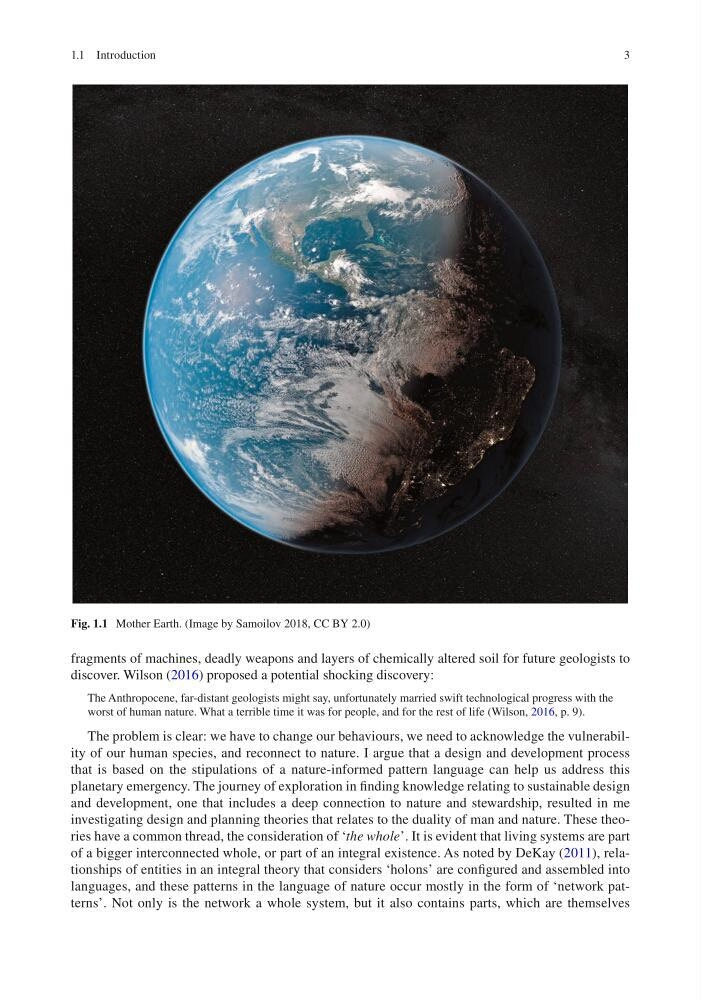
Fig. 1.1 Mother Earth. (Image by Samoilov 2018, CC BY 2.0)
1.1 Introduction
fragments of machines, deadly weapons and layers of chemically altered soil for future geologists to
discover. Wilson (2016) proposed a potential shocking discovery:
The Anthropocene, far-distant geologists might say, unfortunately married swift technological progress with the
worst of human nature. What a terrible time it was for people, and for the rest of life (Wilson, 2016, p. 9).
The problem is clear: we have to change our behaviours, we need to acknowledge the vulnerability of our human species, and reconnect to nature. I argue that a design and development process
that is based on the stipulations of a nature-informed pattern language can help us address this
planetary emergency. The journey of exploration in finding knowledge relating to sustainable design
and development, one that includes a deep connection to nature and stewardship, resulted in me
investigating design and planning theories that relates to the duality of man and nature. These theories have a common thread, the consideration of ‘the whole’. It is evident that living systems are part
of a bigger interconnected whole, or part of an integral existence. As noted by DeKay (2011), relationships of entities in an integral theory that considers ‘holons’ are configured and assembled into
languages, and these patterns in the language of nature occur mostly in the form of ‘network patterns’. Not only is the network a whole system, but it also contains parts, which are themselves
Fig. 1.1 Mother Earth. (Image by Samoilov 2018, CC BY 2.0)
1.1 Introduction