

89
7.2 Deep Roots
Throughout the narrative of this book the message brought to the forefront is that we aim to find a way
to make our settlements more sustainable and adaptable, to make settlements that are regenerative and
adaptive to changing environments, and to plan and design settlements that consider the whole. This
calls for a holistic and integrated process that includes many complex factors. This integrated process
needs to include and consider our deep roots to the natural environment, of which we as human beings
are a part. Such a holistic integrated process, where the complex integrated environment of ecological
systems, nature, climate and regenerative processes, built environment, people values and social structures are all the ingredients of a planned landscape, need multi-disciplinary actors. In this context, the
local residents of a place (including disciplines of architecture, landscape architecture, planning and
ecology) are critical in the placemaking of settlements that are resilient in a future landscape of a
changing climate. Thus, theories in architecture, planning and urban design, ecological design and
landscape architecture are further investigated, especially those that consider the relationships between
the built and natural environments to inform a regenerative- adaptive design and pattern language
hypothesis, and as a result contribute to the knowledge of the design and planning discourse. This
chapter thus explores the history of planning and design of the built environment, more specifically
theories that consider the inclusion or protection of the natural environment.
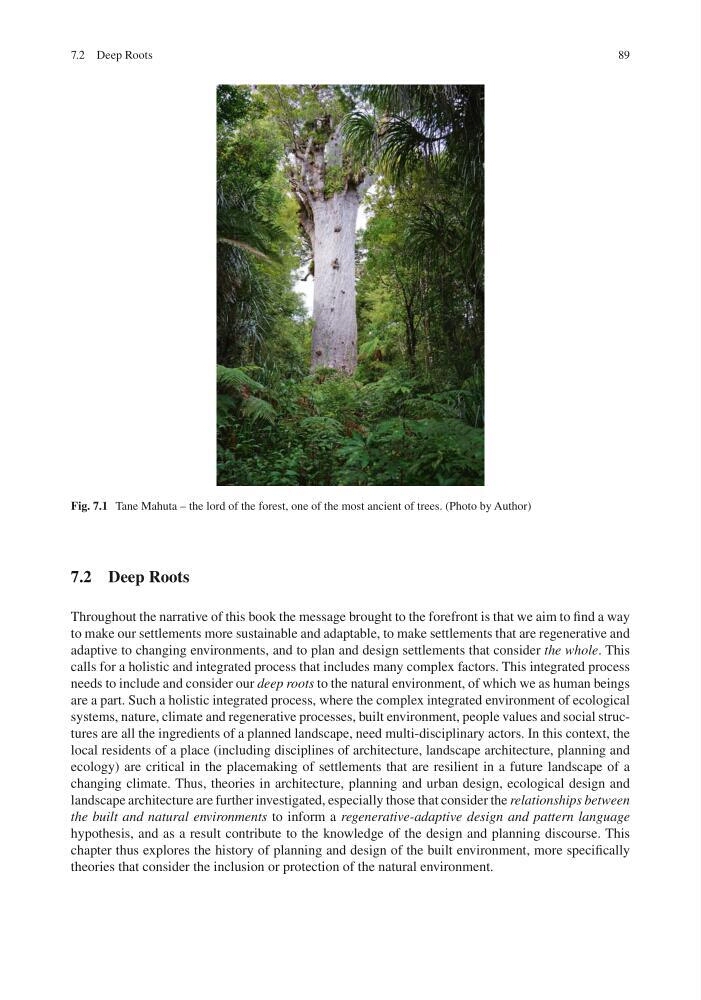
Fig. 7.1 Tane Mahuta – the lord of the forest, one of the most ancient of trees. (Photo by Author)
7.2 Deep Roots
7.2 Deep Roots
Throughout the narrative of this book the message brought to the forefront is that we aim to find a way
to make our settlements more sustainable and adaptable, to make settlements that are regenerative and
adaptive to changing environments, and to plan and design settlements that consider the whole. This
calls for a holistic and integrated process that includes many complex factors. This integrated process
needs to include and consider our deep roots to the natural environment, of which we as human beings
are a part. Such a holistic integrated process, where the complex integrated environment of ecological
systems, nature, climate and regenerative processes, built environment, people values and social structures are all the ingredients of a planned landscape, need multi-disciplinary actors. In this context, the
local residents of a place (including disciplines of architecture, landscape architecture, planning and
ecology) are critical in the placemaking of settlements that are resilient in a future landscape of a
changing climate. Thus, theories in architecture, planning and urban design, ecological design and
landscape architecture are further investigated, especially those that consider the relationships between
the built and natural environments to inform a regenerative- adaptive design and pattern language
hypothesis, and as a result contribute to the knowledge of the design and planning discourse. This
chapter thus explores the history of planning and design of the built environment, more specifically
theories that consider the inclusion or protection of the natural environment.
Fig. 7.1 Tane Mahuta – the lord of the forest, one of the most ancient of trees. (Photo by Author)
7.2 Deep Roots