

73
Holocene (i.e., the last) rise and fall of sea level. There is no evidence on land of any
earlier period of higher sea level except in old (>70 million years) deformed strata.
The implication is that the much of the Malaysian Peninsula region has undergone
slow subsidence for millions of years.
A Needle in a Haystack
My research over many years has focused on sea-level change and the coastal zone
in both the US and SE Asia. I’ve located, measured and evaluated evidence of past
sea-level highstands in many types of coastal environments. This is usually in the
form of fossils or other geological clues (e.g., elevated coastal plain terraces and
marine deposits) left behind. You can’t always know where these clues will be
found. You must go out and search, which can sometimes be hazardous under the
best of conditions. Finding them in Malaysia adds an extra level of risk since parts
of this country are jungle and there are many islands that are difficult to access
(Fig. 5.4). The evidence of former sea levels could be on cliffs or inside caves and
crevices (Figs. 5.5 and 5.6). But huge pythons, venomous cobras, and tigers inhabit
these areas. Excavations and mining can unearth clues (Fig. 5.7). They could be
down wells (Fig. 5.8) or in old graveyards, or on the banks of crocodile-infested rivers.
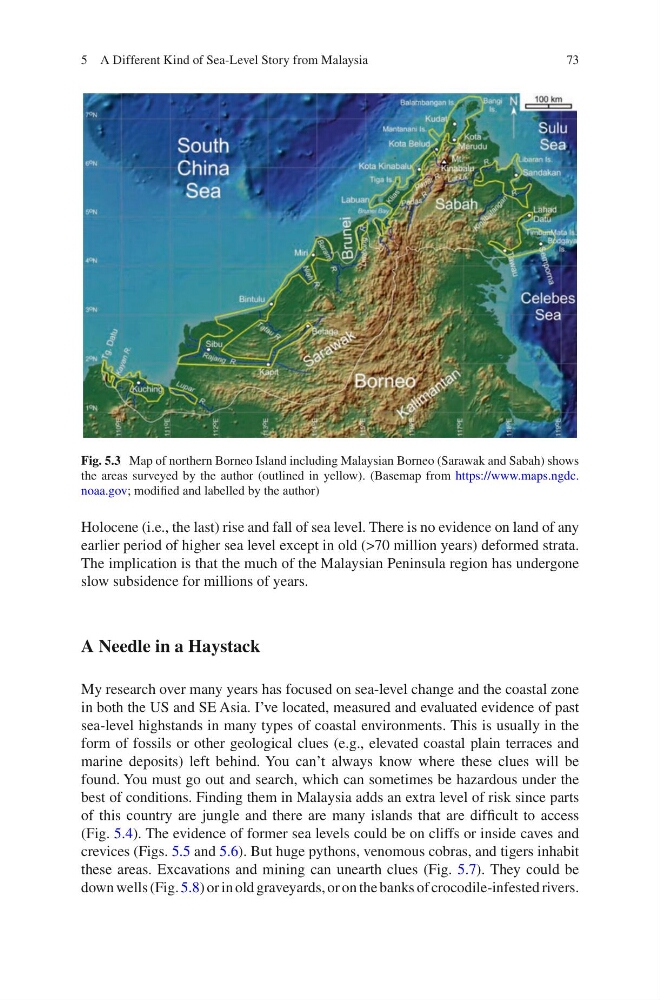
Fig. 5.3 Map of northern Borneo Island including Malaysian Borneo (Sarawak and Sabah) shows
the areas surveyed by the author (outlined in yellow). (Basemap from https://www.maps.ngdc.
noaa.gov; modified and labelled by the author)
5 A Different Kind of Sea-Level Story from Malaysia
Holocene (i.e., the last) rise and fall of sea level. There is no evidence on land of any
earlier period of higher sea level except in old (>70 million years) deformed strata.
The implication is that the much of the Malaysian Peninsula region has undergone
slow subsidence for millions of years.
A Needle in a Haystack
My research over many years has focused on sea-level change and the coastal zone
in both the US and SE Asia. I’ve located, measured and evaluated evidence of past
sea-level highstands in many types of coastal environments. This is usually in the
form of fossils or other geological clues (e.g., elevated coastal plain terraces and
marine deposits) left behind. You can’t always know where these clues will be
found. You must go out and search, which can sometimes be hazardous under the
best of conditions. Finding them in Malaysia adds an extra level of risk since parts
of this country are jungle and there are many islands that are difficult to access
(Fig. 5.4). The evidence of former sea levels could be on cliffs or inside caves and
crevices (Figs. 5.5 and 5.6). But huge pythons, venomous cobras, and tigers inhabit
these areas. Excavations and mining can unearth clues (Fig. 5.7). They could be
down wells (Fig. 5.8) or in old graveyards, or on the banks of crocodile-infested rivers.
Fig. 5.3 Map of northern Borneo Island including Malaysian Borneo (Sarawak and Sabah) shows
the areas surveyed by the author (outlined in yellow). (Basemap from https://www.maps.ngdc.
noaa.gov; modified and labelled by the author)
5 A Different Kind of Sea-Level Story from Malaysia