

47
submitted to an external organization. Often, we supplement the radiocarbon chronology by finding depths in the core that correspond to environmental changes and
pollution trends of known age. These trends and events are recorded in down-core
profiles of elements such as lead, unusual isotopes such as cesium-137, and pollen
from plants that lived in the past.
Industrialization began in the middle of the nineteenth century in eastern North
America and released a lot of pollution into the atmosphere where it was distributed
far and wide by prevailing winds. As the consequences of pumping heavy metals
into the atmosphere for ecological and human health became apparent, legislation
sought to curb pollution. Go to most salt marshes in the mid-Atlantic and northeastern United States and the history of pollution will be immediately clear in downcore (i.e., age) profiles of elements such as lead. Deep in the core, before humans
were agents of industrial-scale pollution, lead concentrations are stable and low. At
some depth up-core, the concentration of lead begins to rise, and this represents the
onset of pollution. It continues to rise to a peak, after which the concentration
declines up-core again because the Clean Air Act became law, so lead was removed
from gasoline and other industrial emissions were sharply curtailed. In some places
even more detail in the history of lead pollution is discernible, including an increase
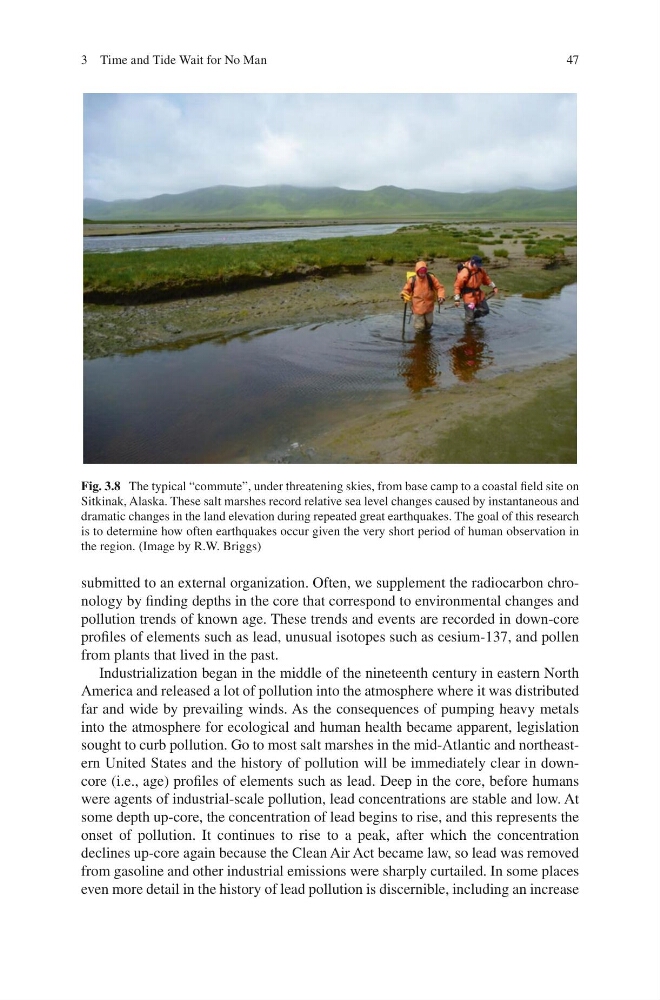
Fig. 3.8 The typical “commute”, under threatening skies, from base camp to a coastal field site on
Sitkinak, Alaska. These salt marshes record relative sea level changes caused by instantaneous and
dramatic changes in the land elevation during repeated great earthquakes. The goal of this research
is to determine how often earthquakes occur given the very short period of human observation in
the region. (Image by R.W. Briggs)
3 Time and Tide Wait for No Man
submitted to an external organization. Often, we supplement the radiocarbon chronology by finding depths in the core that correspond to environmental changes and
pollution trends of known age. These trends and events are recorded in down-core
profiles of elements such as lead, unusual isotopes such as cesium-137, and pollen
from plants that lived in the past.
Industrialization began in the middle of the nineteenth century in eastern North
America and released a lot of pollution into the atmosphere where it was distributed
far and wide by prevailing winds. As the consequences of pumping heavy metals
into the atmosphere for ecological and human health became apparent, legislation
sought to curb pollution. Go to most salt marshes in the mid-Atlantic and northeastern United States and the history of pollution will be immediately clear in downcore (i.e., age) profiles of elements such as lead. Deep in the core, before humans
were agents of industrial-scale pollution, lead concentrations are stable and low. At
some depth up-core, the concentration of lead begins to rise, and this represents the
onset of pollution. It continues to rise to a peak, after which the concentration
declines up-core again because the Clean Air Act became law, so lead was removed
from gasoline and other industrial emissions were sharply curtailed. In some places
even more detail in the history of lead pollution is discernible, including an increase
Fig. 3.8 The typical “commute”, under threatening skies, from base camp to a coastal field site on
Sitkinak, Alaska. These salt marshes record relative sea level changes caused by instantaneous and
dramatic changes in the land elevation during repeated great earthquakes. The goal of this research
is to determine how often earthquakes occur given the very short period of human observation in
the region. (Image by R.W. Briggs)
3 Time and Tide Wait for No Man