

Sulphuric Gley Soils occur in tidal marine estuarine
environments and although now they are usually reserved as
part of the protected coastal environment, some areas have
been drained and developed for agriculture or other coastal
infrastructure. Drainage of such areas is an expensive
undertaking. Usually flood stop banks need to be built to
prevent flooding during storms. Due to the proximity to sea
level, in order to lower the water table, pumping of the
drainage water is usually needed. An additional hazard following drainage of Sulphuric Gley Soils is the development
of extremely low pH (pH of 2 to 4) due to the oxidation of
sulphides (mainly derived from iron sulphides such as pyrite
or from sulphidic sediments such as in shallow coastal
marine settings) to sulphuric acid when the formerly saturated soils become exposed to air and by biochemical
reactions. Sulphuric acid forms only slowly in an abiotic
environment, but the process is greatly accelerated in the
presence of Fe-oxidising bacteria. Such soils are commonly
known as acid-sulphate soils generally or Sulfaquents in Soil
Taxonomy.
An unusual yellow coloured hydrous sulphate mineral
called jarosite—KFe 3 (OH) 6 (SO 4 ) 2 —may also form in
acid-sulphate environments (it has also been identified on
Mars). Jarosite has been identified in soils formed on
reclaimed estuarine sediments such as those adjacent to
Hokianga Harbour (Fluid-saline Sulphuric Gley Soil).
Another sulphate mineral, schwertmanite—Fe 8 O 8 (OH) 8 -2x
(SO 4 )x—can also occur in acid-sulphate soils and in strongly
acid seepages such as from mine tailings.
As well as being lethal to many plants and animals, and
corrosive, the very strong acidity in Sulphuric Gley Soils can
attack clays, releasing Al and Fe, which in turn may generate
Al, Fe, and heavy metal toxicity, and nutrient deficiencies.
Thus for agricultural production, large inputs of lime are
needed to neutralise the acid. It is best to keep water tables as
high as possible, while still maintaining trafficability, in
order to minimise the amount of oxygen entering the subsoil,
and thus the amount of acid produced. The low pH environment can also lead to corrosion of infrastructure, such as
concrete or metal foundations, and water or sewage pipes, as
well as toxicity problems. Thus choice of materials needs to
be carefully considered for engineering developments on
Sulphuric Gley Soils.
Sandy Gley Soils commonly occur in low-laying areas
among coastal dune sands, such as those in the Manawatu sand
country that lies within about 20 km of the west coast between
Bulls and Levin. In the hollows between sand dunes water is
trapped, with no stream outlets, and thus high water tables
occur. Artificial drainage may be difficult because of lack of
fall to a drainage outlet. Lenses of peat materials may occur
and therefore, bearing capacity should be tested for weight
bearing structures. Some areas are probably best left to
water-tolerant native vegetation and to support biodiversity.
However, in some areas the Sandy Gley Soils can be usefully
managed in association with the adjacent dunes (where care is
needed to prevent severe wind erosion and dune remobilisation). The well-drained dunes provide support for pasture and
stock during wet periods, while grazing of the moister sandflats can be supported during summer dry periods.
It is wise to not take the continuing performance of
drainage systems for granted. To remain effective, and thus
sustainable, drainage systems must be maintained to ensure
that outlets from subsurface drainage do not become blocked
and open drains continue to flow. In most cases an annual
inspection is appropriate, but keeping an eye out for water
ponding, or other evidence of drainage failure, is a constant
task for the diligent land manager. In parts of the
groundwater-iron-rich Waikato, for example, ferrihydrite
‘gel-like’ deposits regularly clog drainage pipes, so that the
cost of cleaning them out is such that open drains are usually preferred. Another option is to pass iron-rich drainage
water through oxidising systems (including such arrangements running drainage water through beds of conifer bark)
to remove the iron materials and therefore reduce the
build-up of ferrihydrite gel in downstream drainage systems.
In areas where water is pumped over flood stop banks,
pump maintenance is a regular requirement. In many regions
local councils are responsible for management of community
outlet drains and arrange for a ‘drain digger’ to clear vegetation and sediment from drains once every few years. Land
owners often have requirements on their land-titles to allow
access for drain maintenance activities, as maintenance of
downstream drains is important to prevent flooding for
upstream neighbours.
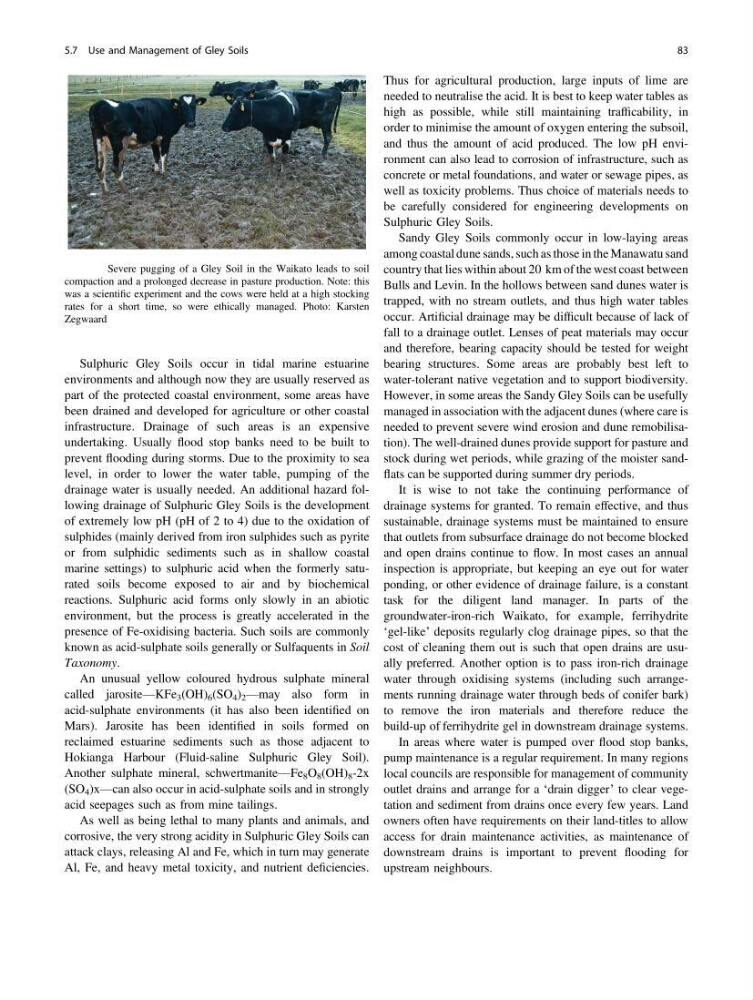
Fig. 5.9 Severe pugging of a Gley Soil in the Waikato leads to soil
compaction and a prolonged decrease in pasture production. Note: this
was a scientific experiment and the cows were held at a high stocking
rates for a short time, so were ethically managed. Photo: Karsten
Zegwaard
5.7 Use and Management of Gley Soils
83
environments and although now they are usually reserved as
part of the protected coastal environment, some areas have
been drained and developed for agriculture or other coastal
infrastructure. Drainage of such areas is an expensive
undertaking. Usually flood stop banks need to be built to
prevent flooding during storms. Due to the proximity to sea
level, in order to lower the water table, pumping of the
drainage water is usually needed. An additional hazard following drainage of Sulphuric Gley Soils is the development
of extremely low pH (pH of 2 to 4) due to the oxidation of
sulphides (mainly derived from iron sulphides such as pyrite
or from sulphidic sediments such as in shallow coastal
marine settings) to sulphuric acid when the formerly saturated soils become exposed to air and by biochemical
reactions. Sulphuric acid forms only slowly in an abiotic
environment, but the process is greatly accelerated in the
presence of Fe-oxidising bacteria. Such soils are commonly
known as acid-sulphate soils generally or Sulfaquents in Soil
Taxonomy.
An unusual yellow coloured hydrous sulphate mineral
called jarosite—KFe 3 (OH) 6 (SO 4 ) 2 —may also form in
acid-sulphate environments (it has also been identified on
Mars). Jarosite has been identified in soils formed on
reclaimed estuarine sediments such as those adjacent to
Hokianga Harbour (Fluid-saline Sulphuric Gley Soil).
Another sulphate mineral, schwertmanite—Fe 8 O 8 (OH) 8 -2x
(SO 4 )x—can also occur in acid-sulphate soils and in strongly
acid seepages such as from mine tailings.
As well as being lethal to many plants and animals, and
corrosive, the very strong acidity in Sulphuric Gley Soils can
attack clays, releasing Al and Fe, which in turn may generate
Al, Fe, and heavy metal toxicity, and nutrient deficiencies.
Thus for agricultural production, large inputs of lime are
needed to neutralise the acid. It is best to keep water tables as
high as possible, while still maintaining trafficability, in
order to minimise the amount of oxygen entering the subsoil,
and thus the amount of acid produced. The low pH environment can also lead to corrosion of infrastructure, such as
concrete or metal foundations, and water or sewage pipes, as
well as toxicity problems. Thus choice of materials needs to
be carefully considered for engineering developments on
Sulphuric Gley Soils.
Sandy Gley Soils commonly occur in low-laying areas
among coastal dune sands, such as those in the Manawatu sand
country that lies within about 20 km of the west coast between
Bulls and Levin. In the hollows between sand dunes water is
trapped, with no stream outlets, and thus high water tables
occur. Artificial drainage may be difficult because of lack of
fall to a drainage outlet. Lenses of peat materials may occur
and therefore, bearing capacity should be tested for weight
bearing structures. Some areas are probably best left to
water-tolerant native vegetation and to support biodiversity.
However, in some areas the Sandy Gley Soils can be usefully
managed in association with the adjacent dunes (where care is
needed to prevent severe wind erosion and dune remobilisation). The well-drained dunes provide support for pasture and
stock during wet periods, while grazing of the moister sandflats can be supported during summer dry periods.
It is wise to not take the continuing performance of
drainage systems for granted. To remain effective, and thus
sustainable, drainage systems must be maintained to ensure
that outlets from subsurface drainage do not become blocked
and open drains continue to flow. In most cases an annual
inspection is appropriate, but keeping an eye out for water
ponding, or other evidence of drainage failure, is a constant
task for the diligent land manager. In parts of the
groundwater-iron-rich Waikato, for example, ferrihydrite
‘gel-like’ deposits regularly clog drainage pipes, so that the
cost of cleaning them out is such that open drains are usually preferred. Another option is to pass iron-rich drainage
water through oxidising systems (including such arrangements running drainage water through beds of conifer bark)
to remove the iron materials and therefore reduce the
build-up of ferrihydrite gel in downstream drainage systems.
In areas where water is pumped over flood stop banks,
pump maintenance is a regular requirement. In many regions
local councils are responsible for management of community
outlet drains and arrange for a ‘drain digger’ to clear vegetation and sediment from drains once every few years. Land
owners often have requirements on their land-titles to allow
access for drain maintenance activities, as maintenance of
downstream drains is important to prevent flooding for
upstream neighbours.
Fig. 5.9 Severe pugging of a Gley Soil in the Waikato leads to soil
compaction and a prolonged decrease in pasture production. Note: this
was a scientific experiment and the cows were held at a high stocking
rates for a short time, so were ethically managed. Photo: Karsten
Zegwaard
5.7 Use and Management of Gley Soils
83