

76
J. F. Pusateri et al.
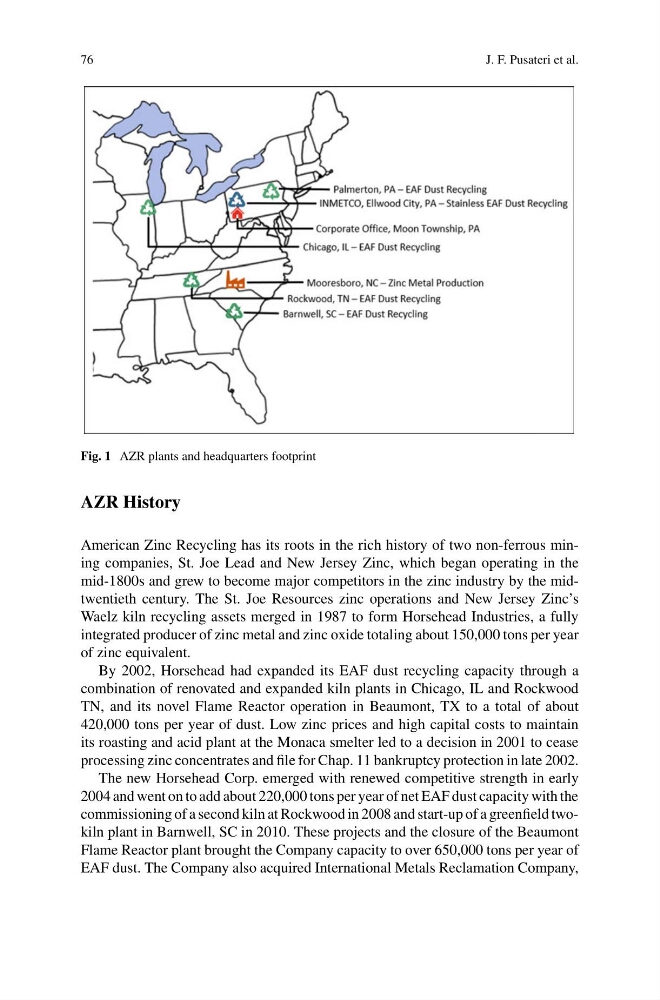
Fig. 1 AZR plants and headquarters footprint
AZR History
American Zinc Recycling has its roots in the rich history of two non-ferrous mining companies, St. Joe Lead and New Jersey Zinc, which began operating in the
mid-1800s and grew to become major competitors in the zinc industry by the midtwentieth century. The St. Joe Resources zinc operations and New Jersey Zinc’s
Waelz kiln recycling assets merged in 1987 to form Horsehead Industries, a fully
integrated producer of zinc metal and zinc oxide totaling about 150,000 tons per year
of zinc equivalent.
By 2002, Horsehead had expanded its EAF dust recycling capacity through a
combination of renovated and expanded kiln plants in Chicago, IL and Rockwood
TN, and its novel Flame Reactor operation in Beaumont, TX to a total of about
420,000 tons per year of dust. Low zinc prices and high capital costs to maintain
its roasting and acid plant at the Monaca smelter led to a decision in 2001 to cease
processing zinc concentrates and file for Chap. 11 bankruptcy protection in late 2002.
The new Horsehead Corp. emerged with renewed competitive strength in early
2004 and went on to add about 220,000 tons per year of net EAF dust capacity with the
commissioning of a second kiln at Rockwood in 2008 and start-up of a greenfield twokiln plant in Barnwell, SC in 2010. These projects and the closure of the Beaumont
Flame Reactor plant brought the Company capacity to over 650,000 tons per year of
EAF dust. The Company also acquired International Metals Reclamation Company,
J. F. Pusateri et al.
Fig. 1 AZR plants and headquarters footprint
AZR History
American Zinc Recycling has its roots in the rich history of two non-ferrous mining companies, St. Joe Lead and New Jersey Zinc, which began operating in the
mid-1800s and grew to become major competitors in the zinc industry by the midtwentieth century. The St. Joe Resources zinc operations and New Jersey Zinc’s
Waelz kiln recycling assets merged in 1987 to form Horsehead Industries, a fully
integrated producer of zinc metal and zinc oxide totaling about 150,000 tons per year
of zinc equivalent.
By 2002, Horsehead had expanded its EAF dust recycling capacity through a
combination of renovated and expanded kiln plants in Chicago, IL and Rockwood
TN, and its novel Flame Reactor operation in Beaumont, TX to a total of about
420,000 tons per year of dust. Low zinc prices and high capital costs to maintain
its roasting and acid plant at the Monaca smelter led to a decision in 2001 to cease
processing zinc concentrates and file for Chap. 11 bankruptcy protection in late 2002.
The new Horsehead Corp. emerged with renewed competitive strength in early
2004 and went on to add about 220,000 tons per year of net EAF dust capacity with the
commissioning of a second kiln at Rockwood in 2008 and start-up of a greenfield twokiln plant in Barnwell, SC in 2010. These projects and the closure of the Beaumont
Flame Reactor plant brought the Company capacity to over 650,000 tons per year of
EAF dust. The Company also acquired International Metals Reclamation Company,