

500
S. Grund and E. van Genderen
T Theme 1 Zinc
sector
roadmap
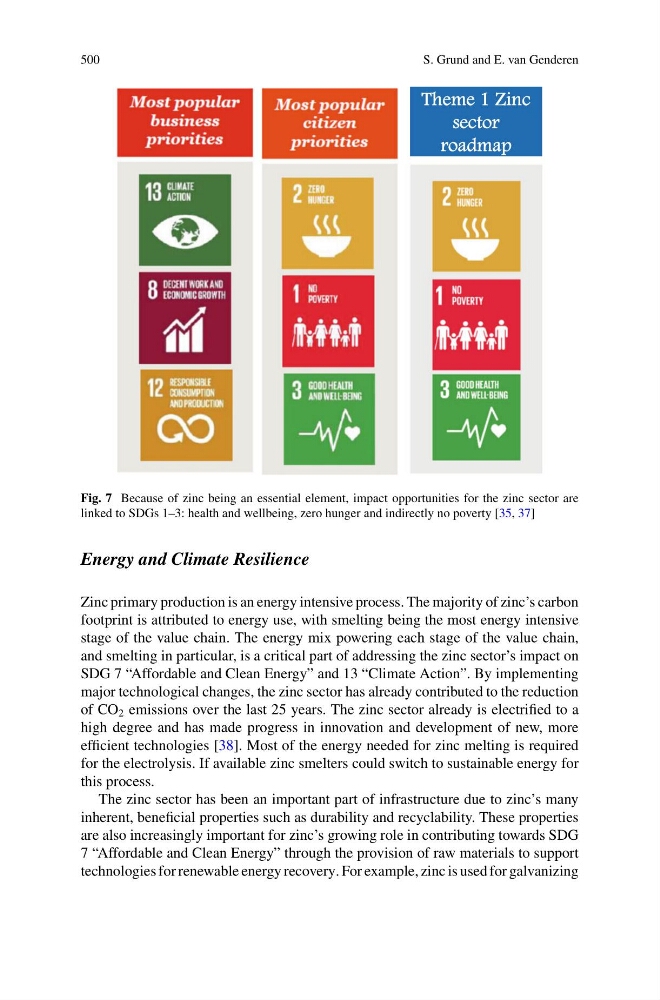
Fig. 7 Because of zinc being an essential element, impact opportunities for the zinc sector are
linked to SDGs 1–3: health and wellbeing, zero hunger and indirectly no poverty [35, 37]
Energy and Climate Resilience
Zinc primary production is an energy intensive process. The majority of zinc’s carbon
footprint is attributed to energy use, with smelting being the most energy intensive
stage of the value chain. The energy mix powering each stage of the value chain,
and smelting in particular, is a critical part of addressing the zinc sector’s impact on
SDG 7 “Affordable and Clean Energy” and 13 “Climate Action”. By implementing
major technological changes, the zinc sector has already contributed to the reduction
of CO 2 emissions over the last 25 years. The zinc sector already is electrified to a
high degree and has made progress in innovation and development of new, more
efficient technologies [38]. Most of the energy needed for zinc melting is required
for the electrolysis. If available zinc smelters could switch to sustainable energy for
this process.
The zinc sector has been an important part of infrastructure due to zinc’s many
inherent, beneficial properties such as durability and recyclability. These properties
are also increasingly important for zinc’s growing role in contributing towards SDG
7 “Affordable and Clean Energy” through the provision of raw materials to support
technologies for renewable energy recovery. For example, zinc is used for galvanizing
S. Grund and E. van Genderen
T Theme 1 Zinc
sector
roadmap
Fig. 7 Because of zinc being an essential element, impact opportunities for the zinc sector are
linked to SDGs 1–3: health and wellbeing, zero hunger and indirectly no poverty [35, 37]
Energy and Climate Resilience
Zinc primary production is an energy intensive process. The majority of zinc’s carbon
footprint is attributed to energy use, with smelting being the most energy intensive
stage of the value chain. The energy mix powering each stage of the value chain,
and smelting in particular, is a critical part of addressing the zinc sector’s impact on
SDG 7 “Affordable and Clean Energy” and 13 “Climate Action”. By implementing
major technological changes, the zinc sector has already contributed to the reduction
of CO 2 emissions over the last 25 years. The zinc sector already is electrified to a
high degree and has made progress in innovation and development of new, more
efficient technologies [38]. Most of the energy needed for zinc melting is required
for the electrolysis. If available zinc smelters could switch to sustainable energy for
this process.
The zinc sector has been an important part of infrastructure due to zinc’s many
inherent, beneficial properties such as durability and recyclability. These properties
are also increasingly important for zinc’s growing role in contributing towards SDG
7 “Affordable and Clean Energy” through the provision of raw materials to support
technologies for renewable energy recovery. For example, zinc is used for galvanizing