

Experience with Digital Process Optimization of Zinc Roasting …
383
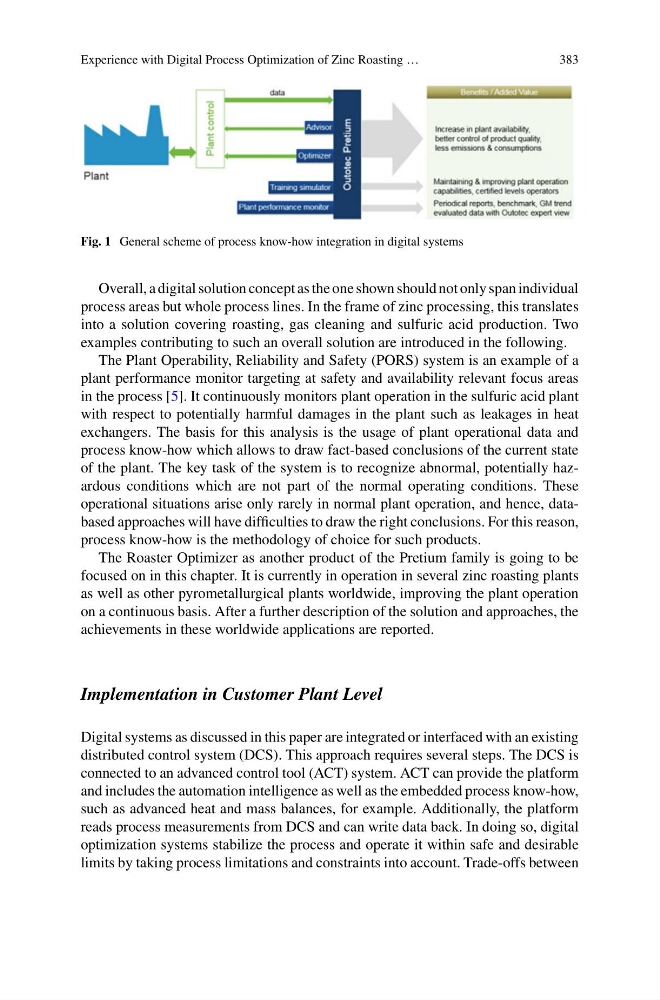
Fig. 1 General scheme of process know-how integration in digital systems
Overall, a digital solution concept as the one shown should not only span individual
process areas but whole process lines. In the frame of zinc processing, this translates
into a solution covering roasting, gas cleaning and sulfuric acid production. Two
examples contributing to such an overall solution are introduced in the following.
The Plant Operability, Reliability and Safety (PORS) system is an example of a
plant performance monitor targeting at safety and availability relevant focus areas
in the process [5]. It continuously monitors plant operation in the sulfuric acid plant
with respect to potentially harmful damages in the plant such as leakages in heat
exchangers. The basis for this analysis is the usage of plant operational data and
process know-how which allows to draw fact-based conclusions of the current state
of the plant. The key task of the system is to recognize abnormal, potentially hazardous conditions which are not part of the normal operating conditions. These
operational situations arise only rarely in normal plant operation, and hence, databased approaches will have difficulties to draw the right conclusions. For this reason,
process know-how is the methodology of choice for such products.
The Roaster Optimizer as another product of the Pretium family is going to be
focused on in this chapter. It is currently in operation in several zinc roasting plants
as well as other pyrometallurgical plants worldwide, improving the plant operation
on a continuous basis. After a further description of the solution and approaches, the
achievements in these worldwide applications are reported.
Implementation in Customer Plant Level
Digital systems as discussed in this paper are integrated or interfaced with an existing
distributed control system (DCS). This approach requires several steps. The DCS is
connected to an advanced control tool (ACT) system. ACT can provide the platform
and includes the automation intelligence as well as the embedded process know-how,
such as advanced heat and mass balances, for example. Additionally, the platform
reads process measurements from DCS and can write data back. In doing so, digital
optimization systems stabilize the process and operate it within safe and desirable
limits by taking process limitations and constraints into account. Trade-offs between
383
Fig. 1 General scheme of process know-how integration in digital systems
Overall, a digital solution concept as the one shown should not only span individual
process areas but whole process lines. In the frame of zinc processing, this translates
into a solution covering roasting, gas cleaning and sulfuric acid production. Two
examples contributing to such an overall solution are introduced in the following.
The Plant Operability, Reliability and Safety (PORS) system is an example of a
plant performance monitor targeting at safety and availability relevant focus areas
in the process [5]. It continuously monitors plant operation in the sulfuric acid plant
with respect to potentially harmful damages in the plant such as leakages in heat
exchangers. The basis for this analysis is the usage of plant operational data and
process know-how which allows to draw fact-based conclusions of the current state
of the plant. The key task of the system is to recognize abnormal, potentially hazardous conditions which are not part of the normal operating conditions. These
operational situations arise only rarely in normal plant operation, and hence, databased approaches will have difficulties to draw the right conclusions. For this reason,
process know-how is the methodology of choice for such products.
The Roaster Optimizer as another product of the Pretium family is going to be
focused on in this chapter. It is currently in operation in several zinc roasting plants
as well as other pyrometallurgical plants worldwide, improving the plant operation
on a continuous basis. After a further description of the solution and approaches, the
achievements in these worldwide applications are reported.
Implementation in Customer Plant Level
Digital systems as discussed in this paper are integrated or interfaced with an existing
distributed control system (DCS). This approach requires several steps. The DCS is
connected to an advanced control tool (ACT) system. ACT can provide the platform
and includes the automation intelligence as well as the embedded process know-how,
such as advanced heat and mass balances, for example. Additionally, the platform
reads process measurements from DCS and can write data back. In doing so, digital
optimization systems stabilize the process and operate it within safe and desirable
limits by taking process limitations and constraints into account. Trade-offs between