

Application of CSC Technology in Nonferrous Metallurgy
215
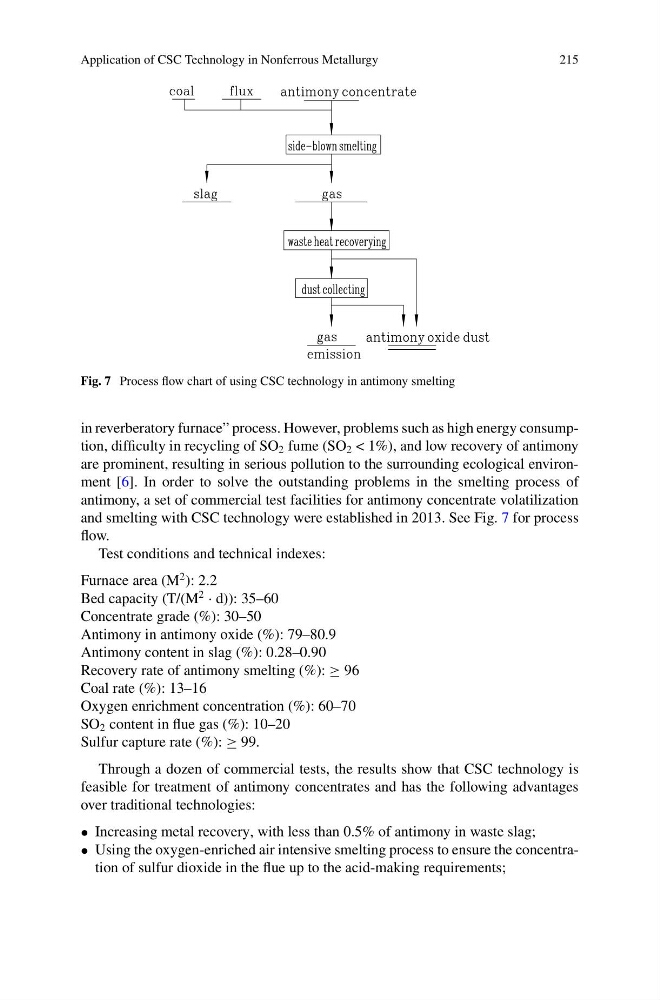
Fig. 7 Process flow chart of using CSC technology in antimony smelting
in reverberatory furnace” process. However, problems such as high energy consumption, difficulty in recycling of SO 2 fume (SO 2 < 1%), and low recovery of antimony
are prominent, resulting in serious pollution to the surrounding ecological environment [6]. In order to solve the outstanding problems in the smelting process of
antimony, a set of commercial test facilities for antimony concentrate volatilization
and smelting with CSC technology were established in 2013. See Fig. 7 for process
flow.
Test conditions and technical indexes:
Furnace area (M
2 ): 2.2
Bed capacity (T/(M
2 · d)): 35–60
Concentrate grade (%): 30–50
Antimony in antimony oxide (%): 79–80.9
Antimony content in slag (%): 0.28–0.90
Recovery rate of antimony smelting (%): ≥ 96
Coal rate (%): 13–16
Oxygen enrichment concentration (%): 60–70
SO 2 content in flue gas (%): 10–20
Sulfur capture rate (%): ≥ 99.
Through a dozen of commercial tests, the results show that CSC technology is
feasible for treatment of antimony concentrates and has the following advantages
over traditional technologies:
• Increasing metal recovery, with less than 0.5% of antimony in waste slag;
• Using the oxygen-enriched air intensive smelting process to ensure the concentration of sulfur dioxide in the flue up to the acid-making requirements;
215
Fig. 7 Process flow chart of using CSC technology in antimony smelting
in reverberatory furnace” process. However, problems such as high energy consumption, difficulty in recycling of SO 2 fume (SO 2 < 1%), and low recovery of antimony
are prominent, resulting in serious pollution to the surrounding ecological environment [6]. In order to solve the outstanding problems in the smelting process of
antimony, a set of commercial test facilities for antimony concentrate volatilization
and smelting with CSC technology were established in 2013. See Fig. 7 for process
flow.
Test conditions and technical indexes:
Furnace area (M
2 ): 2.2
Bed capacity (T/(M
2 · d)): 35–60
Concentrate grade (%): 30–50
Antimony in antimony oxide (%): 79–80.9
Antimony content in slag (%): 0.28–0.90
Recovery rate of antimony smelting (%): ≥ 96
Coal rate (%): 13–16
Oxygen enrichment concentration (%): 60–70
SO 2 content in flue gas (%): 10–20
Sulfur capture rate (%): ≥ 99.
Through a dozen of commercial tests, the results show that CSC technology is
feasible for treatment of antimony concentrates and has the following advantages
over traditional technologies:
• Increasing metal recovery, with less than 0.5% of antimony in waste slag;
• Using the oxygen-enriched air intensive smelting process to ensure the concentration of sulfur dioxide in the flue up to the acid-making requirements;