

38
4 Cathodic Exfoliation of Graphite in Molten Salt Electrolytes
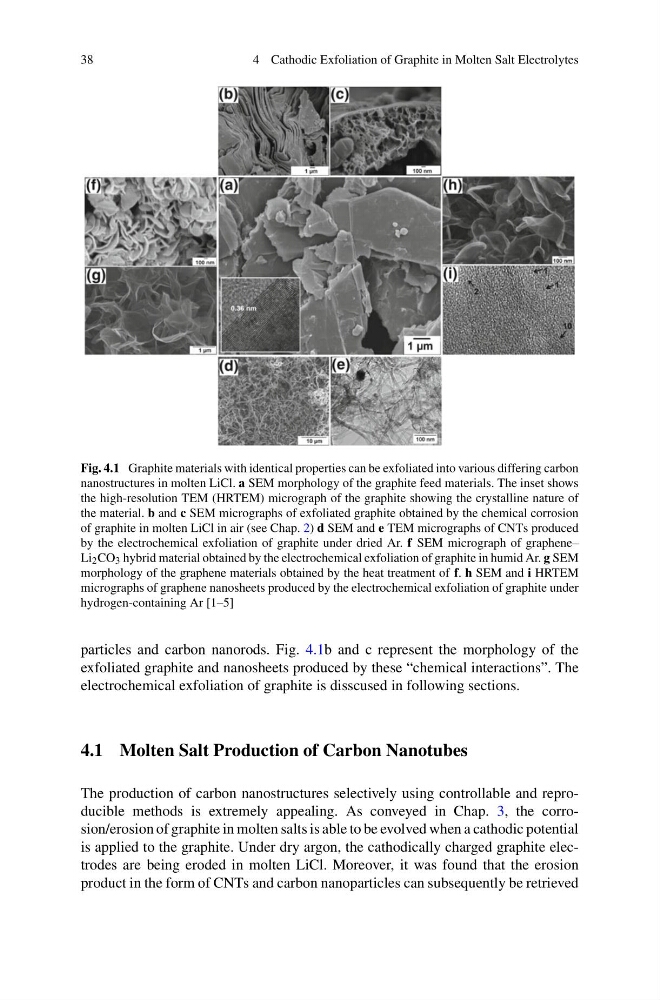
Fig. 4.1 Graphite materials with identical properties can be exfoliated into various differing carbon
nanostructures in molten LiCl. a SEM morphology of the graphite feed materials. The inset shows
the high-resolution TEM (HRTEM) micrograph of the graphite showing the crystalline nature of
the material. b and c SEM micrographs of exfoliated graphite obtained by the chemical corrosion
of graphite in molten LiCl in air (see Chap. 2) d SEM and e TEM micrographs of CNTs produced
by the electrochemical exfoliation of graphite under dried Ar. f SEM micrograph of graphene–
Li 2 CO 3 hybrid material obtained by the electrochemical exfoliation of graphite in humid Ar. g SEM
morphology of the graphene materials obtained by the heat treatment of f. h SEM and i HRTEM
micrographs of graphene nanosheets produced by the electrochemical exfoliation of graphite under
hydrogen-containing Ar [1–5]
particles and carbon nanorods. Fig. 4.1b and c represent the morphology of the
exfoliated graphite and nanosheets produced by these “chemical interactions”. The
electrochemical exfoliation of graphite is disscused in following sections.
4.1 Molten Salt Production of Carbon Nanotubes
The production of carbon nanostructures selectively using controllable and reproducible methods is extremely appealing. As conveyed in Chap. 3, the corrosion/erosion of graphite in molten salts is able to be evolved when a cathodic potential
is applied to the graphite. Under dry argon, the cathodically charged graphite electrodes are being eroded in molten LiCl. Moreover, it was found that the erosion
product in the form of CNTs and carbon nanoparticles can subsequently be retrieved
4 Cathodic Exfoliation of Graphite in Molten Salt Electrolytes
Fig. 4.1 Graphite materials with identical properties can be exfoliated into various differing carbon
nanostructures in molten LiCl. a SEM morphology of the graphite feed materials. The inset shows
the high-resolution TEM (HRTEM) micrograph of the graphite showing the crystalline nature of
the material. b and c SEM micrographs of exfoliated graphite obtained by the chemical corrosion
of graphite in molten LiCl in air (see Chap. 2) d SEM and e TEM micrographs of CNTs produced
by the electrochemical exfoliation of graphite under dried Ar. f SEM micrograph of graphene–
Li 2 CO 3 hybrid material obtained by the electrochemical exfoliation of graphite in humid Ar. g SEM
morphology of the graphene materials obtained by the heat treatment of f. h SEM and i HRTEM
micrographs of graphene nanosheets produced by the electrochemical exfoliation of graphite under
hydrogen-containing Ar [1–5]
particles and carbon nanorods. Fig. 4.1b and c represent the morphology of the
exfoliated graphite and nanosheets produced by these “chemical interactions”. The
electrochemical exfoliation of graphite is disscused in following sections.
4.1 Molten Salt Production of Carbon Nanotubes
The production of carbon nanostructures selectively using controllable and reproducible methods is extremely appealing. As conveyed in Chap. 3, the corrosion/erosion of graphite in molten salts is able to be evolved when a cathodic potential
is applied to the graphite. Under dry argon, the cathodically charged graphite electrodes are being eroded in molten LiCl. Moreover, it was found that the erosion
product in the form of CNTs and carbon nanoparticles can subsequently be retrieved