

3.6 Effect of Molten LiCl on the Microstructure of Graphite
33
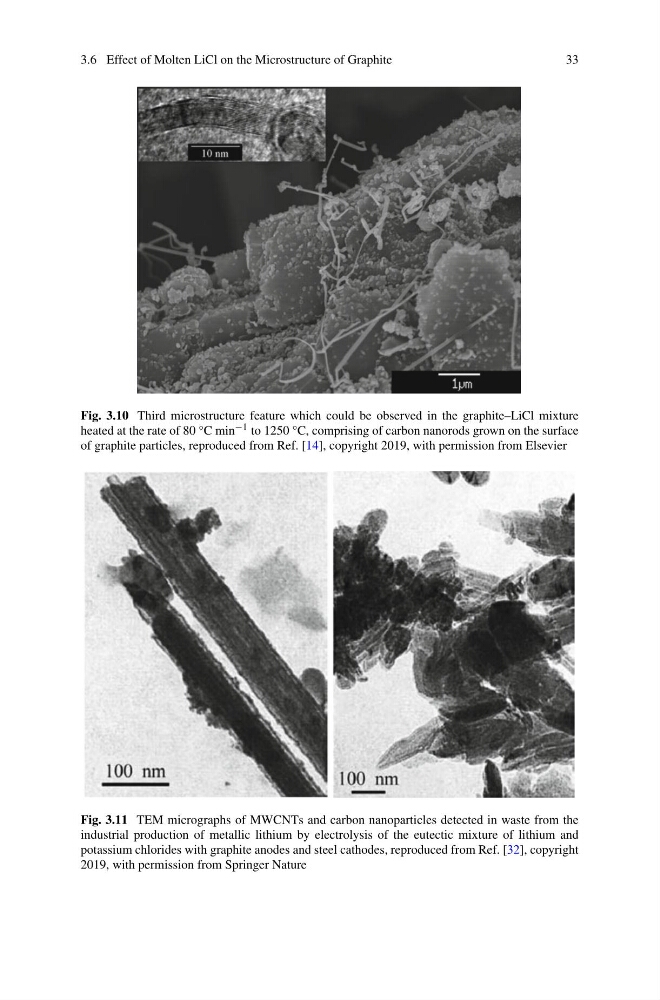
Fig. 3.10 Third microstructure feature which could be observed in the graphite–LiCl mixture
heated at the rate of 80 °C min −1 to 1250 °C, comprising of carbon nanorods grown on the surface
of graphite particles, reproduced from Ref. [14], copyright 2019, with permission from Elsevier
Fig. 3.11 TEM micrographs of MWCNTs and carbon nanoparticles detected in waste from the
industrial production of metallic lithium by electrolysis of the eutectic mixture of lithium and
potassium chlorides with graphite anodes and steel cathodes, reproduced from Ref. [32], copyright
2019, with permission from Springer Nature
33
Fig. 3.10 Third microstructure feature which could be observed in the graphite–LiCl mixture
heated at the rate of 80 °C min −1 to 1250 °C, comprising of carbon nanorods grown on the surface
of graphite particles, reproduced from Ref. [14], copyright 2019, with permission from Elsevier
Fig. 3.11 TEM micrographs of MWCNTs and carbon nanoparticles detected in waste from the
industrial production of metallic lithium by electrolysis of the eutectic mixture of lithium and
potassium chlorides with graphite anodes and steel cathodes, reproduced from Ref. [32], copyright
2019, with permission from Springer Nature