

Eco-friendly Surface Modification …
531
Polymer
Surface
Modification
Physical
Methods
Treatment with
active gases or
radiation
Plasma
Treatment
Corona
Treatment
Flame
Treatment
UV treatment
Ion Beam
treatments
Chemical
Methods
Wet Chemical
Processing
Polymer
Coating
Oxidation
Sulhonation
Chlorination
Mechanical
Methods
Roughening or
Microencapsula
tion
Semiconductors
Genetic
engineering
In-vitro
fertilisation
Biological
Methods
- Physical
Adsorption or
Self cross
linking of
biomolecules
- Cell seeding
and growth to
confluence
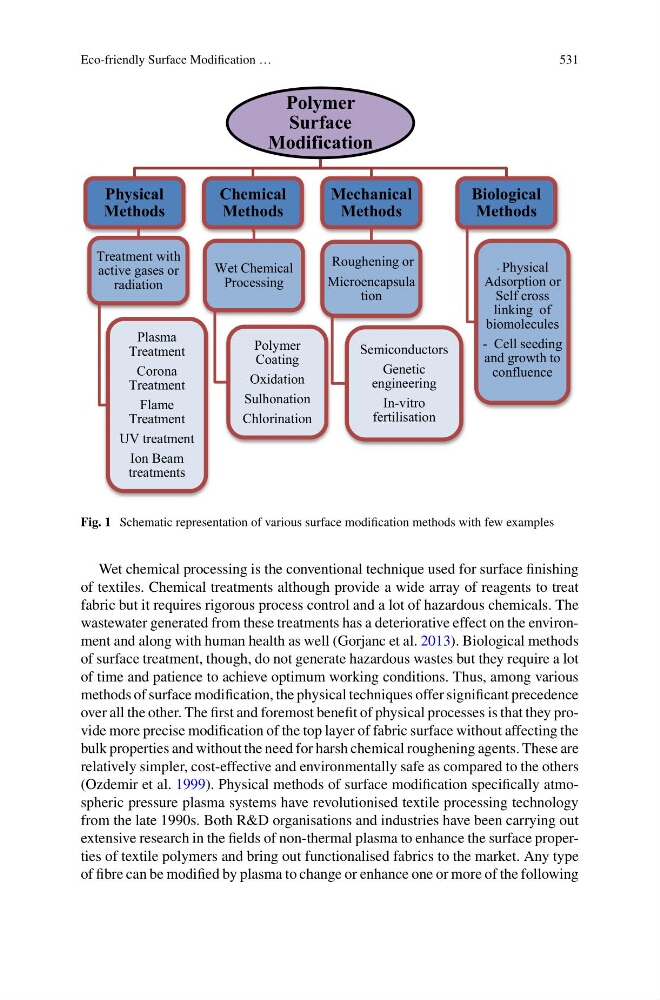
Fig. 1 Schematic representation of various surface modification methods with few examples
Wet chemical processing is the conventional technique used for surface finishing
of textiles. Chemical treatments although provide a wide array of reagents to treat
fabric but it requires rigorous process control and a lot of hazardous chemicals. The
wastewater generated from these treatments has a deteriorative effect on the environment and along with human health as well (Gorjanc et al. 2013). Biological methods
of surface treatment, though, do not generate hazardous wastes but they require a lot
of time and patience to achieve optimum working conditions. Thus, among various
methods of surface modification, the physical techniques offer significant precedence
over all the other. The first and foremost benefit of physical processes is that they provide more precise modification of the top layer of fabric surface without affecting the
bulk properties and without the need for harsh chemical roughening agents. These are
relatively simpler, cost-effective and environmentally safe as compared to the others
(Ozdemir et al. 1999). Physical methods of surface modification specifically atmospheric pressure plasma systems have revolutionised textile processing technology
from the late 1990s. Both R&D organisations and industries have been carrying out
extensive research in the fields of non-thermal plasma to enhance the surface properties of textile polymers and bring out functionalised fabrics to the market. Any type
of fibre can be modified by plasma to change or enhance one or more of the following
531
Polymer
Surface
Modification
Physical
Methods
Treatment with
active gases or
radiation
Plasma
Treatment
Corona
Treatment
Flame
Treatment
UV treatment
Ion Beam
treatments
Chemical
Methods
Wet Chemical
Processing
Polymer
Coating
Oxidation
Sulhonation
Chlorination
Mechanical
Methods
Roughening or
Microencapsula
tion
Semiconductors
Genetic
engineering
In-vitro
fertilisation
Biological
Methods
- Physical
Adsorption or
Self cross
linking of
biomolecules
- Cell seeding
and growth to
confluence
Fig. 1 Schematic representation of various surface modification methods with few examples
Wet chemical processing is the conventional technique used for surface finishing
of textiles. Chemical treatments although provide a wide array of reagents to treat
fabric but it requires rigorous process control and a lot of hazardous chemicals. The
wastewater generated from these treatments has a deteriorative effect on the environment and along with human health as well (Gorjanc et al. 2013). Biological methods
of surface treatment, though, do not generate hazardous wastes but they require a lot
of time and patience to achieve optimum working conditions. Thus, among various
methods of surface modification, the physical techniques offer significant precedence
over all the other. The first and foremost benefit of physical processes is that they provide more precise modification of the top layer of fabric surface without affecting the
bulk properties and without the need for harsh chemical roughening agents. These are
relatively simpler, cost-effective and environmentally safe as compared to the others
(Ozdemir et al. 1999). Physical methods of surface modification specifically atmospheric pressure plasma systems have revolutionised textile processing technology
from the late 1990s. Both R&D organisations and industries have been carrying out
extensive research in the fields of non-thermal plasma to enhance the surface properties of textile polymers and bring out functionalised fabrics to the market. Any type
of fibre can be modified by plasma to change or enhance one or more of the following