

Interaction of Nanoparticles with Reservoir Fluids and Rocks …
319
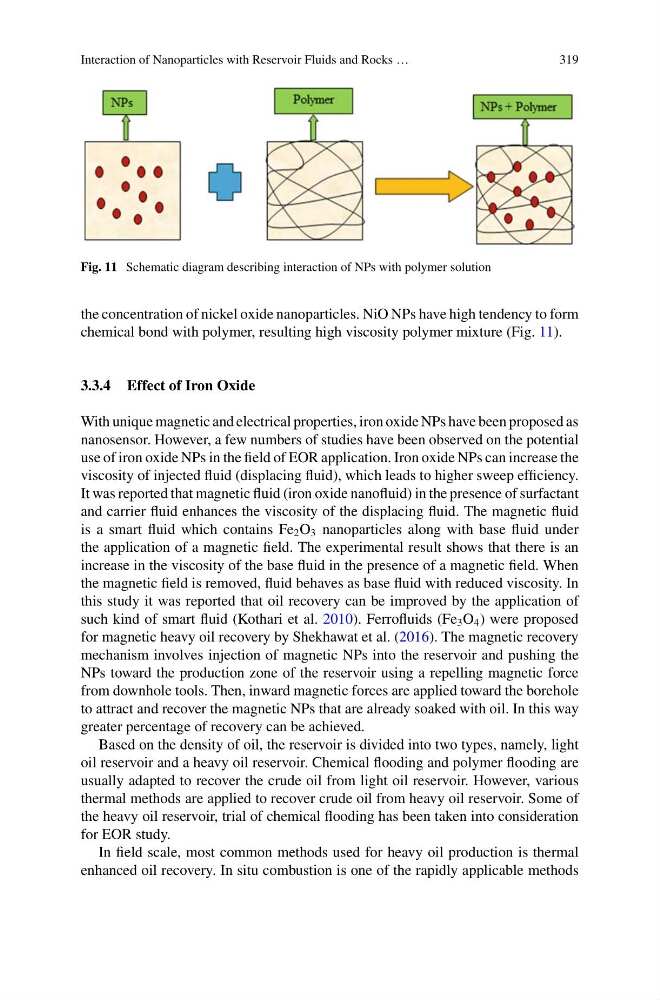
Fig. 11 Schematic diagram describing interaction of NPs with polymer solution
the concentration of nickel oxide nanoparticles. NiO NPs have high tendency to form
chemical bond with polymer, resulting high viscosity polymer mixture (Fig. 11).
3.3.4 Effect of Iron Oxide
With unique magnetic and electrical properties, iron oxide NPs have been proposed as
nanosensor. However, a few numbers of studies have been observed on the potential
use of iron oxide NPs in the field of EOR application. Iron oxide NPs can increase the
viscosity of injected fluid (displacing fluid), which leads to higher sweep efficiency.
It was reported that magnetic fluid (iron oxide nanofluid) in the presence of surfactant
and carrier fluid enhances the viscosity of the displacing fluid. The magnetic fluid
is a smart fluid which contains Fe 2 O 3 nanoparticles along with base fluid under
the application of a magnetic field. The experimental result shows that there is an
increase in the viscosity of the base fluid in the presence of a magnetic field. When
the magnetic field is removed, fluid behaves as base fluid with reduced viscosity. In
this study it was reported that oil recovery can be improved by the application of
such kind of smart fluid (Kothari et al. 2010). Ferrofluids (Fe 3 O 4 ) were proposed
for magnetic heavy oil recovery by Shekhawat et al. (2016). The magnetic recovery
mechanism involves injection of magnetic NPs into the reservoir and pushing the
NPs toward the production zone of the reservoir using a repelling magnetic force
from downhole tools. Then, inward magnetic forces are applied toward the borehole
to attract and recover the magnetic NPs that are already soaked with oil. In this way
greater percentage of recovery can be achieved.
Based on the density of oil, the reservoir is divided into two types, namely, light
oil reservoir and a heavy oil reservoir. Chemical flooding and polymer flooding are
usually adapted to recover the crude oil from light oil reservoir. However, various
thermal methods are applied to recover crude oil from heavy oil reservoir. Some of
the heavy oil reservoir, trial of chemical flooding has been taken into consideration
for EOR study.
In field scale, most common methods used for heavy oil production is thermal
enhanced oil recovery. In situ combustion is one of the rapidly applicable methods
319
Fig. 11 Schematic diagram describing interaction of NPs with polymer solution
the concentration of nickel oxide nanoparticles. NiO NPs have high tendency to form
chemical bond with polymer, resulting high viscosity polymer mixture (Fig. 11).
3.3.4 Effect of Iron Oxide
With unique magnetic and electrical properties, iron oxide NPs have been proposed as
nanosensor. However, a few numbers of studies have been observed on the potential
use of iron oxide NPs in the field of EOR application. Iron oxide NPs can increase the
viscosity of injected fluid (displacing fluid), which leads to higher sweep efficiency.
It was reported that magnetic fluid (iron oxide nanofluid) in the presence of surfactant
and carrier fluid enhances the viscosity of the displacing fluid. The magnetic fluid
is a smart fluid which contains Fe 2 O 3 nanoparticles along with base fluid under
the application of a magnetic field. The experimental result shows that there is an
increase in the viscosity of the base fluid in the presence of a magnetic field. When
the magnetic field is removed, fluid behaves as base fluid with reduced viscosity. In
this study it was reported that oil recovery can be improved by the application of
such kind of smart fluid (Kothari et al. 2010). Ferrofluids (Fe 3 O 4 ) were proposed
for magnetic heavy oil recovery by Shekhawat et al. (2016). The magnetic recovery
mechanism involves injection of magnetic NPs into the reservoir and pushing the
NPs toward the production zone of the reservoir using a repelling magnetic force
from downhole tools. Then, inward magnetic forces are applied toward the borehole
to attract and recover the magnetic NPs that are already soaked with oil. In this way
greater percentage of recovery can be achieved.
Based on the density of oil, the reservoir is divided into two types, namely, light
oil reservoir and a heavy oil reservoir. Chemical flooding and polymer flooding are
usually adapted to recover the crude oil from light oil reservoir. However, various
thermal methods are applied to recover crude oil from heavy oil reservoir. Some of
the heavy oil reservoir, trial of chemical flooding has been taken into consideration
for EOR study.
In field scale, most common methods used for heavy oil production is thermal
enhanced oil recovery. In situ combustion is one of the rapidly applicable methods