

314
U. S. Behera and J. S. Sangwai
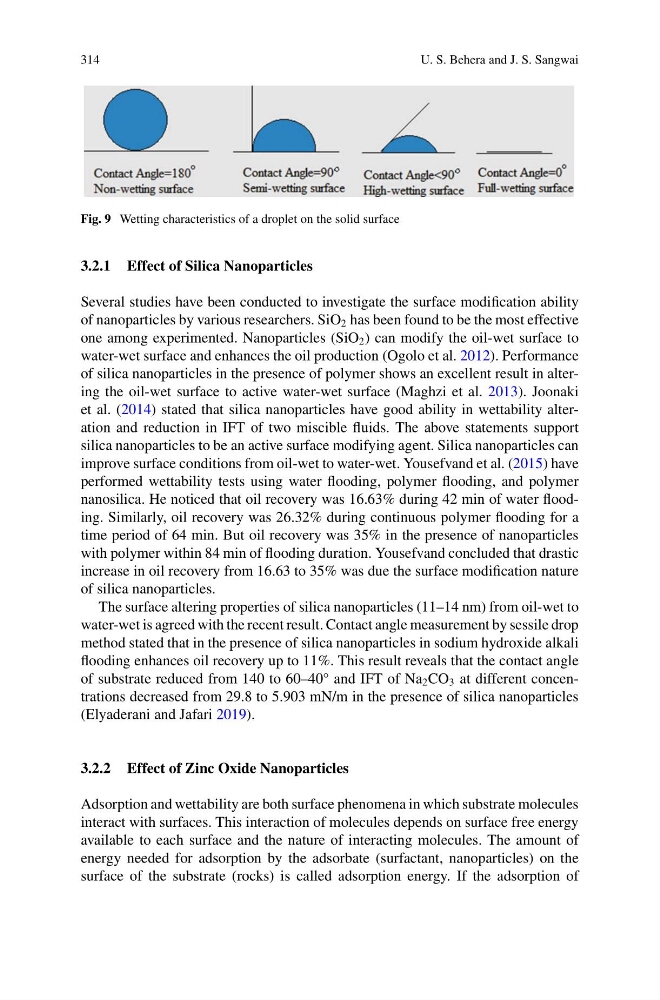
Fig. 9 Wetting characteristics of a droplet on the solid surface
3.2.1 Effect of Silica Nanoparticles
Several studies have been conducted to investigate the surface modification ability
of nanoparticles by various researchers. SiO 2 has been found to be the most effective
one among experimented. Nanoparticles (SiO 2 ) can modify the oil-wet surface to
water-wet surface and enhances the oil production (Ogolo et al. 2012). Performance
of silica nanoparticles in the presence of polymer shows an excellent result in altering the oil-wet surface to active water-wet surface (Maghzi et al. 2013). Joonaki
et al. (2014) stated that silica nanoparticles have good ability in wettability alteration and reduction in IFT of two miscible fluids. The above statements support
silica nanoparticles to be an active surface modifying agent. Silica nanoparticles can
improve surface conditions from oil-wet to water-wet. Yousefvand et al. (2015) have
performed wettability tests using water flooding, polymer flooding, and polymer
nanosilica. He noticed that oil recovery was 16.63% during 42 min of water flooding. Similarly, oil recovery was 26.32% during continuous polymer flooding for a
time period of 64 min. But oil recovery was 35% in the presence of nanoparticles
with polymer within 84 min of flooding duration. Yousefvand concluded that drastic
increase in oil recovery from 16.63 to 35% was due the surface modification nature
of silica nanoparticles.
The surface altering properties of silica nanoparticles (11–14 nm) from oil-wet to
water-wet is agreed with the recent result. Contact angle measurement by sessile drop
method stated that in the presence of silica nanoparticles in sodium hydroxide alkali
flooding enhances oil recovery up to 11%. This result reveals that the contact angle
of substrate reduced from 140 to 60–40° and IFT of Na 2 CO 3 at different concentrations decreased from 29.8 to 5.903 mN/m in the presence of silica nanoparticles
(Elyaderani and Jafari 2019).
3.2.2 Effect of Zinc Oxide Nanoparticles
Adsorption and wettability are both surface phenomena in which substrate molecules
interact with surfaces. This interaction of molecules depends on surface free energy
available to each surface and the nature of interacting molecules. The amount of
energy needed for adsorption by the adsorbate (surfactant, nanoparticles) on the
surface of the substrate (rocks) is called adsorption energy. If the adsorption of
U. S. Behera and J. S. Sangwai
Fig. 9 Wetting characteristics of a droplet on the solid surface
3.2.1 Effect of Silica Nanoparticles
Several studies have been conducted to investigate the surface modification ability
of nanoparticles by various researchers. SiO 2 has been found to be the most effective
one among experimented. Nanoparticles (SiO 2 ) can modify the oil-wet surface to
water-wet surface and enhances the oil production (Ogolo et al. 2012). Performance
of silica nanoparticles in the presence of polymer shows an excellent result in altering the oil-wet surface to active water-wet surface (Maghzi et al. 2013). Joonaki
et al. (2014) stated that silica nanoparticles have good ability in wettability alteration and reduction in IFT of two miscible fluids. The above statements support
silica nanoparticles to be an active surface modifying agent. Silica nanoparticles can
improve surface conditions from oil-wet to water-wet. Yousefvand et al. (2015) have
performed wettability tests using water flooding, polymer flooding, and polymer
nanosilica. He noticed that oil recovery was 16.63% during 42 min of water flooding. Similarly, oil recovery was 26.32% during continuous polymer flooding for a
time period of 64 min. But oil recovery was 35% in the presence of nanoparticles
with polymer within 84 min of flooding duration. Yousefvand concluded that drastic
increase in oil recovery from 16.63 to 35% was due the surface modification nature
of silica nanoparticles.
The surface altering properties of silica nanoparticles (11–14 nm) from oil-wet to
water-wet is agreed with the recent result. Contact angle measurement by sessile drop
method stated that in the presence of silica nanoparticles in sodium hydroxide alkali
flooding enhances oil recovery up to 11%. This result reveals that the contact angle
of substrate reduced from 140 to 60–40° and IFT of Na 2 CO 3 at different concentrations decreased from 29.8 to 5.903 mN/m in the presence of silica nanoparticles
(Elyaderani and Jafari 2019).
3.2.2 Effect of Zinc Oxide Nanoparticles
Adsorption and wettability are both surface phenomena in which substrate molecules
interact with surfaces. This interaction of molecules depends on surface free energy
available to each surface and the nature of interacting molecules. The amount of
energy needed for adsorption by the adsorbate (surfactant, nanoparticles) on the
surface of the substrate (rocks) is called adsorption energy. If the adsorption of