

Synthesis and Characterization of Nanofluids …
7
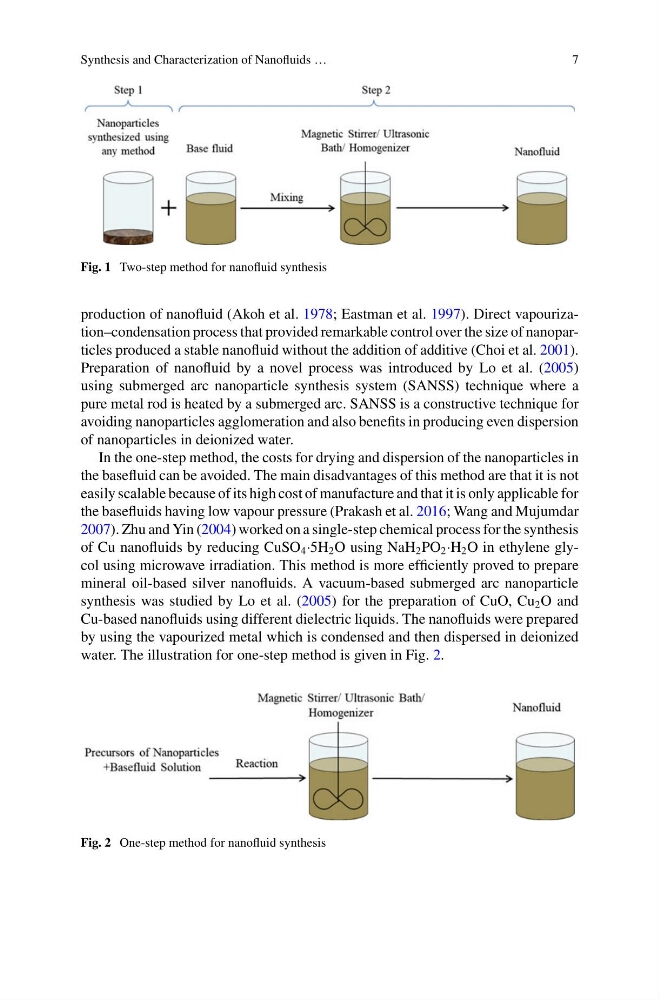
Fig. 1 Two-step method for nanofluid synthesis
production of nanofluid (Akoh et al. 1978; Eastman et al. 1997). Direct vapourization–condensation process that provided remarkable control over the size of nanoparticles produced a stable nanofluid without the addition of additive (Choi et al. 2001).
Preparation of nanofluid by a novel process was introduced by Lo et al. (2005)
using submerged arc nanoparticle synthesis system (SANSS) technique where a
pure metal rod is heated by a submerged arc. SANSS is a constructive technique for
avoiding nanoparticles agglomeration and also benefits in producing even dispersion
of nanoparticles in deionized water.
In the one-step method, the costs for drying and dispersion of the nanoparticles in
the basefluid can be avoided. The main disadvantages of this method are that it is not
easily scalable because of its high cost of manufacture and that it is only applicable for
the basefluids having low vapour pressure (Prakash et al. 2016; Wang and Mujumdar
2007). Zhu and Yin (2004) worked on a single-step chemical process for the synthesis
of Cu nanofluids by reducing CuSO 4 ·5H 2 O using NaH 2 PO 2 ·H 2 O in ethylene glycol using microwave irradiation. This method is more efficiently proved to prepare
mineral oil-based silver nanofluids. A vacuum-based submerged arc nanoparticle
synthesis was studied by Lo et al. (2005) for the preparation of CuO, Cu 2 O and
Cu-based nanofluids using different dielectric liquids. The nanofluids were prepared
by using the vapourized metal which is condensed and then dispersed in deionized
water. The illustration for one-step method is given in Fig. 2.
Fig. 2 One-step method for nanofluid synthesis
7
Fig. 1 Two-step method for nanofluid synthesis
production of nanofluid (Akoh et al. 1978; Eastman et al. 1997). Direct vapourization–condensation process that provided remarkable control over the size of nanoparticles produced a stable nanofluid without the addition of additive (Choi et al. 2001).
Preparation of nanofluid by a novel process was introduced by Lo et al. (2005)
using submerged arc nanoparticle synthesis system (SANSS) technique where a
pure metal rod is heated by a submerged arc. SANSS is a constructive technique for
avoiding nanoparticles agglomeration and also benefits in producing even dispersion
of nanoparticles in deionized water.
In the one-step method, the costs for drying and dispersion of the nanoparticles in
the basefluid can be avoided. The main disadvantages of this method are that it is not
easily scalable because of its high cost of manufacture and that it is only applicable for
the basefluids having low vapour pressure (Prakash et al. 2016; Wang and Mujumdar
2007). Zhu and Yin (2004) worked on a single-step chemical process for the synthesis
of Cu nanofluids by reducing CuSO 4 ·5H 2 O using NaH 2 PO 2 ·H 2 O in ethylene glycol using microwave irradiation. This method is more efficiently proved to prepare
mineral oil-based silver nanofluids. A vacuum-based submerged arc nanoparticle
synthesis was studied by Lo et al. (2005) for the preparation of CuO, Cu 2 O and
Cu-based nanofluids using different dielectric liquids. The nanofluids were prepared
by using the vapourized metal which is condensed and then dispersed in deionized
water. The illustration for one-step method is given in Fig. 2.
Fig. 2 One-step method for nanofluid synthesis