

Interaction of Heavy Crude Oil and Nanoparticles …
237
viscosities of heavy oil and light oils (obtained from various fields in Mexico) at
different temperatures (Ramírez-González 2016).
It is evident that the properties of heavy crudes differ by a large margin when
compared with light crudes. This disparity between the two comes from the fact
that the polar components dominate the oil matrix in heavy oils. The high molecular
weight structure of asphaltenes and resins associate themselves with the oil which
causes them to become viscous and dense in nature. In many instances at cracking
temperatures, even heavy oils with lower asphaltene content can display asphaltene
deposition whereas high asphaltene content oils exhibit a lower amount of deposition. This might happen due to the temperature affecting the asphaltene structure to
a certain extent which allows deposition. Since these heavy oils are complex fluids,
an accurate estimate of their behaviour is of questionable nature. These oils exhibit
viscoelastic behaviour which is very deterministic of how they behave at high temperatures. Their viscoelastic behaviour can be quantified by observing how they work
under a particular frequency of shear. These properties are characterized by loss and
storage modulus (G
and G
). These are of importance as they define the characteristics of the viscoelastic material which surfaces during deformations by shear. A more
dominant loss modulus (G
) indicates a viscous flow indicating a liquid property of
the fluid, whereas a prominent storage modulus (G
) is indicative of elastic nature
which implies a solid property behaviour.
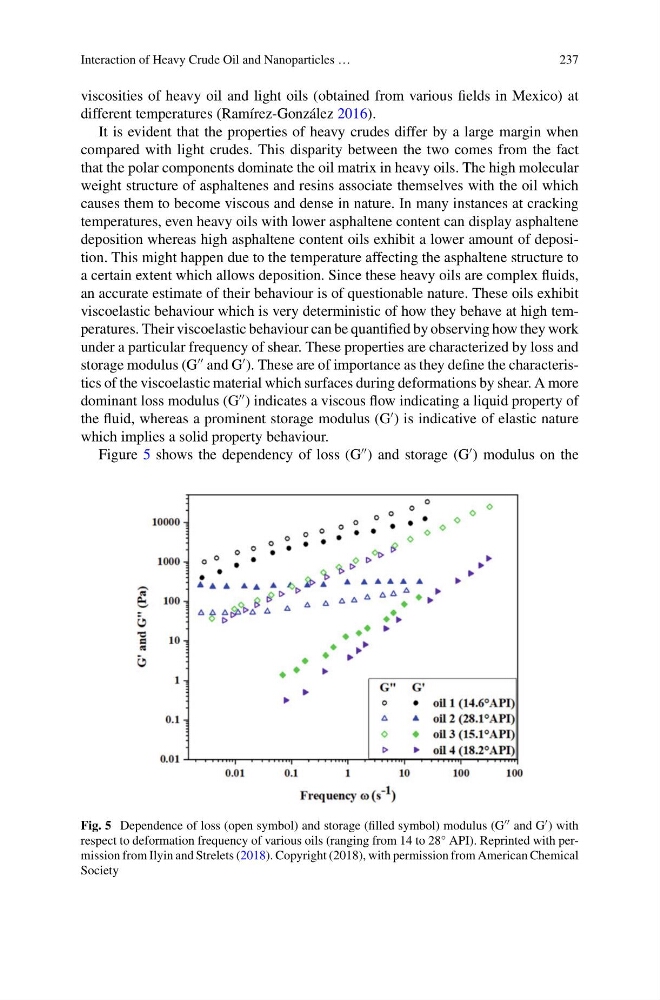
Figure 5 shows the dependency of loss (G
) and storage (G
) modulus on the
Fig. 5 Dependence of loss (open symbol) and storage (filled symbol) modulus (G and G ) with
respect to deformation frequency of various oils (ranging from 14 to 28° API). Reprinted with permission from Ilyin and Strelets (2018). Copyright (2018), with permission from American Chemical
Society
237
viscosities of heavy oil and light oils (obtained from various fields in Mexico) at
different temperatures (Ramírez-González 2016).
It is evident that the properties of heavy crudes differ by a large margin when
compared with light crudes. This disparity between the two comes from the fact
that the polar components dominate the oil matrix in heavy oils. The high molecular
weight structure of asphaltenes and resins associate themselves with the oil which
causes them to become viscous and dense in nature. In many instances at cracking
temperatures, even heavy oils with lower asphaltene content can display asphaltene
deposition whereas high asphaltene content oils exhibit a lower amount of deposition. This might happen due to the temperature affecting the asphaltene structure to
a certain extent which allows deposition. Since these heavy oils are complex fluids,
an accurate estimate of their behaviour is of questionable nature. These oils exhibit
viscoelastic behaviour which is very deterministic of how they behave at high temperatures. Their viscoelastic behaviour can be quantified by observing how they work
under a particular frequency of shear. These properties are characterized by loss and
storage modulus (G
and G
). These are of importance as they define the characteristics of the viscoelastic material which surfaces during deformations by shear. A more
dominant loss modulus (G
) indicates a viscous flow indicating a liquid property of
the fluid, whereas a prominent storage modulus (G
) is indicative of elastic nature
which implies a solid property behaviour.
Figure 5 shows the dependency of loss (G
) and storage (G
) modulus on the
Fig. 5 Dependence of loss (open symbol) and storage (filled symbol) modulus (G and G ) with
respect to deformation frequency of various oils (ranging from 14 to 28° API). Reprinted with permission from Ilyin and Strelets (2018). Copyright (2018), with permission from American Chemical
Society