

120
A. Bagaria and S. Ramakumar
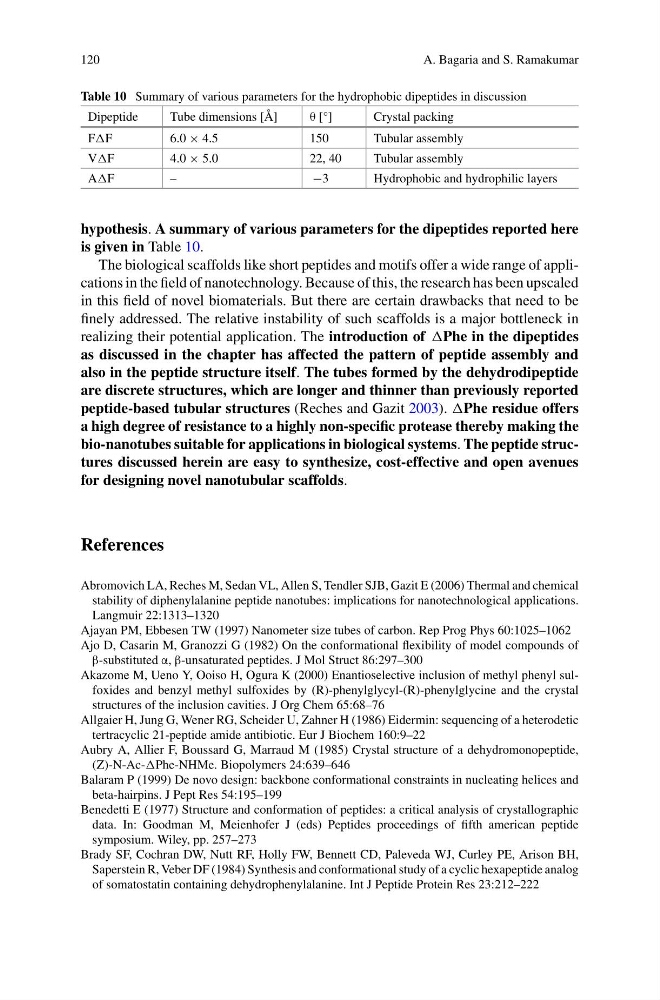
Table 10 Summary of various parameters for the hydrophobic dipeptides in discussion
Dipeptide
Tube dimensions [Å]
θ [°]
Crystal packing
FF
6.0 × 4.5
150
Tubular assembly
VF
4.0 × 5.0
22, 40
Tubular assembly
AF
–
−3
Hydrophobic and hydrophilic layers
hypothesis. A summary of various parameters for the dipeptides reported here
is given in Table 10.
The biological scaffolds like short peptides and motifs offer a wide range of applications in the field of nanotechnology. Because of this, the research has been upscaled
in this field of novel biomaterials. But there are certain drawbacks that need to be
finely addressed. The relative instability of such scaffolds is a major bottleneck in
realizing their potential application. The introduction of Phe in the dipeptides
as discussed in the chapter has affected the pattern of peptide assembly and
also in the peptide structure itself. The tubes formed by the dehydrodipeptide
are discrete structures, which are longer and thinner than previously reported
peptide-based tubular structures (Reches and Gazit 2003). Phe residue offers
a high degree of resistance to a highly non-specific protease thereby making the
bio-nanotubes suitable for applications in biological systems. The peptide structures discussed herein are easy to synthesize, cost-effective and open avenues
for designing novel nanotubular scaffolds.
References
Abromovich LA, Reches M, Sedan VL, Allen S, Tendler SJB, Gazit E (2006) Thermal and chemical
stability of diphenylalanine peptide nanotubes: implications for nanotechnological applications.
Langmuir 22:1313–1320
Ajayan PM, Ebbesen TW (1997) Nanometer size tubes of carbon. Rep Prog Phys 60:1025–1062
Ajo D, Casarin M, Granozzi G (1982) On the conformational flexibility of model compounds of
β-substituted α, β-unsaturated peptides. J Mol Struct 86:297–300
Akazome M, Ueno Y, Ooiso H, Ogura K (2000) Enantioselective inclusion of methyl phenyl sulfoxides and benzyl methyl sulfoxides by (R)-phenylglycyl-(R)-phenylglycine and the crystal
structures of the inclusion cavities. J Org Chem 65:68–76
Allgaier H, Jung G, Wener RG, Scheider U, Zahner H (1986) Eidermin: sequencing of a heterodetic
tertracyclic 21-peptide amide antibiotic. Eur J Biochem 160:9–22
Aubry A, Allier F, Boussard G, Marraud M (1985) Crystal structure of a dehydromonopeptide,
(Z)-N-Ac-Phe-NHMe. Biopolymers 24:639–646
Balaram P (1999) De novo design: backbone conformational constraints in nucleating helices and
beta-hairpins. J Pept Res 54:195–199
Benedetti E (1977) Structure and conformation of peptides: a critical analysis of crystallographic
data. In: Goodman M, Meienhofer J (eds) Peptides proceedings of fifth american peptide
symposium. Wiley, pp. 257–273
Brady SF, Cochran DW, Nutt RF, Holly FW, Bennett CD, Paleveda WJ, Curley PE, Arison BH,
Saperstein R, Veber DF (1984) Synthesis and conformational study of a cyclic hexapeptide analog
of somatostatin containing dehydrophenylalanine. Int J Peptide Protein Res 23:212–222
A. Bagaria and S. Ramakumar
Table 10 Summary of various parameters for the hydrophobic dipeptides in discussion
Dipeptide
Tube dimensions [Å]
θ [°]
Crystal packing
FF
6.0 × 4.5
150
Tubular assembly
VF
4.0 × 5.0
22, 40
Tubular assembly
AF
–
−3
Hydrophobic and hydrophilic layers
hypothesis. A summary of various parameters for the dipeptides reported here
is given in Table 10.
The biological scaffolds like short peptides and motifs offer a wide range of applications in the field of nanotechnology. Because of this, the research has been upscaled
in this field of novel biomaterials. But there are certain drawbacks that need to be
finely addressed. The relative instability of such scaffolds is a major bottleneck in
realizing their potential application. The introduction of Phe in the dipeptides
as discussed in the chapter has affected the pattern of peptide assembly and
also in the peptide structure itself. The tubes formed by the dehydrodipeptide
are discrete structures, which are longer and thinner than previously reported
peptide-based tubular structures (Reches and Gazit 2003). Phe residue offers
a high degree of resistance to a highly non-specific protease thereby making the
bio-nanotubes suitable for applications in biological systems. The peptide structures discussed herein are easy to synthesize, cost-effective and open avenues
for designing novel nanotubular scaffolds.
References
Abromovich LA, Reches M, Sedan VL, Allen S, Tendler SJB, Gazit E (2006) Thermal and chemical
stability of diphenylalanine peptide nanotubes: implications for nanotechnological applications.
Langmuir 22:1313–1320
Ajayan PM, Ebbesen TW (1997) Nanometer size tubes of carbon. Rep Prog Phys 60:1025–1062
Ajo D, Casarin M, Granozzi G (1982) On the conformational flexibility of model compounds of
β-substituted α, β-unsaturated peptides. J Mol Struct 86:297–300
Akazome M, Ueno Y, Ooiso H, Ogura K (2000) Enantioselective inclusion of methyl phenyl sulfoxides and benzyl methyl sulfoxides by (R)-phenylglycyl-(R)-phenylglycine and the crystal
structures of the inclusion cavities. J Org Chem 65:68–76
Allgaier H, Jung G, Wener RG, Scheider U, Zahner H (1986) Eidermin: sequencing of a heterodetic
tertracyclic 21-peptide amide antibiotic. Eur J Biochem 160:9–22
Aubry A, Allier F, Boussard G, Marraud M (1985) Crystal structure of a dehydromonopeptide,
(Z)-N-Ac-Phe-NHMe. Biopolymers 24:639–646
Balaram P (1999) De novo design: backbone conformational constraints in nucleating helices and
beta-hairpins. J Pept Res 54:195–199
Benedetti E (1977) Structure and conformation of peptides: a critical analysis of crystallographic
data. In: Goodman M, Meienhofer J (eds) Peptides proceedings of fifth american peptide
symposium. Wiley, pp. 257–273
Brady SF, Cochran DW, Nutt RF, Holly FW, Bennett CD, Paleveda WJ, Curley PE, Arison BH,
Saperstein R, Veber DF (1984) Synthesis and conformational study of a cyclic hexapeptide analog
of somatostatin containing dehydrophenylalanine. Int J Peptide Protein Res 23:212–222