

Agents in Economic Markets and Games
171
C
C
D
c
d
c , d
d
c
0 0 0 1 0 1 0 1 0 0 0 0 1 0 0 0 1 0 0 1 0
S t a t e 0
S t a t e 1
S t a t e 2
(a) Parent 1.
D
C
D
c
d
c , d
d
c
1 0 0 0 0 0 1 1 0 1 0 0 0 1 0 0 0 1 0 0 1
S t a t e 0
S t a t e 1
S t a t e 2
(b) Parent 2.
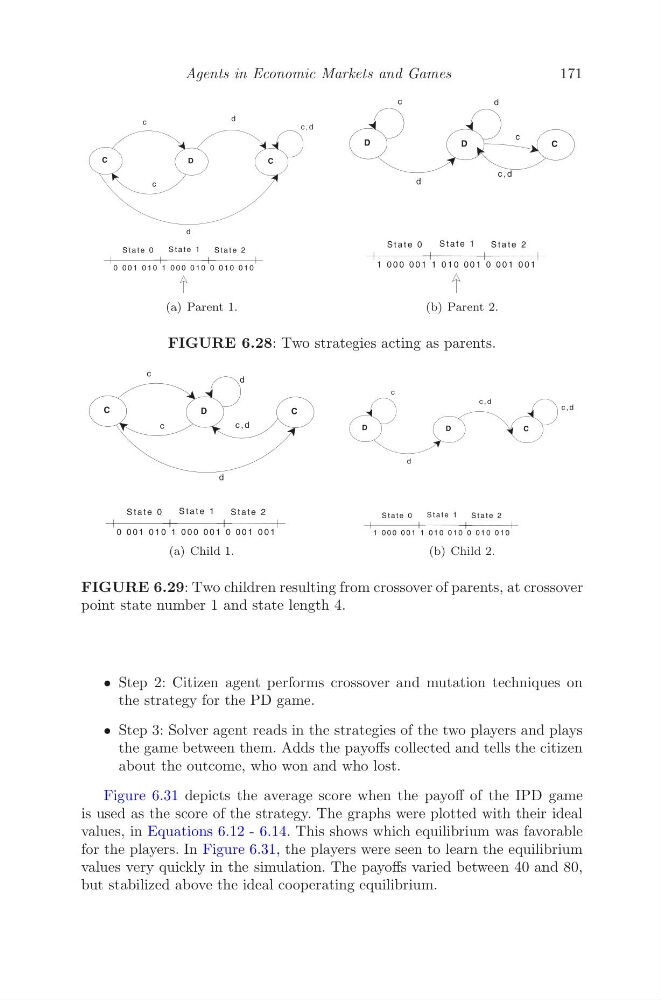
FIGURE 6.28: Two strategies acting as parents.
C
C
D
d
d
0 0 0 1 0 1 0 1 0 0 0 0 0 1 0 0 0 1 0 0 1
S t a t e 0
S t a t e 1
S t a t e 2
c
c
c , d
(a) Child 1.
D
C
D
c
c , d
d
c , d
1 0 0 0 0 0 1 1 0 1 0 0 1 0 0 0 1 0 0 1 0
S t a t e 0
S t a t e 1
S t a t e 2
(b) Child 2.
FIGURE 6.29: Two children resulting from crossover of parents, at crossover
point state number 1 and state length 4.
• Step 2: Citizen agent performs crossover and mutation techniques on
the strategy for the PD game.
• Step 3: Solver agent reads in the strategies of the two players and plays
the game between them. Adds the payoffs collected and tells the citizen
about the outcome, who won and who lost.
Figure 6.31 depicts the average score when the payoff of the IPD game
is used as the score of the strategy. The graphs were plotted with their ideal
values, in Equations 6.12 - 6.14. This shows which equilibrium was favorable
for the players. In Figure 6.31, the players were seen to learn the equilibrium
values very quickly in the simulation. The payoffs varied between 40 and 80,
but stabilized above the ideal cooperating equilibrium.
171
C
C
D
c
d
c , d
d
c
0 0 0 1 0 1 0 1 0 0 0 0 1 0 0 0 1 0 0 1 0
S t a t e 0
S t a t e 1
S t a t e 2
(a) Parent 1.
D
C
D
c
d
c , d
d
c
1 0 0 0 0 0 1 1 0 1 0 0 0 1 0 0 0 1 0 0 1
S t a t e 0
S t a t e 1
S t a t e 2
(b) Parent 2.
FIGURE 6.28: Two strategies acting as parents.
C
C
D
d
d
0 0 0 1 0 1 0 1 0 0 0 0 0 1 0 0 0 1 0 0 1
S t a t e 0
S t a t e 1
S t a t e 2
c
c
c , d
(a) Child 1.
D
C
D
c
c , d
d
c , d
1 0 0 0 0 0 1 1 0 1 0 0 1 0 0 0 1 0 0 1 0
S t a t e 0
S t a t e 1
S t a t e 2
(b) Child 2.
FIGURE 6.29: Two children resulting from crossover of parents, at crossover
point state number 1 and state length 4.
• Step 2: Citizen agent performs crossover and mutation techniques on
the strategy for the PD game.
• Step 3: Solver agent reads in the strategies of the two players and plays
the game between them. Adds the payoffs collected and tells the citizen
about the outcome, who won and who lost.
Figure 6.31 depicts the average score when the payoff of the IPD game
is used as the score of the strategy. The graphs were plotted with their ideal
values, in Equations 6.12 - 6.14. This shows which equilibrium was favorable
for the players. In Figure 6.31, the players were seen to learn the equilibrium
values very quickly in the simulation. The payoffs varied between 40 and 80,
but stabilized above the ideal cooperating equilibrium.