

136
X-Machines for Agent-Based Modeling: FLAME Perspectives
S t r a t e g y b a s e
A
B
C
M a r k e t
F i r m s
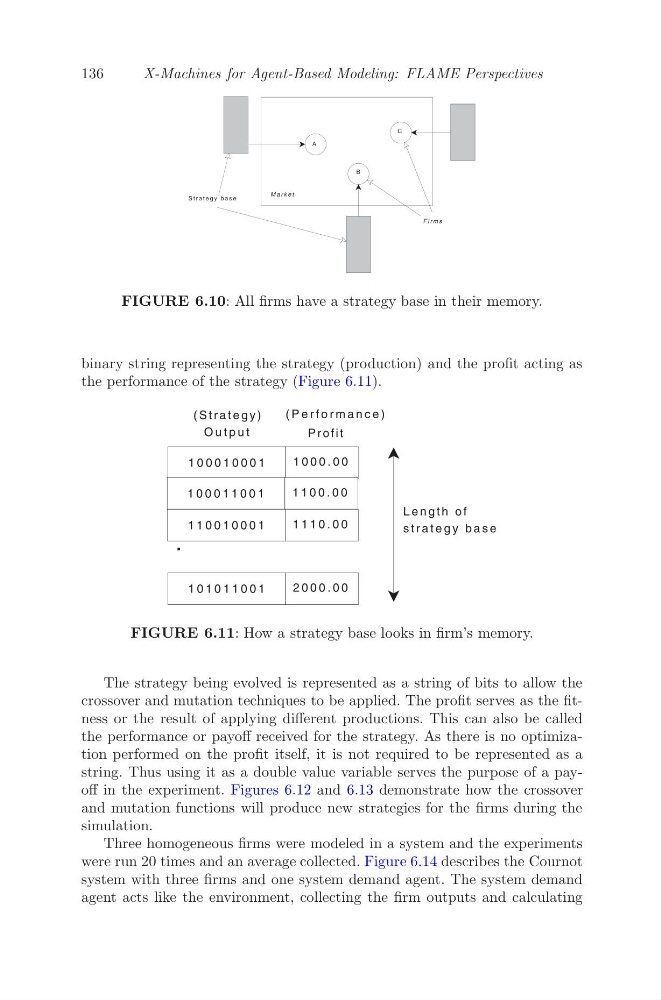
FIGURE 6.10: All firms have a strategy base in their memory.
binary string representing the strategy (production) and the profit acting as
the performance of the strategy (Figure 6.11).
1 0 0 0 1 0 0 0 1
1 0 0 0 . 0 0
O u t p u t
P r o f i t
( S t r a t e g y )
( P e r f o r m a n c e )
1 0 0 0 1 1 0 0 1
1 1 0 0 . 0 0
1 1 0 0 1 0 0 0 1
1 1 1 0 . 0 0
1 0 1 0 1 1 0 0 1
2 0 0 0 . 0 0
.
L e n g t h o f
s t r a t e g y b a s e
FIGURE 6.11: How a strategy base looks in firm’s memory.
The strategy being evolved is represented as a string of bits to allow the
crossover and mutation techniques to be applied. The profit serves as the fitness or the result of applying different productions. This can also be called
the performance or payoff received for the strategy. As there is no optimization performed on the profit itself, it is not required to be represented as a
string. Thus using it as a double value variable serves the purpose of a payoff in the experiment. Figures 6.12 and 6.13 demonstrate how the crossover
and mutation functions will produce new strategies for the firms during the
simulation.
Three homogeneous firms were modeled in a system and the experiments
were run 20 times and an average collected. Figure 6.14 describes the Cournot
system with three firms and one system demand agent. The system demand
agent acts like the environment, collecting the firm outputs and calculating
X-Machines for Agent-Based Modeling: FLAME Perspectives
S t r a t e g y b a s e
A
B
C
M a r k e t
F i r m s
FIGURE 6.10: All firms have a strategy base in their memory.
binary string representing the strategy (production) and the profit acting as
the performance of the strategy (Figure 6.11).
1 0 0 0 1 0 0 0 1
1 0 0 0 . 0 0
O u t p u t
P r o f i t
( S t r a t e g y )
( P e r f o r m a n c e )
1 0 0 0 1 1 0 0 1
1 1 0 0 . 0 0
1 1 0 0 1 0 0 0 1
1 1 1 0 . 0 0
1 0 1 0 1 1 0 0 1
2 0 0 0 . 0 0
.
L e n g t h o f
s t r a t e g y b a s e
FIGURE 6.11: How a strategy base looks in firm’s memory.
The strategy being evolved is represented as a string of bits to allow the
crossover and mutation techniques to be applied. The profit serves as the fitness or the result of applying different productions. This can also be called
the performance or payoff received for the strategy. As there is no optimization performed on the profit itself, it is not required to be represented as a
string. Thus using it as a double value variable serves the purpose of a payoff in the experiment. Figures 6.12 and 6.13 demonstrate how the crossover
and mutation functions will produce new strategies for the firms during the
simulation.
Three homogeneous firms were modeled in a system and the experiments
were run 20 times and an average collected. Figure 6.14 describes the Cournot
system with three firms and one system demand agent. The system demand
agent acts like the environment, collecting the firm outputs and calculating