

156
Chapter 10. Combining directed and signed embeddings
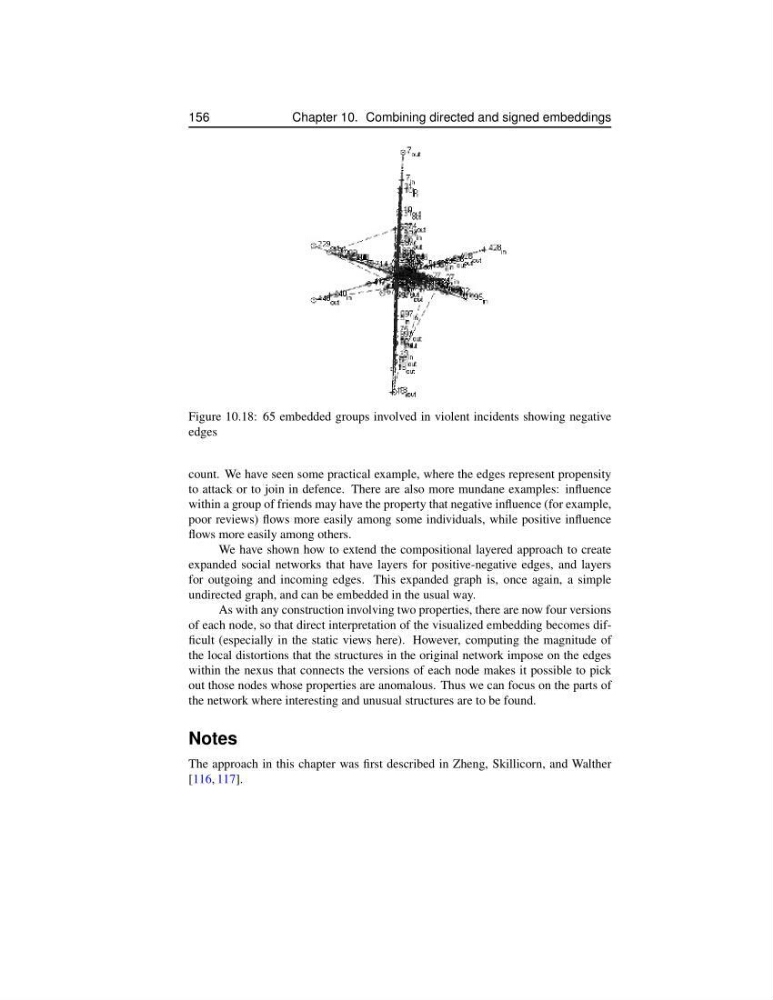
Figure 10.18: 65 embedded groups involved in violent incidents showing negative
edges
count. We have seen some practical example, where the edges represent propensity
to attack or to join in defence. There are also more mundane examples: influence
within a group of friends may have the property that negative influence (for example,
poor reviews) flows more easily among some individuals, while positive influence
flows more easily among others.
We have shown how to extend the compositional layered approach to create
expanded social networks that have layers for positive-negative edges, and layers
for outgoing and incoming edges. This expanded graph is, once again, a simple
undirected graph, and can be embedded in the usual way.
As with any construction involving two properties, there are now four versions
of each node, so that direct interpretation of the visualized embedding becomes difficult (especially in the static views here). However, computing the magnitude of
the local distortions that the structures in the original network impose on the edges
within the nexus that connects the versions of each node makes it possible to pick
out those nodes whose properties are anomalous. Thus we can focus on the parts of
the network where interesting and unusual structures are to be found.
Notes
The approach in this chapter was first described in Zheng, Skillicorn, and Walther
[116, 117].
Chapter 10. Combining directed and signed embeddings
Figure 10.18: 65 embedded groups involved in violent incidents showing negative
edges
count. We have seen some practical example, where the edges represent propensity
to attack or to join in defence. There are also more mundane examples: influence
within a group of friends may have the property that negative influence (for example,
poor reviews) flows more easily among some individuals, while positive influence
flows more easily among others.
We have shown how to extend the compositional layered approach to create
expanded social networks that have layers for positive-negative edges, and layers
for outgoing and incoming edges. This expanded graph is, once again, a simple
undirected graph, and can be embedded in the usual way.
As with any construction involving two properties, there are now four versions
of each node, so that direct interpretation of the visualized embedding becomes difficult (especially in the static views here). However, computing the magnitude of
the local distortions that the structures in the original network impose on the edges
within the nexus that connects the versions of each node makes it possible to pick
out those nodes whose properties are anomalous. Thus we can focus on the parts of
the network where interesting and unusual structures are to be found.
Notes
The approach in this chapter was first described in Zheng, Skillicorn, and Walther
[116, 117].