

220
S. Okumura et al.
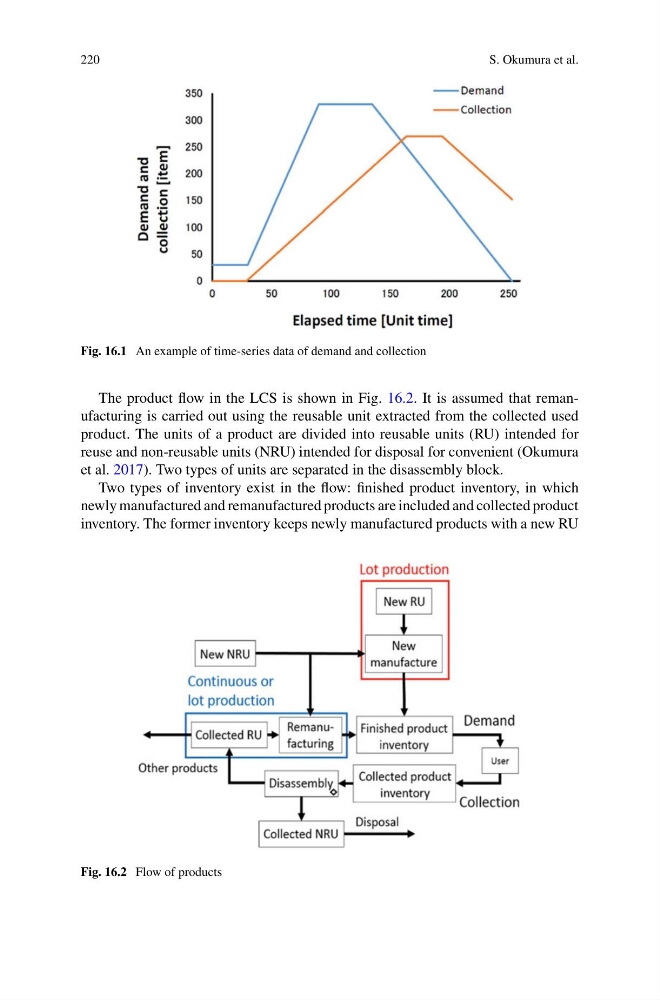
Fig. 16.1 An example of time-series data of demand and collection
The product flow in the LCS is shown in Fig. 16.2. It is assumed that remanufacturing is carried out using the reusable unit extracted from the collected used
product. The units of a product are divided into reusable units (RU) intended for
reuse and non-reusable units (NRU) intended for disposal for convenient (Okumura
et al. 2017). Two types of units are separated in the disassembly block.
Two types of inventory exist in the flow: finished product inventory, in which
newly manufactured and remanufactured products are included and collected product
inventory. The former inventory keeps newly manufactured products with a new RU
Fig. 16.2 Flow of products
S. Okumura et al.
Fig. 16.1 An example of time-series data of demand and collection
The product flow in the LCS is shown in Fig. 16.2. It is assumed that remanufacturing is carried out using the reusable unit extracted from the collected used
product. The units of a product are divided into reusable units (RU) intended for
reuse and non-reusable units (NRU) intended for disposal for convenient (Okumura
et al. 2017). Two types of units are separated in the disassembly block.
Two types of inventory exist in the flow: finished product inventory, in which
newly manufactured and remanufactured products are included and collected product
inventory. The former inventory keeps newly manufactured products with a new RU
Fig. 16.2 Flow of products