

34
Bot and his wife were barefooted; Bot had on shorts and his wife a simple dress.
Sheila and I dressed very casually and while we had shoes with us, we did not wear
them when we approached an Orang Asli family unit. We tried to fit in as best we
could with the people that we were with and who we would be interviewing.
To engage family units, we walked along narrow trails through the forest; we
boated through a narrow tributary or water channels; and we talked to people living
on floating huts. Some of the Orang Asli family units had small, permanent huts
built several feet above ground on top of stilts; some huts were on logs floating on
water; other times, family units occupied a makeshift lean-to of sorts right on the
ground. I was under the impression that some family units had several encampments, depending on season. Mostly, we boated through the area in the skiffs, stopping here and there. Bot would approach a family unit and explain that I wanted to
ask some questions and that we had a small gift for them. (During that time, I
smoked, and in previous meetings with Orang Asli, I learned that they appreciated
a cigarette). Then Bot would motion for us to approach; and if the families were
sitting, we would immediately sit down as well. If the home was a standing structure, we would stand outside unless invited in. If people were standing, I would
crouch down so as not to tower over them (Fig. 20).
We were always made to feel welcome. With each family unit visited, before we
started talking, I would offer the man a cigarette and give him the remaining package (Figs. 21 and 22). Sometimes, when we approached a family unit occupying a
lean-to structure in the forest, the woman would pull her sarong up to cover her bare
breasts. Most times, the women were covered. We would talk and I would ask them
their age, how many children they had, how long they had stayed in the very place
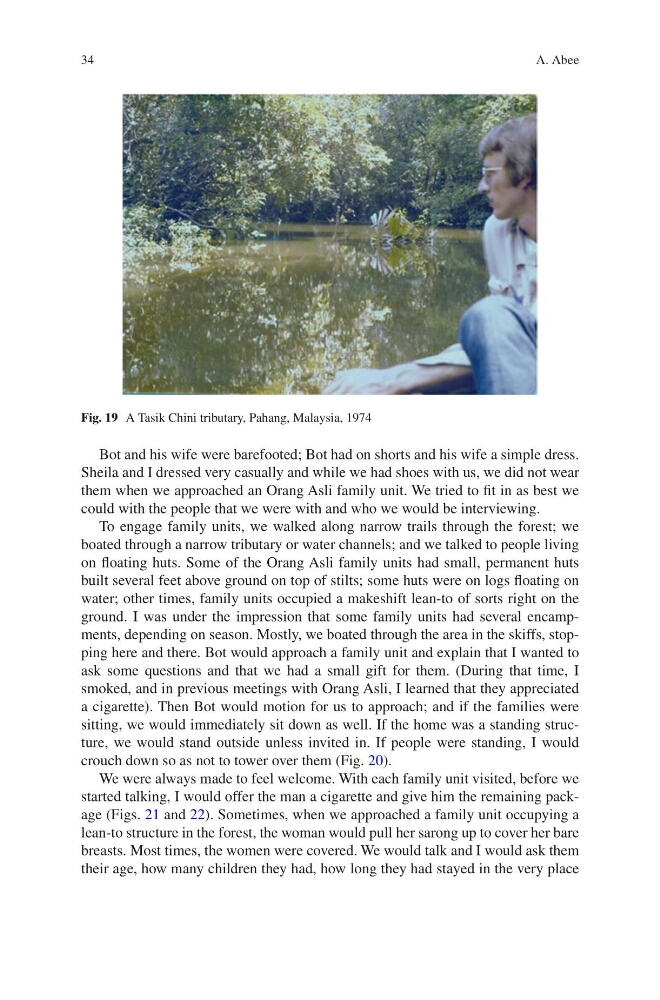
Fig. 19 A Tasik Chini tributary, Pahang, Malaysia, 1974
A. Abee
Bot and his wife were barefooted; Bot had on shorts and his wife a simple dress.
Sheila and I dressed very casually and while we had shoes with us, we did not wear
them when we approached an Orang Asli family unit. We tried to fit in as best we
could with the people that we were with and who we would be interviewing.
To engage family units, we walked along narrow trails through the forest; we
boated through a narrow tributary or water channels; and we talked to people living
on floating huts. Some of the Orang Asli family units had small, permanent huts
built several feet above ground on top of stilts; some huts were on logs floating on
water; other times, family units occupied a makeshift lean-to of sorts right on the
ground. I was under the impression that some family units had several encampments, depending on season. Mostly, we boated through the area in the skiffs, stopping here and there. Bot would approach a family unit and explain that I wanted to
ask some questions and that we had a small gift for them. (During that time, I
smoked, and in previous meetings with Orang Asli, I learned that they appreciated
a cigarette). Then Bot would motion for us to approach; and if the families were
sitting, we would immediately sit down as well. If the home was a standing structure, we would stand outside unless invited in. If people were standing, I would
crouch down so as not to tower over them (Fig. 20).
We were always made to feel welcome. With each family unit visited, before we
started talking, I would offer the man a cigarette and give him the remaining package (Figs. 21 and 22). Sometimes, when we approached a family unit occupying a
lean-to structure in the forest, the woman would pull her sarong up to cover her bare
breasts. Most times, the women were covered. We would talk and I would ask them
their age, how many children they had, how long they had stayed in the very place
Fig. 19 A Tasik Chini tributary, Pahang, Malaysia, 1974
A. Abee