

19
of the oil palm plantations and jobs they created had impressively contributed to the
nation’s economy.
I also wondered how the Orang Asli fared during those last 24 years. Were they
also resilient and did they assimilate into the new reality? Of course, shifting of
cultivation openings in mature forests had occurred in the past, but these quickly
reverted to their original diverse forests. Now, a sea of intensively managed mono
crops dominated the landscape, where the Orang Asli had once roamed and made
their subsistence living.
Currently, there is no such “living” anymore in the new “forested” plantations of
palm oil and rubber trees. I asked myself, what could “we” have done differently to
better protect the river systems and riparian areas of Pahang in general, and the
watershed of Tasik Chini in particular? In the final analysis, does it matter? Yes, I
still think it does!
Conclusion
King Solomon once said there is nothing new under the sun: what has been will be
and what will be has been. What continues to change over time is not the drive to
sustainably meet human needs to ensure respective definitions of well-being, but the
way we characterise our needs, wants and desires. It is the way we approach our
work — sustainable development. However else defined, sustainable development
is an enduring ability to create jobs in rural communities; the availability of commodities to support life functions and aspirations; and a healthy and productive
environment, providing a host of essential features (clean air, clean water, fisheries,
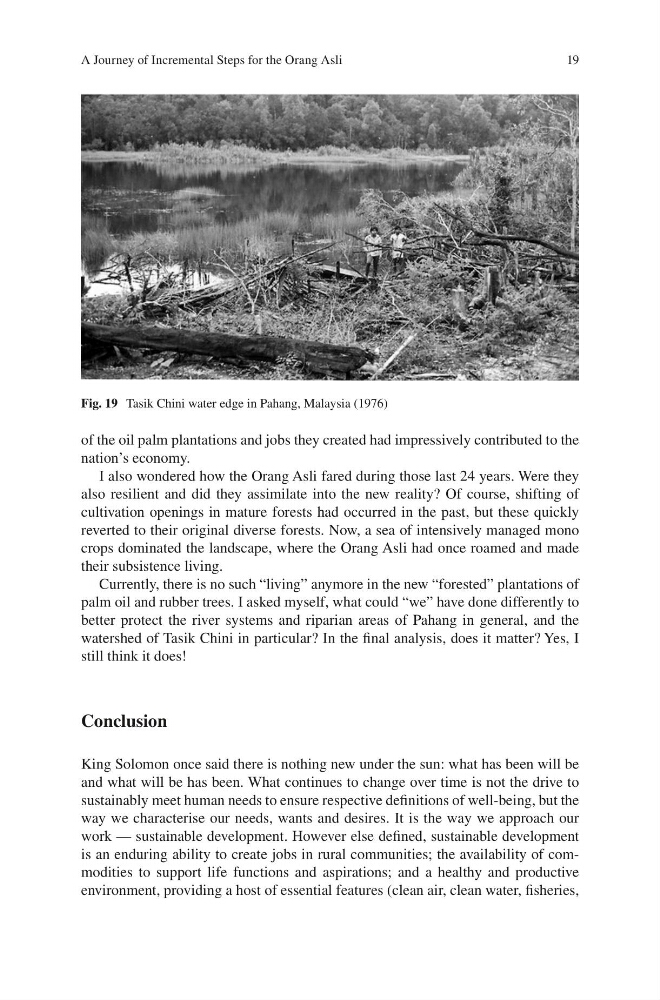
Fig. 19 Tasik Chini water edge in Pahang, Malaysia (1976)
A Journey of Incremental Steps for the Orang Asli
of the oil palm plantations and jobs they created had impressively contributed to the
nation’s economy.
I also wondered how the Orang Asli fared during those last 24 years. Were they
also resilient and did they assimilate into the new reality? Of course, shifting of
cultivation openings in mature forests had occurred in the past, but these quickly
reverted to their original diverse forests. Now, a sea of intensively managed mono
crops dominated the landscape, where the Orang Asli had once roamed and made
their subsistence living.
Currently, there is no such “living” anymore in the new “forested” plantations of
palm oil and rubber trees. I asked myself, what could “we” have done differently to
better protect the river systems and riparian areas of Pahang in general, and the
watershed of Tasik Chini in particular? In the final analysis, does it matter? Yes, I
still think it does!
Conclusion
King Solomon once said there is nothing new under the sun: what has been will be
and what will be has been. What continues to change over time is not the drive to
sustainably meet human needs to ensure respective definitions of well-being, but the
way we characterise our needs, wants and desires. It is the way we approach our
work — sustainable development. However else defined, sustainable development
is an enduring ability to create jobs in rural communities; the availability of commodities to support life functions and aspirations; and a healthy and productive
environment, providing a host of essential features (clean air, clean water, fisheries,
Fig. 19 Tasik Chini water edge in Pahang, Malaysia (1976)
A Journey of Incremental Steps for the Orang Asli