

173
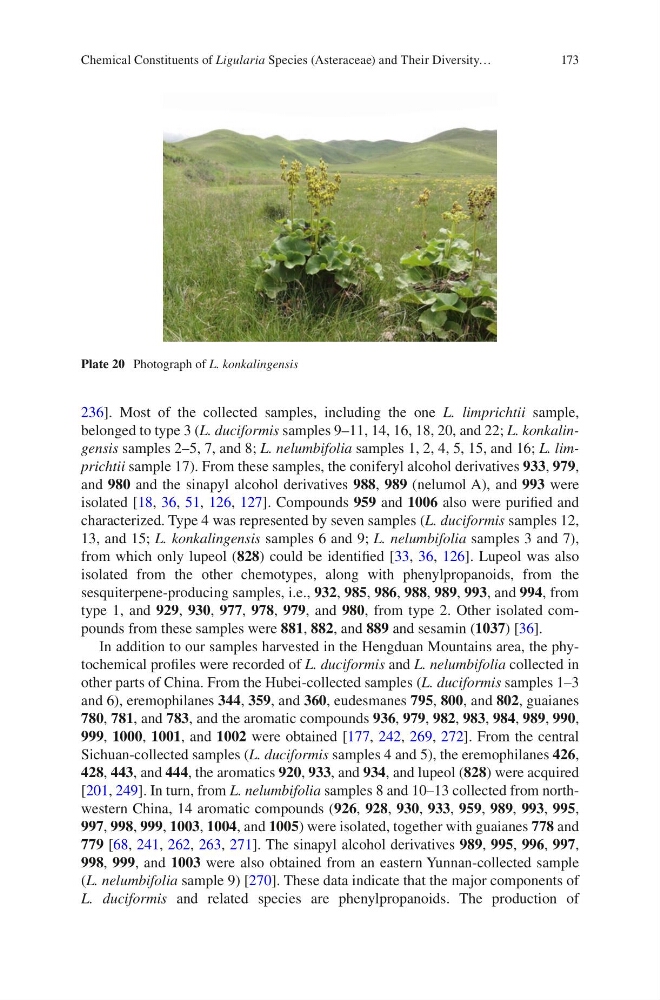
Plate 20 Photograph of L. konkalingensis
236]. Most of the collected samples, including the one L. limprichtii sample,
belonged to type 3 (L. duciformis samples 9–11, 14, 16, 18, 20, and 22; L. konkalingensis samples 2–5, 7, and 8; L. nelumbifolia samples 1, 2, 4, 5, 15, and 16; L. limprichtii sample 17). From these samples, the coniferyl alcohol derivatives 933, 979,
and 980 and the sinapyl alcohol derivatives 988, 989 (nelumol A), and 993 were
isolated [18, 36, 51, 126, 127]. Compounds 959 and 1006 also were purified and
characterized. Type 4 was represented by seven samples (L. duciformis samples 12,
13, and 15; L. konkalingensis samples 6 and 9; L. nelumbifolia samples 3 and 7),
from which only lupeol (828) could be identified [33, 36, 126]. Lupeol was also
isolated from the other chemotypes, along with phenylpropanoids, from the
sesquiterpene- producing samples, i.e., 932, 985, 986, 988, 989, 993, and 994, from
type 1, and 929, 930, 977, 978, 979, and 980, from type 2. Other isolated compounds from these samples were 881, 882, and 889 and sesamin (1037) [36].
In addition to our samples harvested in the Hengduan Mountains area, the phytochemical profiles were recorded of L. duciformis and L. nelumbifolia collected in
other parts of China. From the Hubei-collected samples (L. duciformis samples 1–3
and 6), eremophilanes 344, 359, and 360, eudesmanes 795, 800, and 802, guaianes
780, 781, and 783, and the aromatic compounds 936, 979, 982, 983, 984, 989, 990,
999, 1000, 1001, and 1002 were obtained [177, 242, 269, 272]. From the central
Sichuan-collected samples (L. duciformis samples 4 and 5), the eremophilanes 426,
428, 443, and 444, the aromatics 920, 933, and 934, and lupeol (828) were acquired
[201, 249]. In turn, from L. nelumbifolia samples 8 and 10–13 collected from northwestern China, 14 aromatic compounds (926, 928, 930, 933, 959, 989, 993, 995,
997, 998, 999, 1003, 1004, and 1005) were isolated, together with guaianes 778 and
779 [68, 241, 262, 263, 271]. The sinapyl alcohol derivatives 989, 995, 996, 997,
998, 999, and 1003 were also obtained from an eastern Yunnan-collected sample
(L. nelumbifolia sample 9) [270]. These data indicate that the major components of
L. duciformis and related species are phenylpropanoids. The production of
Chemical Constituents of Ligularia Species (Asteraceae) and Their Diversity…
Plate 20 Photograph of L. konkalingensis
236]. Most of the collected samples, including the one L. limprichtii sample,
belonged to type 3 (L. duciformis samples 9–11, 14, 16, 18, 20, and 22; L. konkalingensis samples 2–5, 7, and 8; L. nelumbifolia samples 1, 2, 4, 5, 15, and 16; L. limprichtii sample 17). From these samples, the coniferyl alcohol derivatives 933, 979,
and 980 and the sinapyl alcohol derivatives 988, 989 (nelumol A), and 993 were
isolated [18, 36, 51, 126, 127]. Compounds 959 and 1006 also were purified and
characterized. Type 4 was represented by seven samples (L. duciformis samples 12,
13, and 15; L. konkalingensis samples 6 and 9; L. nelumbifolia samples 3 and 7),
from which only lupeol (828) could be identified [33, 36, 126]. Lupeol was also
isolated from the other chemotypes, along with phenylpropanoids, from the
sesquiterpene- producing samples, i.e., 932, 985, 986, 988, 989, 993, and 994, from
type 1, and 929, 930, 977, 978, 979, and 980, from type 2. Other isolated compounds from these samples were 881, 882, and 889 and sesamin (1037) [36].
In addition to our samples harvested in the Hengduan Mountains area, the phytochemical profiles were recorded of L. duciformis and L. nelumbifolia collected in
other parts of China. From the Hubei-collected samples (L. duciformis samples 1–3
and 6), eremophilanes 344, 359, and 360, eudesmanes 795, 800, and 802, guaianes
780, 781, and 783, and the aromatic compounds 936, 979, 982, 983, 984, 989, 990,
999, 1000, 1001, and 1002 were obtained [177, 242, 269, 272]. From the central
Sichuan-collected samples (L. duciformis samples 4 and 5), the eremophilanes 426,
428, 443, and 444, the aromatics 920, 933, and 934, and lupeol (828) were acquired
[201, 249]. In turn, from L. nelumbifolia samples 8 and 10–13 collected from northwestern China, 14 aromatic compounds (926, 928, 930, 933, 959, 989, 993, 995,
997, 998, 999, 1003, 1004, and 1005) were isolated, together with guaianes 778 and
779 [68, 241, 262, 263, 271]. The sinapyl alcohol derivatives 989, 995, 996, 997,
998, 999, and 1003 were also obtained from an eastern Yunnan-collected sample
(L. nelumbifolia sample 9) [270]. These data indicate that the major components of
L. duciformis and related species are phenylpropanoids. The production of
Chemical Constituents of Ligularia Species (Asteraceae) and Their Diversity…