

123
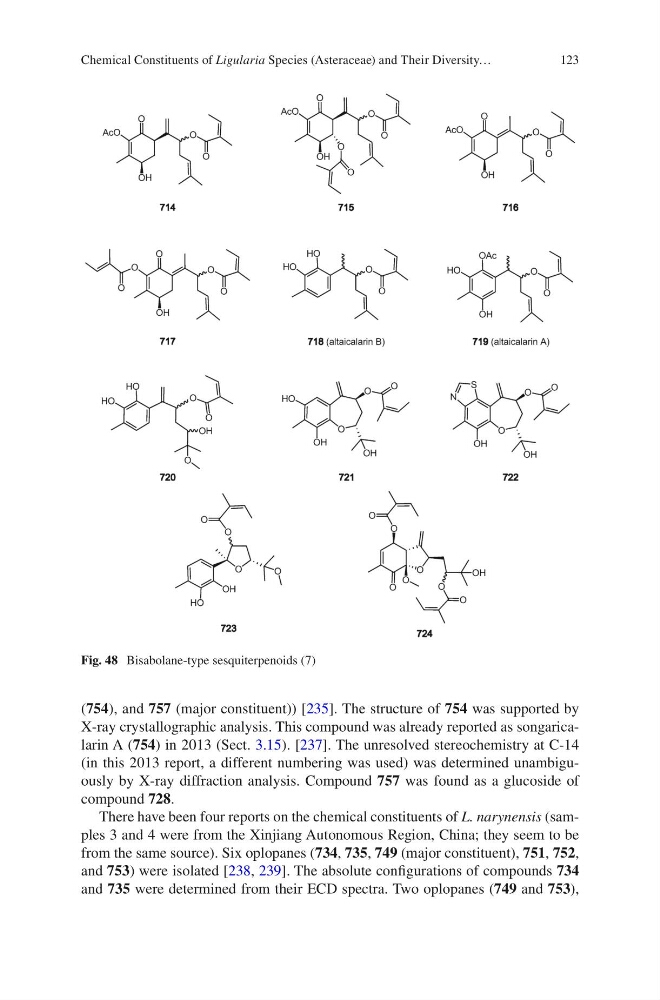
Fig. 48 Bisabolane-type sesquiterpenoids (7)
(754), and 757 (major constituent)) [235]. The structure of 754 was supported by
X-ray crystallographic analysis. This compound was already reported as songaricalarin A (754) in 2013 (Sect. 3.15). [237]. The unresolved stereochemistry at C-14
(in this 2013 report, a different numbering was used) was determined unambiguously by X-ray diffraction analysis. Compound 757 was found as a glucoside of
compound 728.
There have been four reports on the chemical constituents of L. narynensis (samples 3 and 4 were from the Xinjiang Autonomous Region, China; they seem to be
from the same source). Six oplopanes (734, 735, 749 (major constituent), 751, 752,
and 753) were isolated [238, 239]. The absolute configurations of compounds 734
and 735 were determined from their ECD spectra. Two oplopanes (749 and 753),
Chemical Constituents of Ligularia Species (Asteraceae) and Their Diversity…
Fig. 48 Bisabolane-type sesquiterpenoids (7)
(754), and 757 (major constituent)) [235]. The structure of 754 was supported by
X-ray crystallographic analysis. This compound was already reported as songaricalarin A (754) in 2013 (Sect. 3.15). [237]. The unresolved stereochemistry at C-14
(in this 2013 report, a different numbering was used) was determined unambiguously by X-ray diffraction analysis. Compound 757 was found as a glucoside of
compound 728.
There have been four reports on the chemical constituents of L. narynensis (samples 3 and 4 were from the Xinjiang Autonomous Region, China; they seem to be
from the same source). Six oplopanes (734, 735, 749 (major constituent), 751, 752,
and 753) were isolated [238, 239]. The absolute configurations of compounds 734
and 735 were determined from their ECD spectra. Two oplopanes (749 and 753),
Chemical Constituents of Ligularia Species (Asteraceae) and Their Diversity…