

68
M. D. Alba-Rodríguez et al.
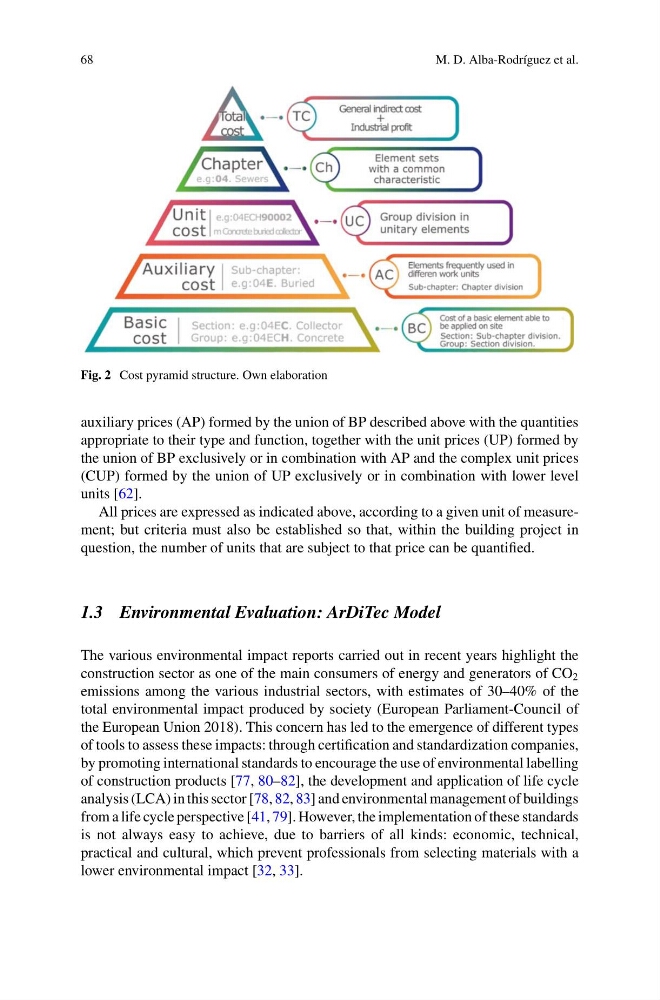
Fig. 2 Cost pyramid structure. Own elaboration
auxiliary prices (AP) formed by the union of BP described above with the quantities
appropriate to their type and function, together with the unit prices (UP) formed by
the union of BP exclusively or in combination with AP and the complex unit prices
(CUP) formed by the union of UP exclusively or in combination with lower level
units [62].
All prices are expressed as indicated above, according to a given unit of measurement; but criteria must also be established so that, within the building project in
question, the number of units that are subject to that price can be quantified.
1.3 Environmental Evaluation: ArDiTec Model
The various environmental impact reports carried out in recent years highlight the
construction sector as one of the main consumers of energy and generators of CO 2
emissions among the various industrial sectors, with estimates of 30–40% of the
total environmental impact produced by society (European Parliament-Council of
the European Union 2018). This concern has led to the emergence of different types
of tools to assess these impacts: through certification and standardization companies,
by promoting international standards to encourage the use of environmental labelling
of construction products [77, 80–82], the development and application of life cycle
analysis (LCA) in this sector [78, 82, 83] and environmental management of buildings
from a life cycle perspective [41, 79]. However, the implementation of these standards
is not always easy to achieve, due to barriers of all kinds: economic, technical,
practical and cultural, which prevent professionals from selecting materials with a
lower environmental impact [32, 33].
M. D. Alba-Rodríguez et al.
Fig. 2 Cost pyramid structure. Own elaboration
auxiliary prices (AP) formed by the union of BP described above with the quantities
appropriate to their type and function, together with the unit prices (UP) formed by
the union of BP exclusively or in combination with AP and the complex unit prices
(CUP) formed by the union of UP exclusively or in combination with lower level
units [62].
All prices are expressed as indicated above, according to a given unit of measurement; but criteria must also be established so that, within the building project in
question, the number of units that are subject to that price can be quantified.
1.3 Environmental Evaluation: ArDiTec Model
The various environmental impact reports carried out in recent years highlight the
construction sector as one of the main consumers of energy and generators of CO 2
emissions among the various industrial sectors, with estimates of 30–40% of the
total environmental impact produced by society (European Parliament-Council of
the European Union 2018). This concern has led to the emergence of different types
of tools to assess these impacts: through certification and standardization companies,
by promoting international standards to encourage the use of environmental labelling
of construction products [77, 80–82], the development and application of life cycle
analysis (LCA) in this sector [78, 82, 83] and environmental management of buildings
from a life cycle perspective [41, 79]. However, the implementation of these standards
is not always easy to achieve, due to barriers of all kinds: economic, technical,
practical and cultural, which prevent professionals from selecting materials with a
lower environmental impact [32, 33].