

the direct discharge of recycling wastewater for horticultural and agricultural usage
and is considered as an impersonating potential threat to the health of the population
(Yapoga et al. 2013). Reverse osmosis, chemical oxidation, coagulationflocculation, filtration, adsorption, photodegradation, and advanced oxidation
methods have been reported for dye decolorization and degradation, but high cost,
generation of high-risk by-products, and high amounts of energy demand, have
restricted the application of these approaches (Joo et al. 2007; Bizani et al. 2006;
Crini 2006). In order to study the physiological mechanisms, research on different
plant species has been carried out on the toxicity of cadmium to HRs. In all these
research studies, HRCs demonstrate an admirable ability to absorb HM cadmium
and to eradicate the contagiousness of this compound (Shi et al. 2012; Subroto et al.
2007; Vinterhalter et al. 2008).
2.2 Phytoremediation of Phenols
HRCs have been investigated for phytoremediation of different kinds of pollutants
like dichlorophenol (a chlorinated by-product of phenol) by Brassica napus
(Agostini et al. 2003), dichloro-diphenyl-trichloroethane (DDT) by B. juncea and
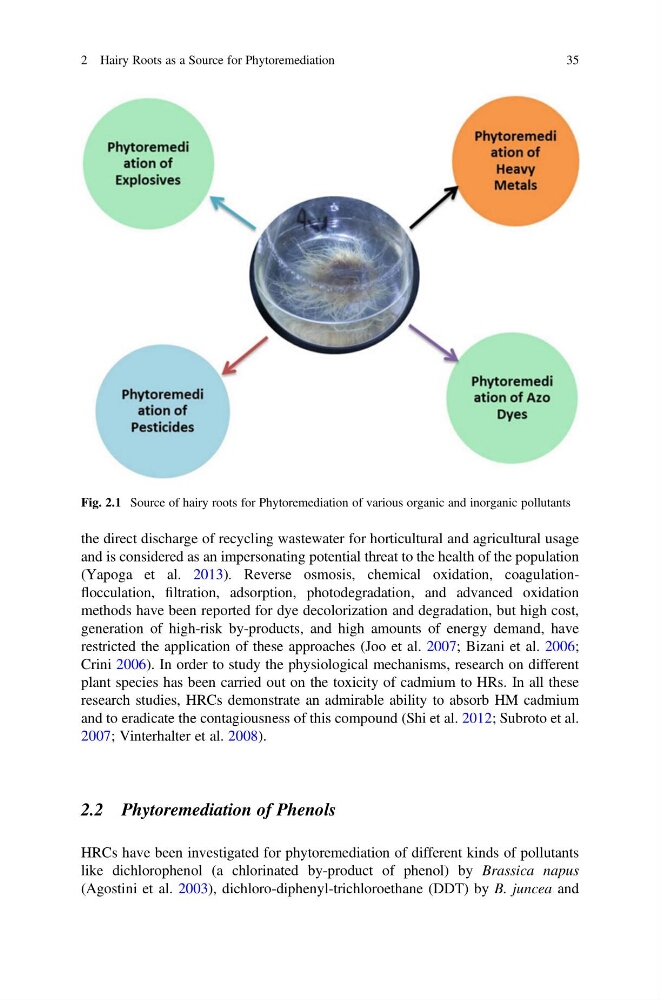
Fig. 2.1 Source of hairy roots for Phytoremediation of various organic and inorganic pollutants
2 Hairy Roots as a Source for Phytoremediation
35
and is considered as an impersonating potential threat to the health of the population
(Yapoga et al. 2013). Reverse osmosis, chemical oxidation, coagulationflocculation, filtration, adsorption, photodegradation, and advanced oxidation
methods have been reported for dye decolorization and degradation, but high cost,
generation of high-risk by-products, and high amounts of energy demand, have
restricted the application of these approaches (Joo et al. 2007; Bizani et al. 2006;
Crini 2006). In order to study the physiological mechanisms, research on different
plant species has been carried out on the toxicity of cadmium to HRs. In all these
research studies, HRCs demonstrate an admirable ability to absorb HM cadmium
and to eradicate the contagiousness of this compound (Shi et al. 2012; Subroto et al.
2007; Vinterhalter et al. 2008).
2.2 Phytoremediation of Phenols
HRCs have been investigated for phytoremediation of different kinds of pollutants
like dichlorophenol (a chlorinated by-product of phenol) by Brassica napus
(Agostini et al. 2003), dichloro-diphenyl-trichloroethane (DDT) by B. juncea and
Fig. 2.1 Source of hairy roots for Phytoremediation of various organic and inorganic pollutants
2 Hairy Roots as a Source for Phytoremediation
35