

the rhizosphere, which is the symbiotic association in roots of the plants and
endophytic nature in roots. Microbes produce metabolites which will help the
plant to grow and are involved in the process of heavy metal removal. Before
producing metabolites, microbes provide the nutrients; by using that, it protects
the plants. Subsequently, rhizo microbes are involved in the bioremediation of
metal-contaminated water areas (Alka et al. 2020).
7.2 Plant Growth-Promoting Bacteria
Plant growth-promoting (PGB) bacteria are also involved in the bioremediation
process through their mutualistic relationship with plants; thus, it accelerates the
plant efficiency (de Andrade et al. 2019). Naturally they can tolerate high As (heavy
metal) contamination, and it will deliver benefits to both the soil and plants. Further
study is needed to clarify changes that occur in bacteria, especially metabolic (the
release of chelators and oxidation/reduction reactions) and physiological changes
(soil pH alteration) which will enhance the phytoremediation progression by increasing the metal bioavailability (Tara et al. 2019). PGPB helps plant growth promotion,
while high levels of metal contamination in soil change mobility and bioavailability
(Rehman et al. 2019; Tara et al. 2019; Yahaghi et al. 2019). PGPB can be categorized in the following ways: 1. free-living bacteria, in mutual relations with the
plants, and 2. endophytic bacteria which can colonize within plants (Soldan et al.
2019). Moreover, PGPB play an important role in improving plant growth under
metal stress by producing substances such as siderophores 1-aminocyclopropane-1carboxylic acid (ACC) deaminase and phytohormones (Alka et al. 2020).
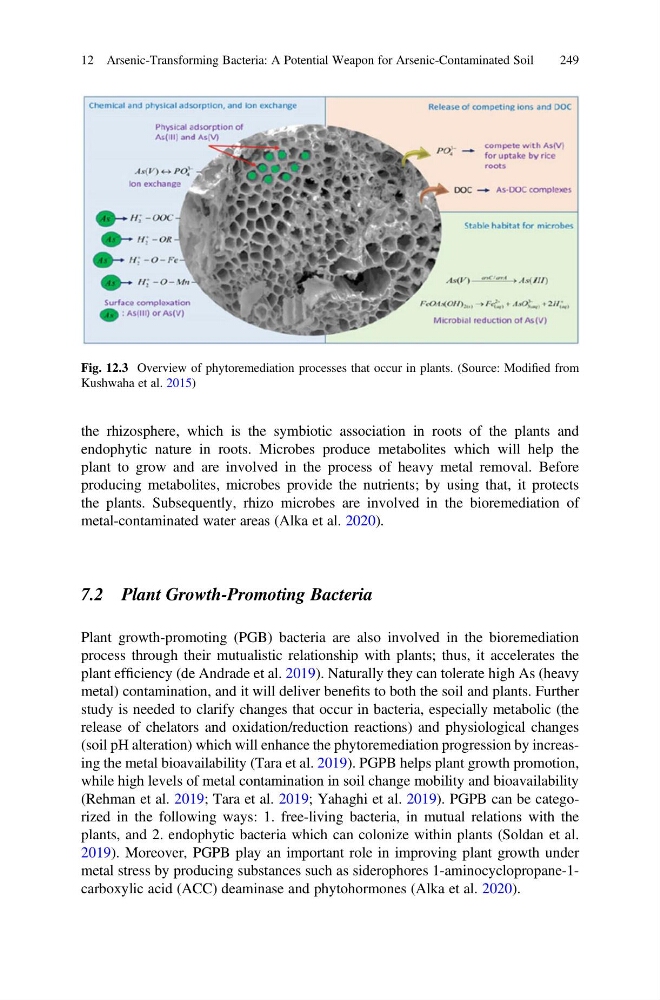
Fig. 12.3 Overview of phytoremediation processes that occur in plants. (Source: Modified from
Kushwaha et al. 2015)
12 Arsenic-Transforming Bacteria: A Potential Weapon for Arsenic-Contaminated Soil
249
endophytic nature in roots. Microbes produce metabolites which will help the
plant to grow and are involved in the process of heavy metal removal. Before
producing metabolites, microbes provide the nutrients; by using that, it protects
the plants. Subsequently, rhizo microbes are involved in the bioremediation of
metal-contaminated water areas (Alka et al. 2020).
7.2 Plant Growth-Promoting Bacteria
Plant growth-promoting (PGB) bacteria are also involved in the bioremediation
process through their mutualistic relationship with plants; thus, it accelerates the
plant efficiency (de Andrade et al. 2019). Naturally they can tolerate high As (heavy
metal) contamination, and it will deliver benefits to both the soil and plants. Further
study is needed to clarify changes that occur in bacteria, especially metabolic (the
release of chelators and oxidation/reduction reactions) and physiological changes
(soil pH alteration) which will enhance the phytoremediation progression by increasing the metal bioavailability (Tara et al. 2019). PGPB helps plant growth promotion,
while high levels of metal contamination in soil change mobility and bioavailability
(Rehman et al. 2019; Tara et al. 2019; Yahaghi et al. 2019). PGPB can be categorized in the following ways: 1. free-living bacteria, in mutual relations with the
plants, and 2. endophytic bacteria which can colonize within plants (Soldan et al.
2019). Moreover, PGPB play an important role in improving plant growth under
metal stress by producing substances such as siderophores 1-aminocyclopropane-1carboxylic acid (ACC) deaminase and phytohormones (Alka et al. 2020).
Fig. 12.3 Overview of phytoremediation processes that occur in plants. (Source: Modified from
Kushwaha et al. 2015)
12 Arsenic-Transforming Bacteria: A Potential Weapon for Arsenic-Contaminated Soil
249