

virus (poliovirus), and parasites are 0.1, 1, and 5 ppm, respectively (Bitton 2014).
Moreover, the microbicide occurs when chlorine interacts with the surface of the
pathogen. The mechanisms by which the disinfection occurs are the damage of cell
surface, oxygen uptake, and oxidative phosphorylation, inhibiting the enzyme activity and physical damage to DNA. According to the WHO, the maximum value for
chlorite in drinking water should not exceed 0.2 mg/L (Twort et al. 2000).
Generally, chlorine is added as a gas (Cl 2 ) and salt (sodium hypochlorite).
Chlorine gas is rapidly hydrolyzed in water to form hypochlorous acid (HOCl),
which further dissociates and generates hypochlorite ion (OCl
À
) according to
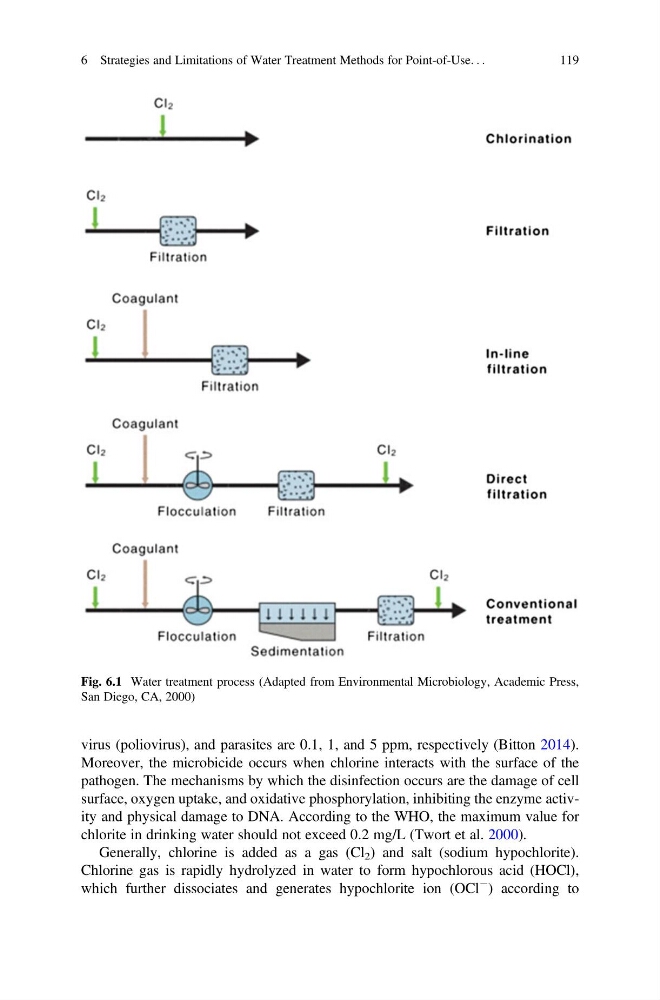
Fig. 6.1 Water treatment process (Adapted from Environmental Microbiology, Academic Press,
San Diego, CA, 2000)
6 Strategies and Limitations of Water Treatment Methods for Point-of-Use. . .
119
Moreover, the microbicide occurs when chlorine interacts with the surface of the
pathogen. The mechanisms by which the disinfection occurs are the damage of cell
surface, oxygen uptake, and oxidative phosphorylation, inhibiting the enzyme activity and physical damage to DNA. According to the WHO, the maximum value for
chlorite in drinking water should not exceed 0.2 mg/L (Twort et al. 2000).
Generally, chlorine is added as a gas (Cl 2 ) and salt (sodium hypochlorite).
Chlorine gas is rapidly hydrolyzed in water to form hypochlorous acid (HOCl),
which further dissociates and generates hypochlorite ion (OCl
À
) according to
Fig. 6.1 Water treatment process (Adapted from Environmental Microbiology, Academic Press,
San Diego, CA, 2000)
6 Strategies and Limitations of Water Treatment Methods for Point-of-Use. . .
119