

37
General Overview
side. All the species lack a cell wall and they have no covering outside the cell membrane; consequently, the shape of the cell can vary with external conditions. They possess both trycocysts and
mucocysts. Dictyochophyceae are naked unicells that bear a single flagellum, anteriorly directed,
with mastigonemes (Figures 1.1ap and 1.51). The class includes the silicoflagellates, a group characterized by formation of a silicified skeleton, and organically scaled members. Phaeophyceae are
multicellular, from branched filaments to massive, and complex parenchymatous kelp (Figures 1.1aq
and 1.52). Flagellated stages possess two flagella usually laterally inserted, one anteriorly and one
posteriorly directed. Cells show an alginate and cellulose wall. Pelagophyceae includes ciliated and
coccoid members; cells can bear a single flagellum anteriorly directed, or two flagella, the second
posteriorly directed (Figure 1.1ar). Bolidophyceae are flagellated picoplanktonic algae, considered
as the closest, although separated lineage to diatoms (Figure 1.1as). Schizocladophyceae contains a
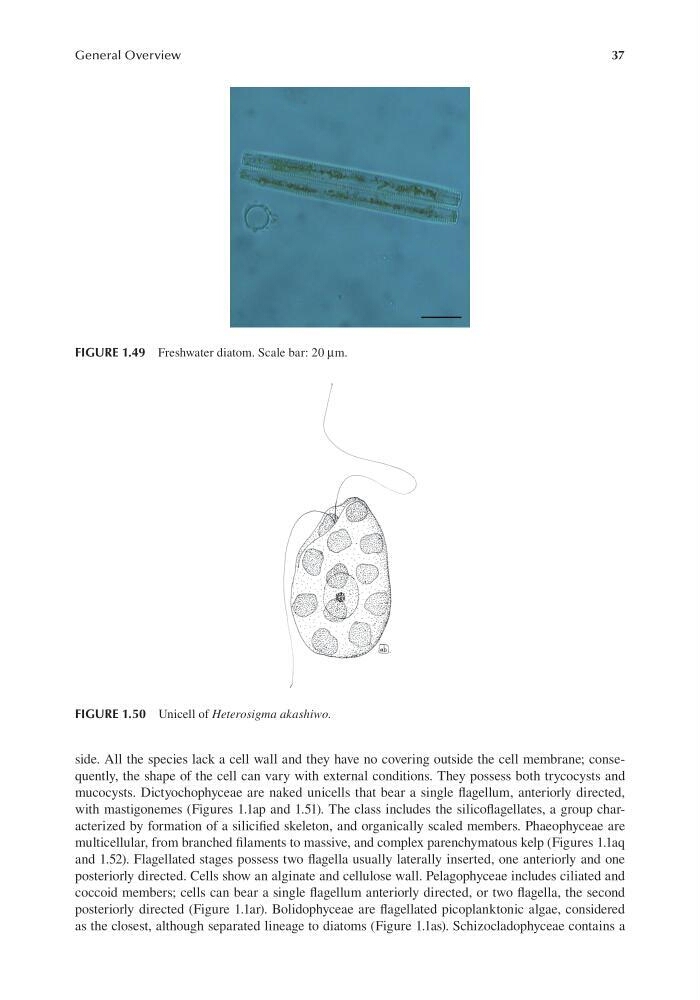
FIGURE 1.49 Freshwater diatom. Scale bar: 20 μm.
FIGURE 1.50 Unicell of Heterosigma akashiwo.
General Overview
side. All the species lack a cell wall and they have no covering outside the cell membrane; consequently, the shape of the cell can vary with external conditions. They possess both trycocysts and
mucocysts. Dictyochophyceae are naked unicells that bear a single flagellum, anteriorly directed,
with mastigonemes (Figures 1.1ap and 1.51). The class includes the silicoflagellates, a group characterized by formation of a silicified skeleton, and organically scaled members. Phaeophyceae are
multicellular, from branched filaments to massive, and complex parenchymatous kelp (Figures 1.1aq
and 1.52). Flagellated stages possess two flagella usually laterally inserted, one anteriorly and one
posteriorly directed. Cells show an alginate and cellulose wall. Pelagophyceae includes ciliated and
coccoid members; cells can bear a single flagellum anteriorly directed, or two flagella, the second
posteriorly directed (Figure 1.1ar). Bolidophyceae are flagellated picoplanktonic algae, considered
as the closest, although separated lineage to diatoms (Figure 1.1as). Schizocladophyceae contains a
FIGURE 1.49 Freshwater diatom. Scale bar: 20 μm.
FIGURE 1.50 Unicell of Heterosigma akashiwo.