

performance of pilot ETS varies (Figs. 15.1 and 15.2). While Shenzhen, Guangdong,
and Hubei are actively trading, stagnation of markets in Tianjin and Chongqing
removes incentives for participation. After initial high prices, the prices of each pilot
remain at relatively low levels (Fig. 15.3); allowance prices in the second period are
low expect for in Beijing. Since liquidity directly affects price, periods during which
transactions are concentrated (Fig. 15.4) often lead to higher risks to market security.
Which lessons learned from pilot ETS can be applied to a nationwide ETS? Due
to different geographical areas, stages of development, and industrial structure of
pilots, different characteristics are exhibited, including the industrial sectors covered
by each scheme and the allocation of allowances. For example, Guangdong adopts
an allowance auction system, and Chongqing implements an allocation model for
self-declaration of participants. These differences provide valuable experience for
the establishment of a unified national market. There are large differences between
regions in China, so the carbon market must be developed based on regional
characteristics. The low liquidity of trading has been a prominent problem during
the pilot period. In particular, pilots have been limited to the province level, and
similarity of participants has led to low tradability, further reflecting the necessity of
establishing a national market. Therefore, based on the outcome of the pilots, the
following should be considered when building the national carbon market: equality
between industries in different regions; efficiency of carbon prices; information
symmetry between central and local governments and between government and
enterprises; the balance of government intervention; and making use of market
mechanisms.
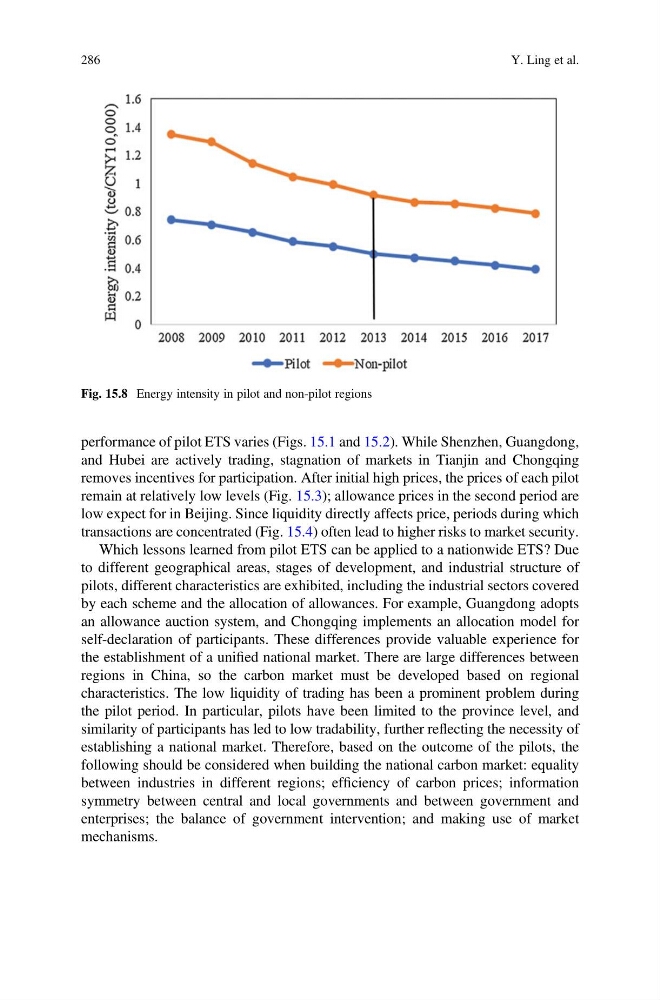
Fig. 15.8 Energy intensity in pilot and non-pilot regions
286
Y. Ling et al.
and Hubei are actively trading, stagnation of markets in Tianjin and Chongqing
removes incentives for participation. After initial high prices, the prices of each pilot
remain at relatively low levels (Fig. 15.3); allowance prices in the second period are
low expect for in Beijing. Since liquidity directly affects price, periods during which
transactions are concentrated (Fig. 15.4) often lead to higher risks to market security.
Which lessons learned from pilot ETS can be applied to a nationwide ETS? Due
to different geographical areas, stages of development, and industrial structure of
pilots, different characteristics are exhibited, including the industrial sectors covered
by each scheme and the allocation of allowances. For example, Guangdong adopts
an allowance auction system, and Chongqing implements an allocation model for
self-declaration of participants. These differences provide valuable experience for
the establishment of a unified national market. There are large differences between
regions in China, so the carbon market must be developed based on regional
characteristics. The low liquidity of trading has been a prominent problem during
the pilot period. In particular, pilots have been limited to the province level, and
similarity of participants has led to low tradability, further reflecting the necessity of
establishing a national market. Therefore, based on the outcome of the pilots, the
following should be considered when building the national carbon market: equality
between industries in different regions; efficiency of carbon prices; information
symmetry between central and local governments and between government and
enterprises; the balance of government intervention; and making use of market
mechanisms.
Fig. 15.8 Energy intensity in pilot and non-pilot regions
286
Y. Ling et al.