

control and processing devices, and the utility grid. Such a system can be beneficial
to both consumers and the energy utility, if system integration is properly
engineered. For the utility, DER can help to avoid concerns about transmission
and distribution upgrades and under certain conditions can provide voltage support
and stabilize the distribution network. Benefits to the customers or end-users include
power quality and reliability, peak shaving, choice, and potentially lower energy
costs.
Compared with a traditional central energy supply, DER can utilize a wide range
of power generators, including biomass-based generators, combustion turbines,
concentrating solar power and PV systems, fuel cells, wind turbines, micro turbines,
diesel generator sets, hybrid systems, and electrical power storage, as well as thermal
recovery technologies. Figure 5.3 gives an overview of the current status of the most
common distributed generation technologies, grouped into thermal and renewable
generation technologies.
CHP refers to the simultaneous production of electricity and heat or cooling at or
near the point of consumption. It provides many benefits compared to separate heat
and power production, including increased energy efficiency, operating cost savings,
and reduced air pollution and contribution to global warming. There are additional
benefits for industry, including increased reliability and power quality and higher
productivity. The electric power industry and its customers can also benefit when
industrial CHP capacity is used to support and optimize the overall power grid.
Conventional power plant systems create a great amount of heat while converting
fuel into electricity. For an average central utility power plant, approximately two
Local energy
production,
conversion,
distribution
Energy
production,
conversion
Local energy production,
conversion, distribution
e.g. hydrogen station
Energy consumption
traffic
Central control
and data
processing
Grid
Local energy consumption
(e.g. a block of buildings)
Single energy consumption
(e.g. building, factory)
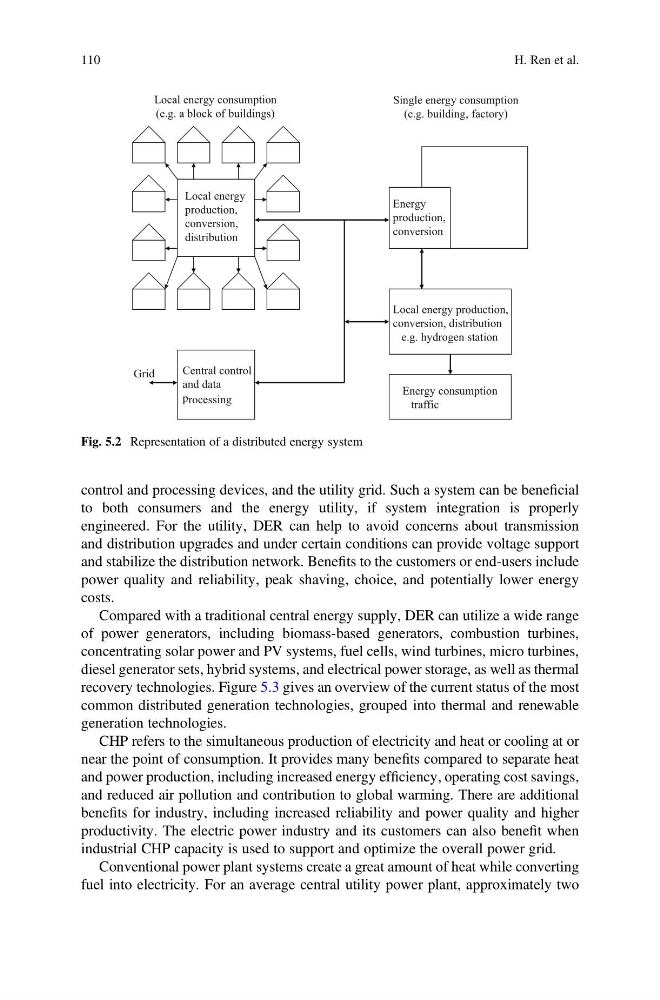
Fig. 5.2 Representation of a distributed energy system
110
H. Ren et al.
to both consumers and the energy utility, if system integration is properly
engineered. For the utility, DER can help to avoid concerns about transmission
and distribution upgrades and under certain conditions can provide voltage support
and stabilize the distribution network. Benefits to the customers or end-users include
power quality and reliability, peak shaving, choice, and potentially lower energy
costs.
Compared with a traditional central energy supply, DER can utilize a wide range
of power generators, including biomass-based generators, combustion turbines,
concentrating solar power and PV systems, fuel cells, wind turbines, micro turbines,
diesel generator sets, hybrid systems, and electrical power storage, as well as thermal
recovery technologies. Figure 5.3 gives an overview of the current status of the most
common distributed generation technologies, grouped into thermal and renewable
generation technologies.
CHP refers to the simultaneous production of electricity and heat or cooling at or
near the point of consumption. It provides many benefits compared to separate heat
and power production, including increased energy efficiency, operating cost savings,
and reduced air pollution and contribution to global warming. There are additional
benefits for industry, including increased reliability and power quality and higher
productivity. The electric power industry and its customers can also benefit when
industrial CHP capacity is used to support and optimize the overall power grid.
Conventional power plant systems create a great amount of heat while converting
fuel into electricity. For an average central utility power plant, approximately two
Local energy
production,
conversion,
distribution
Energy
production,
conversion
Local energy production,
conversion, distribution
e.g. hydrogen station
Energy consumption
traffic
Central control
and data
processing
Grid
Local energy consumption
(e.g. a block of buildings)
Single energy consumption
(e.g. building, factory)
Fig. 5.2 Representation of a distributed energy system
110
H. Ren et al.