

104, 109, 118, 122]. A pretreatment is required to eliminate methanogens because
they consume hydrogen and produce methane.
The potential of mixed cultures from anaerobic and aerobic treatment processes to
produce H 2 during dark fermentation was evaluated extensively. The proportions of
the various trophic groups in different mixed cultures vary widely based on the type
of substrate and the environmental conditions prevailing in the source of the culture
[210]. Moreover, substrate degrading activity varies widely in cultures from different sources under comparable environmental conditions. Compared to inocula such
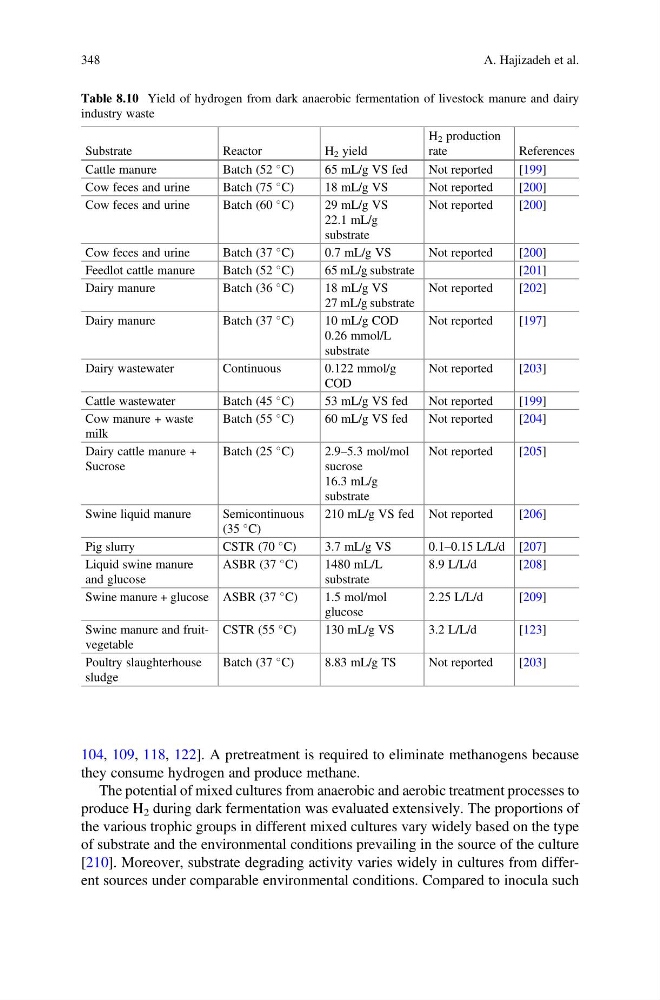
Table 8.10 Yield of hydrogen from dark anaerobic fermentation of livestock manure and dairy
industry waste
Substrate
Reactor
H 2 yield
H 2 production
rate
References
Cattle manure
Batch (52
C)
65 mL/g VS fed
Not reported
[199]
Cow feces and urine
Batch (75
C)
18 mL/g VS
Not reported
[200]
Cow feces and urine
Batch (60
C)
29 mL/g VS
22.1 mL/g
substrate
Not reported
[200]
Cow feces and urine
Batch (37
C)
0.7 mL/g VS
Not reported
[200]
Feedlot cattle manure
Batch (52
C)
65 mL/g substrate
[201]
Dairy manure
Batch (36
C)
18 mL/g VS
27 mL/g substrate
Not reported
[202]
Dairy manure
Batch (37
C)
10 mL/g COD
0.26 mmol/L
substrate
Not reported
[197]
Dairy wastewater
Continuous
0.122 mmol/g
COD
Not reported
[203]
Cattle wastewater
Batch (45
C)
53 mL/g VS fed
Not reported
[199]
Cow manure + waste
milk
Batch (55
C)
60 mL/g VS fed
Not reported
[204]
Dairy cattle manure +
Sucrose
Batch (25
C)
2.9–5.3 mol/mol
sucrose
16.3 mL/g
substrate
Not reported
[205]
Swine liquid manure
Semicontinuous
(35
C)
210 mL/g VS fed Not reported
[206]
Pig slurry
CSTR (70
C)
3.7 mL/g VS
0.1–0.15 L/L/d [207]
Liquid swine manure
and glucose
ASBR (37
C)
1480 mL/L
substrate
8.9 L/L/d
[208]
Swine manure + glucose ASBR (37
C)
1.5 mol/mol
glucose
2.25 L/L/d
[209]
Swine manure and fruitvegetable
CSTR (55
C)
130 mL/g VS
3.2 L/L/d
[123]
Poultry slaughterhouse
sludge
Batch (37
C)
8.83 mL/g TS
Not reported
[203]
348
A. Hajizadeh et al.
they consume hydrogen and produce methane.
The potential of mixed cultures from anaerobic and aerobic treatment processes to
produce H 2 during dark fermentation was evaluated extensively. The proportions of
the various trophic groups in different mixed cultures vary widely based on the type
of substrate and the environmental conditions prevailing in the source of the culture
[210]. Moreover, substrate degrading activity varies widely in cultures from different sources under comparable environmental conditions. Compared to inocula such
Table 8.10 Yield of hydrogen from dark anaerobic fermentation of livestock manure and dairy
industry waste
Substrate
Reactor
H 2 yield
H 2 production
rate
References
Cattle manure
Batch (52
C)
65 mL/g VS fed
Not reported
[199]
Cow feces and urine
Batch (75
C)
18 mL/g VS
Not reported
[200]
Cow feces and urine
Batch (60
C)
29 mL/g VS
22.1 mL/g
substrate
Not reported
[200]
Cow feces and urine
Batch (37
C)
0.7 mL/g VS
Not reported
[200]
Feedlot cattle manure
Batch (52
C)
65 mL/g substrate
[201]
Dairy manure
Batch (36
C)
18 mL/g VS
27 mL/g substrate
Not reported
[202]
Dairy manure
Batch (37
C)
10 mL/g COD
0.26 mmol/L
substrate
Not reported
[197]
Dairy wastewater
Continuous
0.122 mmol/g
COD
Not reported
[203]
Cattle wastewater
Batch (45
C)
53 mL/g VS fed
Not reported
[199]
Cow manure + waste
milk
Batch (55
C)
60 mL/g VS fed
Not reported
[204]
Dairy cattle manure +
Sucrose
Batch (25
C)
2.9–5.3 mol/mol
sucrose
16.3 mL/g
substrate
Not reported
[205]
Swine liquid manure
Semicontinuous
(35
C)
210 mL/g VS fed Not reported
[206]
Pig slurry
CSTR (70
C)
3.7 mL/g VS
0.1–0.15 L/L/d [207]
Liquid swine manure
and glucose
ASBR (37
C)
1480 mL/L
substrate
8.9 L/L/d
[208]
Swine manure + glucose ASBR (37
C)
1.5 mol/mol
glucose
2.25 L/L/d
[209]
Swine manure and fruitvegetable
CSTR (55
C)
130 mL/g VS
3.2 L/L/d
[123]
Poultry slaughterhouse
sludge
Batch (37
C)
8.83 mL/g TS
Not reported
[203]
348
A. Hajizadeh et al.