

46
3 Dietary Intakes of Polyphenols in Selected Vegetables and Fruits
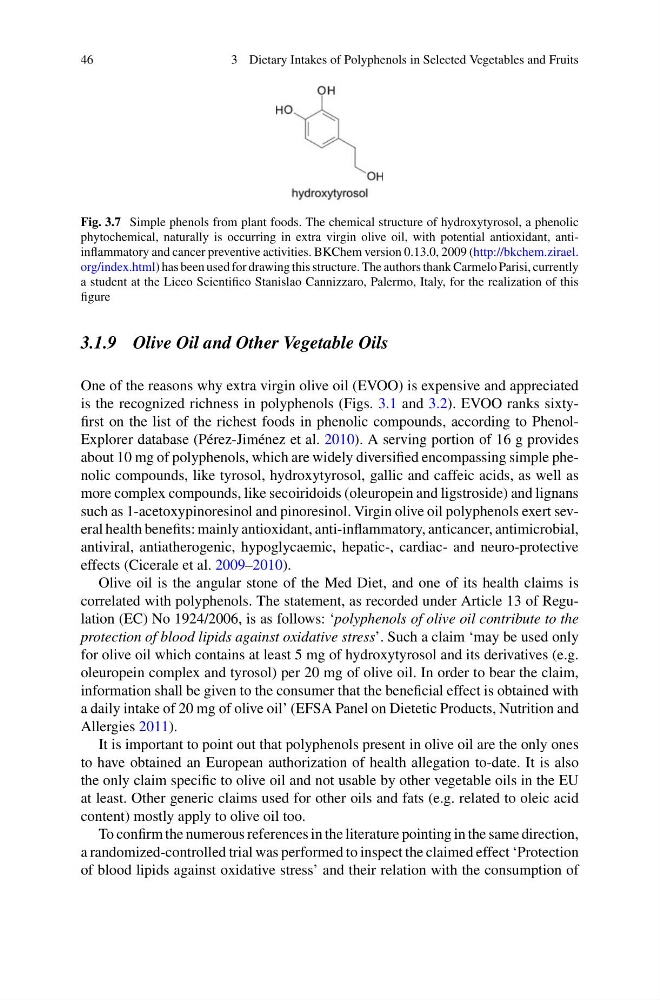
Fig. 3.7 Simple phenols from plant foods. The chemical structure of hydroxytyrosol, a phenolic
phytochemical, naturally is occurring in extra virgin olive oil, with potential antioxidant, antiinflammatory and cancer preventive activities. BKChem version 0.13.0, 2009 (http://bkchem.zirael.
org/index.html) has been used for drawing this structure. The authors thank Carmelo Parisi, currently
a student at the Liceo Scientifico Stanislao Cannizzaro, Palermo, Italy, for the realization of this
figure
3.1.9 Olive Oil and Other Vegetable Oils
One of the reasons why extra virgin olive oil (EVOO) is expensive and appreciated
is the recognized richness in polyphenols (Figs. 3.1 and 3.2). EVOO ranks sixtyfirst on the list of the richest foods in phenolic compounds, according to PhenolExplorer database (Pérez-Jiménez et al. 2010). A serving portion of 16 g provides
about 10 mg of polyphenols, which are widely diversified encompassing simple phenolic compounds, like tyrosol, hydroxytyrosol, gallic and caffeic acids, as well as
more complex compounds, like secoiridoids (oleuropein and ligstroside) and lignans
such as 1-acetoxypinoresinol and pinoresinol. Virgin olive oil polyphenols exert several health benefits: mainly antioxidant, anti-inflammatory, anticancer, antimicrobial,
antiviral, antiatherogenic, hypoglycaemic, hepatic-, cardiac- and neuro-protective
effects (Cicerale et al. 2009–2010).
Olive oil is the angular stone of the Med Diet, and one of its health claims is
correlated with polyphenols. The statement, as recorded under Article 13 of Regulation (EC) No 1924/2006, is as follows: ‘polyphenols of olive oil contribute to the
protection of blood lipids against oxidative stress’. Such a claim ‘may be used only
for olive oil which contains at least 5 mg of hydroxytyrosol and its derivatives (e.g.
oleuropein complex and tyrosol) per 20 mg of olive oil. In order to bear the claim,
information shall be given to the consumer that the beneficial effect is obtained with
a daily intake of 20 mg of olive oil’ (EFSA Panel on Dietetic Products, Nutrition and
Allergies 2011).
It is important to point out that polyphenols present in olive oil are the only ones
to have obtained an European authorization of health allegation to-date. It is also
the only claim specific to olive oil and not usable by other vegetable oils in the EU
at least. Other generic claims used for other oils and fats (e.g. related to oleic acid
content) mostly apply to olive oil too.
To confirm the numerous references in the literature pointing in the same direction,
a randomized-controlled trial was performed to inspect the claimed effect ‘Protection
of blood lipids against oxidative stress’ and their relation with the consumption of
3 Dietary Intakes of Polyphenols in Selected Vegetables and Fruits
Fig. 3.7 Simple phenols from plant foods. The chemical structure of hydroxytyrosol, a phenolic
phytochemical, naturally is occurring in extra virgin olive oil, with potential antioxidant, antiinflammatory and cancer preventive activities. BKChem version 0.13.0, 2009 (http://bkchem.zirael.
org/index.html) has been used for drawing this structure. The authors thank Carmelo Parisi, currently
a student at the Liceo Scientifico Stanislao Cannizzaro, Palermo, Italy, for the realization of this
figure
3.1.9 Olive Oil and Other Vegetable Oils
One of the reasons why extra virgin olive oil (EVOO) is expensive and appreciated
is the recognized richness in polyphenols (Figs. 3.1 and 3.2). EVOO ranks sixtyfirst on the list of the richest foods in phenolic compounds, according to PhenolExplorer database (Pérez-Jiménez et al. 2010). A serving portion of 16 g provides
about 10 mg of polyphenols, which are widely diversified encompassing simple phenolic compounds, like tyrosol, hydroxytyrosol, gallic and caffeic acids, as well as
more complex compounds, like secoiridoids (oleuropein and ligstroside) and lignans
such as 1-acetoxypinoresinol and pinoresinol. Virgin olive oil polyphenols exert several health benefits: mainly antioxidant, anti-inflammatory, anticancer, antimicrobial,
antiviral, antiatherogenic, hypoglycaemic, hepatic-, cardiac- and neuro-protective
effects (Cicerale et al. 2009–2010).
Olive oil is the angular stone of the Med Diet, and one of its health claims is
correlated with polyphenols. The statement, as recorded under Article 13 of Regulation (EC) No 1924/2006, is as follows: ‘polyphenols of olive oil contribute to the
protection of blood lipids against oxidative stress’. Such a claim ‘may be used only
for olive oil which contains at least 5 mg of hydroxytyrosol and its derivatives (e.g.
oleuropein complex and tyrosol) per 20 mg of olive oil. In order to bear the claim,
information shall be given to the consumer that the beneficial effect is obtained with
a daily intake of 20 mg of olive oil’ (EFSA Panel on Dietetic Products, Nutrition and
Allergies 2011).
It is important to point out that polyphenols present in olive oil are the only ones
to have obtained an European authorization of health allegation to-date. It is also
the only claim specific to olive oil and not usable by other vegetable oils in the EU
at least. Other generic claims used for other oils and fats (e.g. related to oleic acid
content) mostly apply to olive oil too.
To confirm the numerous references in the literature pointing in the same direction,
a randomized-controlled trial was performed to inspect the claimed effect ‘Protection
of blood lipids against oxidative stress’ and their relation with the consumption of