

14 Biodiversity Conservation: An Imperial Need …
329
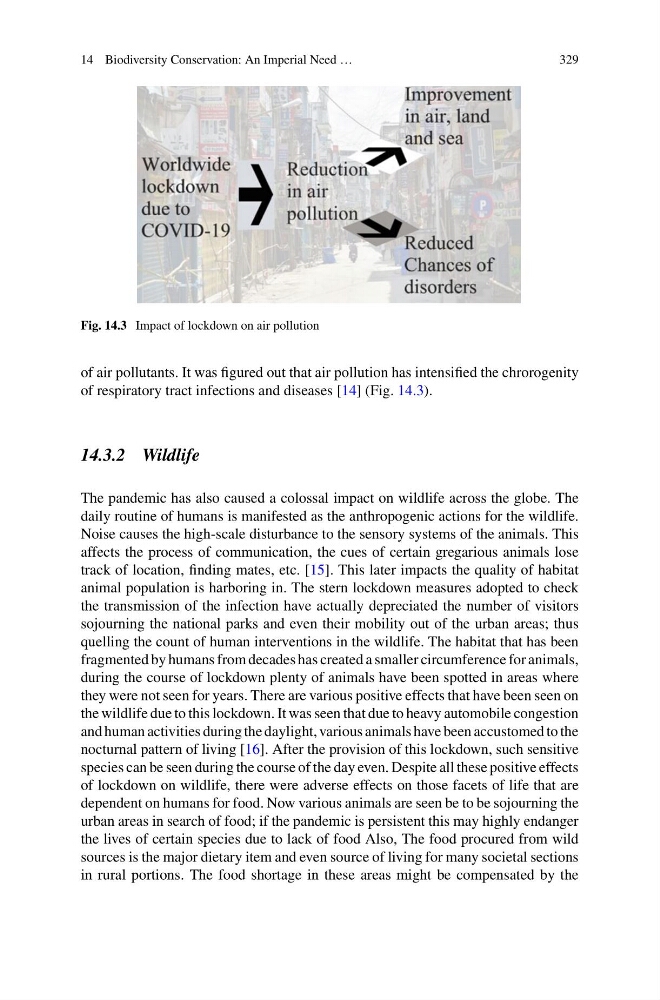
Fig. 14.3 Impact of lockdown on air pollution
of air pollutants. It was figured out that air pollution has intensified the chrorogenity
of respiratory tract infections and diseases [14] (Fig. 14.3).
14.3.2 Wildlife
The pandemic has also caused a colossal impact on wildlife across the globe. The
daily routine of humans is manifested as the anthropogenic actions for the wildlife.
Noise causes the high-scale disturbance to the sensory systems of the animals. This
affects the process of communication, the cues of certain gregarious animals lose
track of location, finding mates, etc. [15]. This later impacts the quality of habitat
animal population is harboring in. The stern lockdown measures adopted to check
the transmission of the infection have actually depreciated the number of visitors
sojourning the national parks and even their mobility out of the urban areas; thus
quelling the count of human interventions in the wildlife. The habitat that has been
fragmented by humans from decades has created a smaller circumference for animals,
during the course of lockdown plenty of animals have been spotted in areas where
they were not seen for years. There are various positive effects that have been seen on
the wildlife due to this lockdown. It was seen that due to heavy automobile congestion
and human activities during the daylight, various animals have been accustomed to the
nocturnal pattern of living [16]. After the provision of this lockdown, such sensitive
species can be seen during the course of the day even. Despite all these positive effects
of lockdown on wildlife, there were adverse effects on those facets of life that are
dependent on humans for food. Now various animals are seen be to be sojourning the
urban areas in search of food; if the pandemic is persistent this may highly endanger
the lives of certain species due to lack of food Also, The food procured from wild
sources is the major dietary item and even source of living for many societal sections
in rural portions. The food shortage in these areas might be compensated by the
329
Fig. 14.3 Impact of lockdown on air pollution
of air pollutants. It was figured out that air pollution has intensified the chrorogenity
of respiratory tract infections and diseases [14] (Fig. 14.3).
14.3.2 Wildlife
The pandemic has also caused a colossal impact on wildlife across the globe. The
daily routine of humans is manifested as the anthropogenic actions for the wildlife.
Noise causes the high-scale disturbance to the sensory systems of the animals. This
affects the process of communication, the cues of certain gregarious animals lose
track of location, finding mates, etc. [15]. This later impacts the quality of habitat
animal population is harboring in. The stern lockdown measures adopted to check
the transmission of the infection have actually depreciated the number of visitors
sojourning the national parks and even their mobility out of the urban areas; thus
quelling the count of human interventions in the wildlife. The habitat that has been
fragmented by humans from decades has created a smaller circumference for animals,
during the course of lockdown plenty of animals have been spotted in areas where
they were not seen for years. There are various positive effects that have been seen on
the wildlife due to this lockdown. It was seen that due to heavy automobile congestion
and human activities during the daylight, various animals have been accustomed to the
nocturnal pattern of living [16]. After the provision of this lockdown, such sensitive
species can be seen during the course of the day even. Despite all these positive effects
of lockdown on wildlife, there were adverse effects on those facets of life that are
dependent on humans for food. Now various animals are seen be to be sojourning the
urban areas in search of food; if the pandemic is persistent this may highly endanger
the lives of certain species due to lack of food Also, The food procured from wild
sources is the major dietary item and even source of living for many societal sections
in rural portions. The food shortage in these areas might be compensated by the