

326
U. Abiha et al.
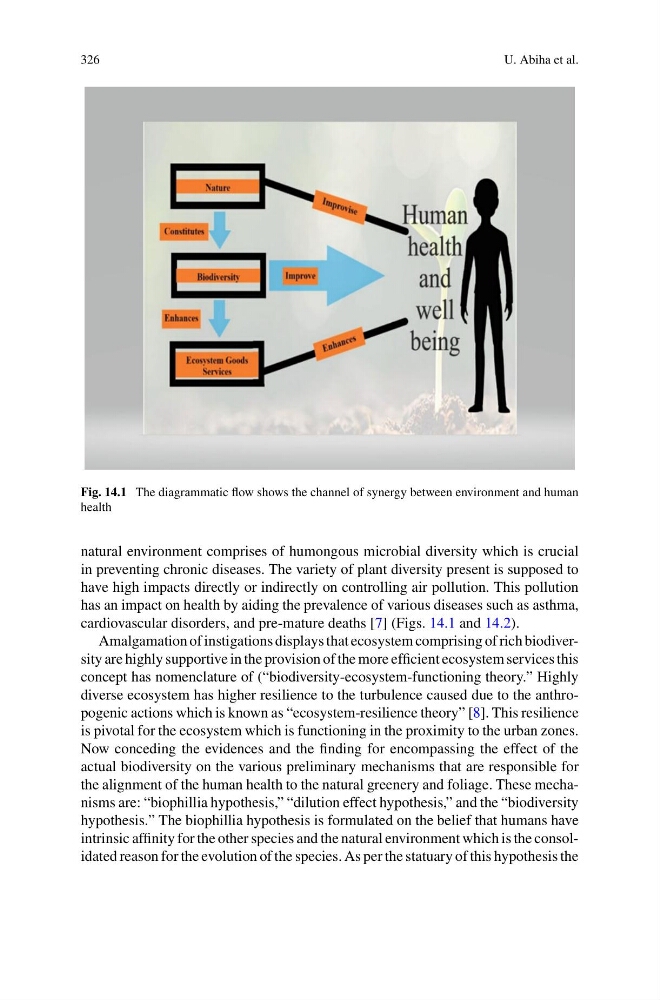
Fig. 14.1 The diagrammatic flow shows the channel of synergy between environment and human
health
natural environment comprises of humongous microbial diversity which is crucial
in preventing chronic diseases. The variety of plant diversity present is supposed to
have high impacts directly or indirectly on controlling air pollution. This pollution
has an impact on health by aiding the prevalence of various diseases such as asthma,
cardiovascular disorders, and pre-mature deaths [7] (Figs. 14.1 and 14.2).
Amalgamation of instigations displays that ecosystem comprising of rich biodiversity are highly supportive in the provision of the more efficient ecosystem services this
concept has nomenclature of (“biodiversity-ecosystem-functioning theory.” Highly
diverse ecosystem has higher resilience to the turbulence caused due to the anthropogenic actions which is known as “ecosystem-resilience theory” [8]. This resilience
is pivotal for the ecosystem which is functioning in the proximity to the urban zones.
Now conceding the evidences and the finding for encompassing the effect of the
actual biodiversity on the various preliminary mechanisms that are responsible for
the alignment of the human health to the natural greenery and foliage. These mechanisms are: “biophillia hypothesis,” “dilution effect hypothesis,” and the “biodiversity
hypothesis.” The biophillia hypothesis is formulated on the belief that humans have
intrinsic affinity for the other species and the natural environment which is the consolidated reason for the evolution of the species. As per the statuary of this hypothesis the
U. Abiha et al.
Fig. 14.1 The diagrammatic flow shows the channel of synergy between environment and human
health
natural environment comprises of humongous microbial diversity which is crucial
in preventing chronic diseases. The variety of plant diversity present is supposed to
have high impacts directly or indirectly on controlling air pollution. This pollution
has an impact on health by aiding the prevalence of various diseases such as asthma,
cardiovascular disorders, and pre-mature deaths [7] (Figs. 14.1 and 14.2).
Amalgamation of instigations displays that ecosystem comprising of rich biodiversity are highly supportive in the provision of the more efficient ecosystem services this
concept has nomenclature of (“biodiversity-ecosystem-functioning theory.” Highly
diverse ecosystem has higher resilience to the turbulence caused due to the anthropogenic actions which is known as “ecosystem-resilience theory” [8]. This resilience
is pivotal for the ecosystem which is functioning in the proximity to the urban zones.
Now conceding the evidences and the finding for encompassing the effect of the
actual biodiversity on the various preliminary mechanisms that are responsible for
the alignment of the human health to the natural greenery and foliage. These mechanisms are: “biophillia hypothesis,” “dilution effect hypothesis,” and the “biodiversity
hypothesis.” The biophillia hypothesis is formulated on the belief that humans have
intrinsic affinity for the other species and the natural environment which is the consolidated reason for the evolution of the species. As per the statuary of this hypothesis the