

4
1 Introduction to the Concepts and Use of ERA Acute
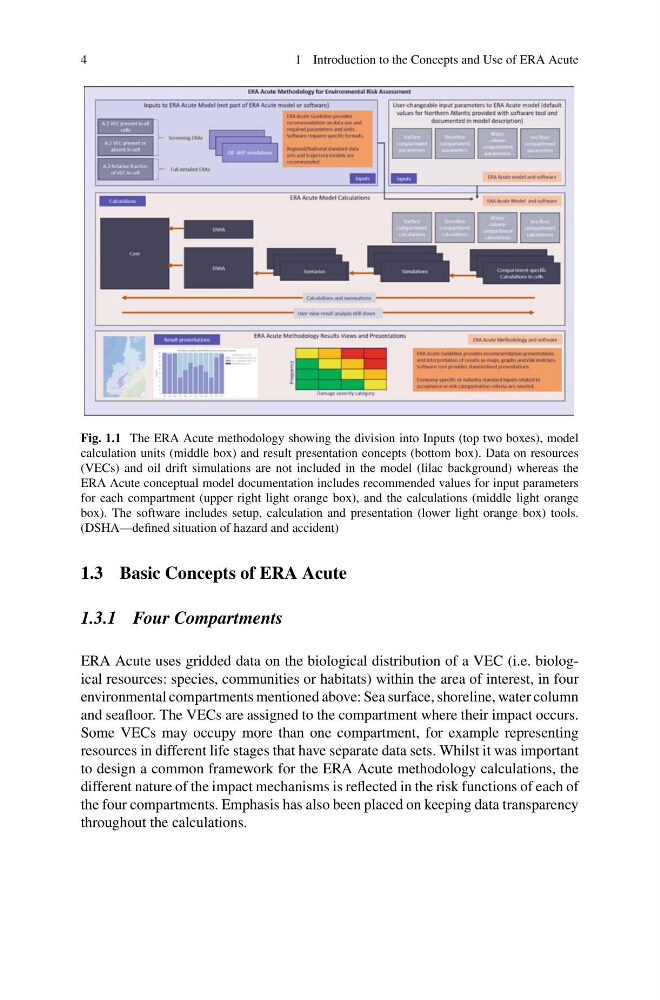
Fig. 1.1 The ERA Acute methodology showing the division into Inputs (top two boxes), model
calculation units (middle box) and result presentation concepts (bottom box). Data on resources
(VECs) and oil drift simulations are not included in the model (lilac background) whereas the
ERA Acute conceptual model documentation includes recommended values for input parameters
for each compartment (upper right light orange box), and the calculations (middle light orange
box). The software includes setup, calculation and presentation (lower light orange box) tools.
(DSHA—defined situation of hazard and accident)
1.3 Basic Concepts of ERA Acute
1.3.1 Four Compartments
ERA Acute uses gridded data on the biological distribution of a VEC (i.e. biological resources: species, communities or habitats) within the area of interest, in four
environmental compartments mentioned above: Sea surface, shoreline, water column
and seafloor. The VECs are assigned to the compartment where their impact occurs.
Some VECs may occupy more than one compartment, for example representing
resources in different life stages that have separate data sets. Whilst it was important
to design a common framework for the ERA Acute methodology calculations, the
different nature of the impact mechanisms is reflected in the risk functions of each of
the four compartments. Emphasis has also been placed on keeping data transparency
throughout the calculations.
1 Introduction to the Concepts and Use of ERA Acute
Fig. 1.1 The ERA Acute methodology showing the division into Inputs (top two boxes), model
calculation units (middle box) and result presentation concepts (bottom box). Data on resources
(VECs) and oil drift simulations are not included in the model (lilac background) whereas the
ERA Acute conceptual model documentation includes recommended values for input parameters
for each compartment (upper right light orange box), and the calculations (middle light orange
box). The software includes setup, calculation and presentation (lower light orange box) tools.
(DSHA—defined situation of hazard and accident)
1.3 Basic Concepts of ERA Acute
1.3.1 Four Compartments
ERA Acute uses gridded data on the biological distribution of a VEC (i.e. biological resources: species, communities or habitats) within the area of interest, in four
environmental compartments mentioned above: Sea surface, shoreline, water column
and seafloor. The VECs are assigned to the compartment where their impact occurs.
Some VECs may occupy more than one compartment, for example representing
resources in different life stages that have separate data sets. Whilst it was important
to design a common framework for the ERA Acute methodology calculations, the
different nature of the impact mechanisms is reflected in the risk functions of each of
the four compartments. Emphasis has also been placed on keeping data transparency
throughout the calculations.