

374
N. F. Nissen et al.
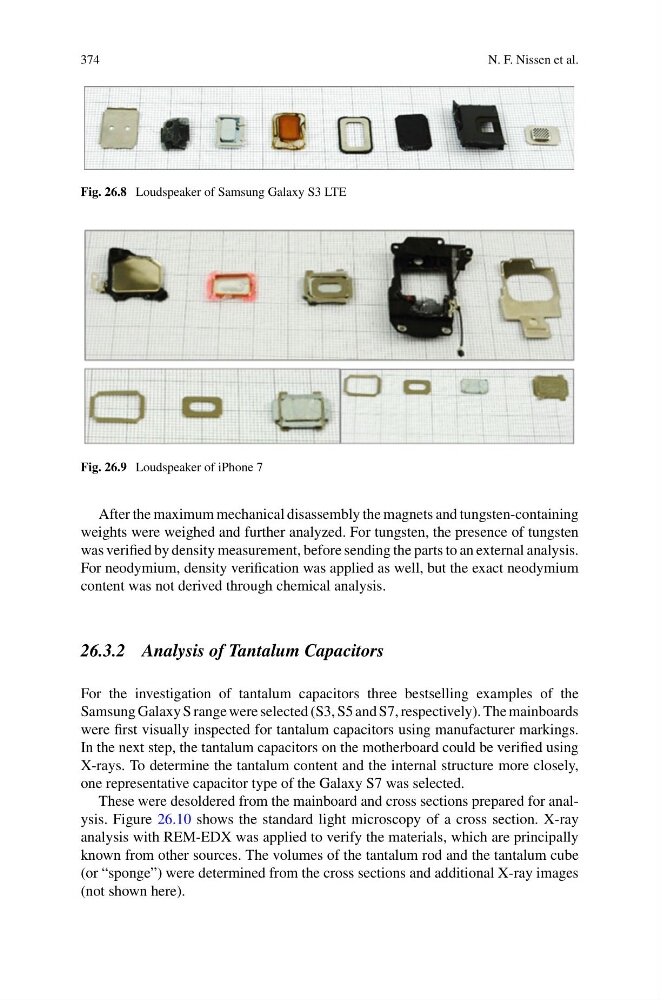
Fig. 26.8 Loudspeaker of Samsung Galaxy S3 LTE
Fig. 26.9 Loudspeaker of iPhone 7
After the maximum mechanical disassembly the magnets and tungsten-containing
weights were weighed and further analyzed. For tungsten, the presence of tungsten
was verified by density measurement, before sending the parts to an external analysis.
For neodymium, density verification was applied as well, but the exact neodymium
content was not derived through chemical analysis.
26.3.2 Analysis of Tantalum Capacitors
For the investigation of tantalum capacitors three bestselling examples of the
Samsung Galaxy S range were selected (S3, S5 and S7, respectively). The mainboards
were first visually inspected for tantalum capacitors using manufacturer markings.
In the next step, the tantalum capacitors on the motherboard could be verified using
X-rays. To determine the tantalum content and the internal structure more closely,
one representative capacitor type of the Galaxy S7 was selected.
These were desoldered from the mainboard and cross sections prepared for analysis. Figure 26.10 shows the standard light microscopy of a cross section. X-ray
analysis with REM-EDX was applied to verify the materials, which are principally
known from other sources. The volumes of the tantalum rod and the tantalum cube
(or “sponge”) were determined from the cross sections and additional X-ray images
(not shown here).
N. F. Nissen et al.
Fig. 26.8 Loudspeaker of Samsung Galaxy S3 LTE
Fig. 26.9 Loudspeaker of iPhone 7
After the maximum mechanical disassembly the magnets and tungsten-containing
weights were weighed and further analyzed. For tungsten, the presence of tungsten
was verified by density measurement, before sending the parts to an external analysis.
For neodymium, density verification was applied as well, but the exact neodymium
content was not derived through chemical analysis.
26.3.2 Analysis of Tantalum Capacitors
For the investigation of tantalum capacitors three bestselling examples of the
Samsung Galaxy S range were selected (S3, S5 and S7, respectively). The mainboards
were first visually inspected for tantalum capacitors using manufacturer markings.
In the next step, the tantalum capacitors on the motherboard could be verified using
X-rays. To determine the tantalum content and the internal structure more closely,
one representative capacitor type of the Galaxy S7 was selected.
These were desoldered from the mainboard and cross sections prepared for analysis. Figure 26.10 shows the standard light microscopy of a cross section. X-ray
analysis with REM-EDX was applied to verify the materials, which are principally
known from other sources. The volumes of the tantalum rod and the tantalum cube
(or “sponge”) were determined from the cross sections and additional X-ray images
(not shown here).