

236
A. Chari et al.
Increasing
structure of
activities in
industrial
practices
Landscape
Patchwork
of regimes
Niches
(Novelties)
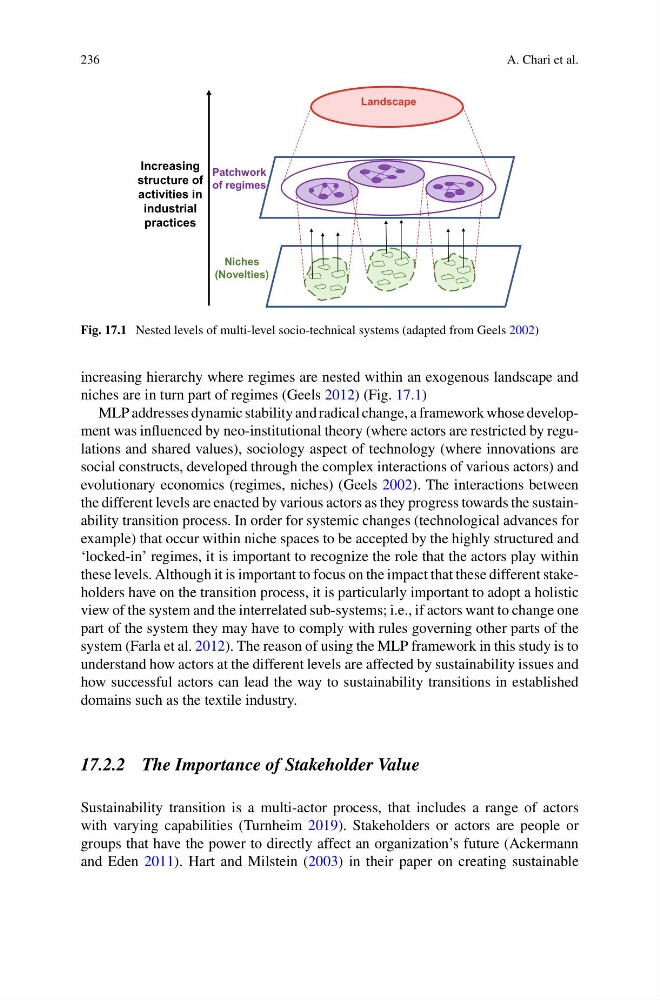
Fig. 17.1 Nested levels of multi-level socio-technical systems (adapted from Geels 2002)
increasing hierarchy where regimes are nested within an exogenous landscape and
niches are in turn part of regimes (Geels 2012) (Fig. 17.1)
MLP addresses dynamic stability and radical change, a framework whose development was influenced by neo-institutional theory (where actors are restricted by regulations and shared values), sociology aspect of technology (where innovations are
social constructs, developed through the complex interactions of various actors) and
evolutionary economics (regimes, niches) (Geels 2002). The interactions between
the different levels are enacted by various actors as they progress towards the sustainability transition process. In order for systemic changes (technological advances for
example) that occur within niche spaces to be accepted by the highly structured and
‘locked-in’ regimes, it is important to recognize the role that the actors play within
these levels. Although it is important to focus on the impact that these different stakeholders have on the transition process, it is particularly important to adopt a holistic
view of the system and the interrelated sub-systems; i.e., if actors want to change one
part of the system they may have to comply with rules governing other parts of the
system (Farla et al. 2012). The reason of using the MLP framework in this study is to
understand how actors at the different levels are affected by sustainability issues and
how successful actors can lead the way to sustainability transitions in established
domains such as the textile industry.
17.2.2 The Importance of Stakeholder Value
Sustainability transition is a multi-actor process, that includes a range of actors
with varying capabilities (Turnheim 2019). Stakeholders or actors are people or
groups that have the power to directly affect an organization’s future (Ackermann
and Eden 2011). Hart and Milstein (2003) in their paper on creating sustainable
A. Chari et al.
Increasing
structure of
activities in
industrial
practices
Landscape
Patchwork
of regimes
Niches
(Novelties)
Fig. 17.1 Nested levels of multi-level socio-technical systems (adapted from Geels 2002)
increasing hierarchy where regimes are nested within an exogenous landscape and
niches are in turn part of regimes (Geels 2012) (Fig. 17.1)
MLP addresses dynamic stability and radical change, a framework whose development was influenced by neo-institutional theory (where actors are restricted by regulations and shared values), sociology aspect of technology (where innovations are
social constructs, developed through the complex interactions of various actors) and
evolutionary economics (regimes, niches) (Geels 2002). The interactions between
the different levels are enacted by various actors as they progress towards the sustainability transition process. In order for systemic changes (technological advances for
example) that occur within niche spaces to be accepted by the highly structured and
‘locked-in’ regimes, it is important to recognize the role that the actors play within
these levels. Although it is important to focus on the impact that these different stakeholders have on the transition process, it is particularly important to adopt a holistic
view of the system and the interrelated sub-systems; i.e., if actors want to change one
part of the system they may have to comply with rules governing other parts of the
system (Farla et al. 2012). The reason of using the MLP framework in this study is to
understand how actors at the different levels are affected by sustainability issues and
how successful actors can lead the way to sustainability transitions in established
domains such as the textile industry.
17.2.2 The Importance of Stakeholder Value
Sustainability transition is a multi-actor process, that includes a range of actors
with varying capabilities (Turnheim 2019). Stakeholders or actors are people or
groups that have the power to directly affect an organization’s future (Ackermann
and Eden 2011). Hart and Milstein (2003) in their paper on creating sustainable