

transformation; this has been historically one of the main ways of closing cycles
especially in the farming sector. Second, selected compounds of waste feedstock can
be used after various processes of transformation/extraction, e.g., use of orange peel
to produce compounds for beverages and snacks (Vergamini et al. 2015). Third,
wastes and by-products can be used for bioenergy production; this is often not
considered to be the best solution, as it causes the loss of valuable compounds.
Finally, biowastes can be used in biorefinery processes that yield a variety of
different output and end up with energy production (Venkata Mohan et al. 2016).
The amount of waste use at present is rather differentiated in different sectors due
to various technological and organisational reasons (Egelyng et al. 2016). As an
example, Kinnaman (2014) suggests an optimal recycling rate of 36% for municipal
wastes in Japan.
In the bioeconomy, food is a key component of biomass production, so no
surprise that food waste plays a very important role in the issue of circularity. This
is also connected to ethically relevant issues, such as food security and affordability.
In this respect, using food by-products and wastes in the food industry (i.e. to
produce food) ensures a higher value addition.
Haas et al. (2015) provide an analysis of the degree of circularity of the global and
the EU-27 economy. Their estimates for 2005 show that there is a global flow of
roughly 4 Gt/year (gigatonnes per year) of recycled waste materials, i.e., less than
10% of the 62 Gt/year of processed materials and 41 Gt/year. of outputs produced
worldwide. The bioeconomy accounts for a large share of processed material
(19 Gt/year) but its degree of circularity is only 3% (7% in the EU-27). One of the
reasons for this is that biomass is largely used for energy purposes (including food),
so it is destroyed in the process of utilisation and is hence non-recyclable.
Circularity depends on the processes used to produce biomass. In particular,
circularity of biomass-related industries requires circularity of input production
and management processes. As an example, incresing circularlty in agricultur also
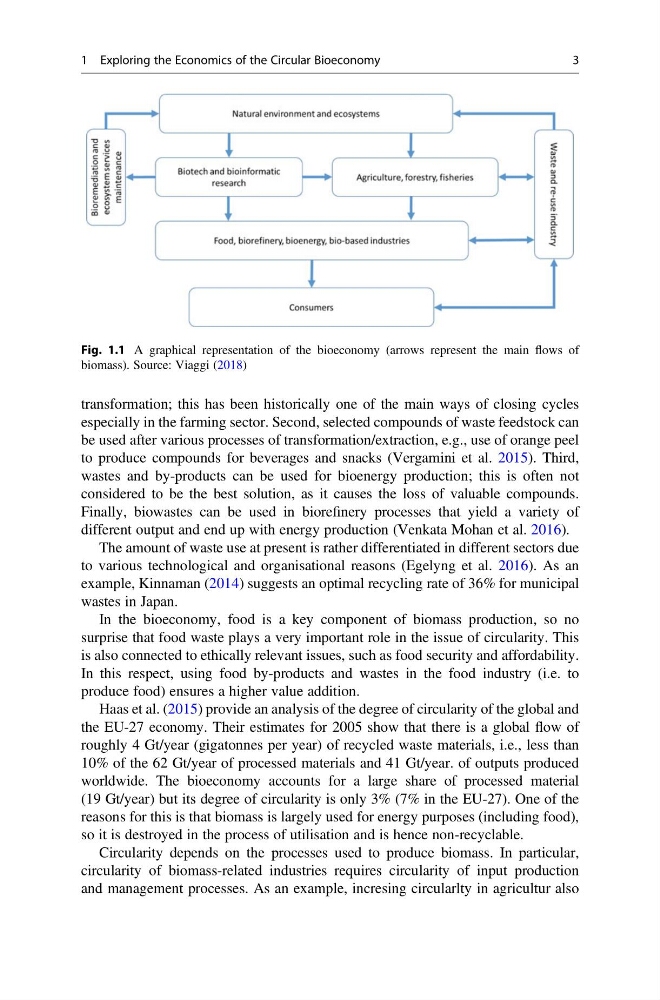
Fig. 1.1 A graphical representation of the bioeconomy (arrows represent the main flows of
biomass). Source: Viaggi (2018)
1 Exploring the Economics of the Circular Bioeconomy
3
especially in the farming sector. Second, selected compounds of waste feedstock can
be used after various processes of transformation/extraction, e.g., use of orange peel
to produce compounds for beverages and snacks (Vergamini et al. 2015). Third,
wastes and by-products can be used for bioenergy production; this is often not
considered to be the best solution, as it causes the loss of valuable compounds.
Finally, biowastes can be used in biorefinery processes that yield a variety of
different output and end up with energy production (Venkata Mohan et al. 2016).
The amount of waste use at present is rather differentiated in different sectors due
to various technological and organisational reasons (Egelyng et al. 2016). As an
example, Kinnaman (2014) suggests an optimal recycling rate of 36% for municipal
wastes in Japan.
In the bioeconomy, food is a key component of biomass production, so no
surprise that food waste plays a very important role in the issue of circularity. This
is also connected to ethically relevant issues, such as food security and affordability.
In this respect, using food by-products and wastes in the food industry (i.e. to
produce food) ensures a higher value addition.
Haas et al. (2015) provide an analysis of the degree of circularity of the global and
the EU-27 economy. Their estimates for 2005 show that there is a global flow of
roughly 4 Gt/year (gigatonnes per year) of recycled waste materials, i.e., less than
10% of the 62 Gt/year of processed materials and 41 Gt/year. of outputs produced
worldwide. The bioeconomy accounts for a large share of processed material
(19 Gt/year) but its degree of circularity is only 3% (7% in the EU-27). One of the
reasons for this is that biomass is largely used for energy purposes (including food),
so it is destroyed in the process of utilisation and is hence non-recyclable.
Circularity depends on the processes used to produce biomass. In particular,
circularity of biomass-related industries requires circularity of input production
and management processes. As an example, incresing circularlty in agricultur also
Fig. 1.1 A graphical representation of the bioeconomy (arrows represent the main flows of
biomass). Source: Viaggi (2018)
1 Exploring the Economics of the Circular Bioeconomy
3