

Sustainable Development of Rural Tourist Settlements in Serbia …
177
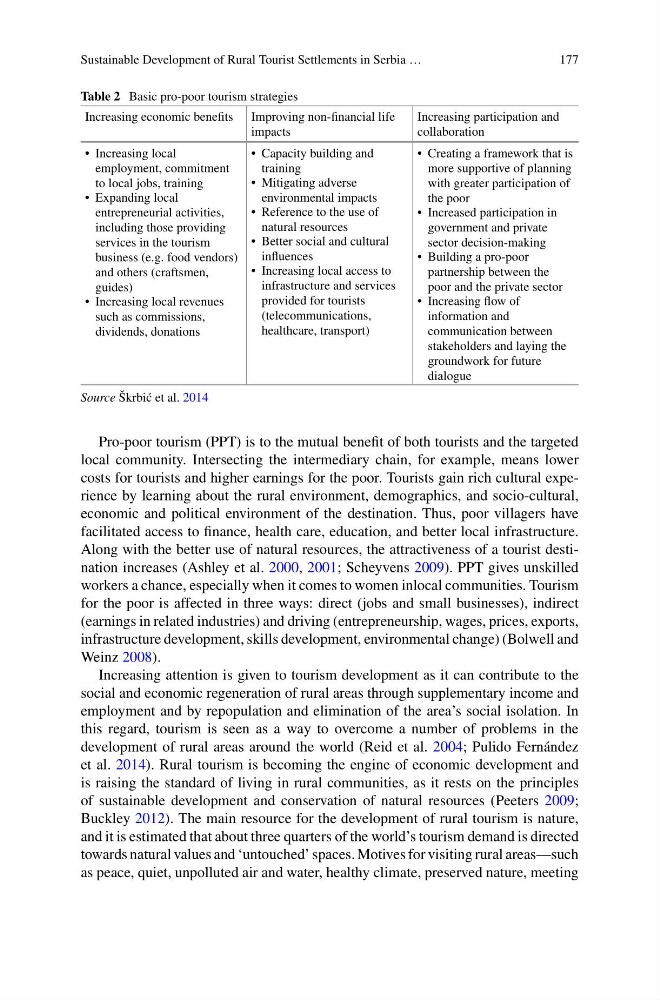
Table 2 Basic pro-poor tourism strategies
Increasing economic benefits Improving non-financial life
impacts
Increasing participation and
collaboration
• Increasing local
employment, commitment
to local jobs, training
• Expanding local
entrepreneurial activities,
including those providing
services in the tourism
business (e.g. food vendors)
and others (craftsmen,
guides)
• Increasing local revenues
such as commissions,
dividends, donations
• Capacity building and
training
• Mitigating adverse
environmental impacts
• Reference to the use of
natural resources
• Better social and cultural
influences
• Increasing local access to
infrastructure and services
provided for tourists
(telecommunications,
healthcare, transport)
• Creating a framework that is
more supportive of planning
with greater participation of
the poor
• Increased participation in
government and private
sector decision-making
• Building a pro-poor
partnership between the
poor and the private sector
• Increasing flow of
information and
communication between
stakeholders and laying the
groundwork for future
dialogue
Source Škrbi´ c et al. 2014
Pro-poor tourism (PPT) is to the mutual benefit of both tourists and the targeted
local community. Intersecting the intermediary chain, for example, means lower
costs for tourists and higher earnings for the poor. Tourists gain rich cultural experience by learning about the rural environment, demographics, and socio-cultural,
economic and political environment of the destination. Thus, poor villagers have
facilitated access to finance, health care, education, and better local infrastructure.
Along with the better use of natural resources, the attractiveness of a tourist destination increases (Ashley et al. 2000, 2001; Scheyvens 2009). PPT gives unskilled
workers a chance, especially when it comes to women inlocal communities. Tourism
for the poor is affected in three ways: direct (jobs and small businesses), indirect
(earnings in related industries) and driving (entrepreneurship, wages, prices, exports,
infrastructure development, skills development, environmental change) (Bolwell and
Weinz 2008).
Increasing attention is given to tourism development as it can contribute to the
social and economic regeneration of rural areas through supplementary income and
employment and by repopulation and elimination of the area’s social isolation. In
this regard, tourism is seen as a way to overcome a number of problems in the
development of rural areas around the world (Reid et al. 2004; Pulido Fernández
et al. 2014). Rural tourism is becoming the engine of economic development and
is raising the standard of living in rural communities, as it rests on the principles
of sustainable development and conservation of natural resources (Peeters 2009;
Buckley 2012). The main resource for the development of rural tourism is nature,
and it is estimated that about three quarters of the world’s tourism demand is directed
towards natural values and ‘untouched’ spaces. Motives for visiting rural areas—such
as peace, quiet, unpolluted air and water, healthy climate, preserved nature, meeting
177
Table 2 Basic pro-poor tourism strategies
Increasing economic benefits Improving non-financial life
impacts
Increasing participation and
collaboration
• Increasing local
employment, commitment
to local jobs, training
• Expanding local
entrepreneurial activities,
including those providing
services in the tourism
business (e.g. food vendors)
and others (craftsmen,
guides)
• Increasing local revenues
such as commissions,
dividends, donations
• Capacity building and
training
• Mitigating adverse
environmental impacts
• Reference to the use of
natural resources
• Better social and cultural
influences
• Increasing local access to
infrastructure and services
provided for tourists
(telecommunications,
healthcare, transport)
• Creating a framework that is
more supportive of planning
with greater participation of
the poor
• Increased participation in
government and private
sector decision-making
• Building a pro-poor
partnership between the
poor and the private sector
• Increasing flow of
information and
communication between
stakeholders and laying the
groundwork for future
dialogue
Source Škrbi´ c et al. 2014
Pro-poor tourism (PPT) is to the mutual benefit of both tourists and the targeted
local community. Intersecting the intermediary chain, for example, means lower
costs for tourists and higher earnings for the poor. Tourists gain rich cultural experience by learning about the rural environment, demographics, and socio-cultural,
economic and political environment of the destination. Thus, poor villagers have
facilitated access to finance, health care, education, and better local infrastructure.
Along with the better use of natural resources, the attractiveness of a tourist destination increases (Ashley et al. 2000, 2001; Scheyvens 2009). PPT gives unskilled
workers a chance, especially when it comes to women inlocal communities. Tourism
for the poor is affected in three ways: direct (jobs and small businesses), indirect
(earnings in related industries) and driving (entrepreneurship, wages, prices, exports,
infrastructure development, skills development, environmental change) (Bolwell and
Weinz 2008).
Increasing attention is given to tourism development as it can contribute to the
social and economic regeneration of rural areas through supplementary income and
employment and by repopulation and elimination of the area’s social isolation. In
this regard, tourism is seen as a way to overcome a number of problems in the
development of rural areas around the world (Reid et al. 2004; Pulido Fernández
et al. 2014). Rural tourism is becoming the engine of economic development and
is raising the standard of living in rural communities, as it rests on the principles
of sustainable development and conservation of natural resources (Peeters 2009;
Buckley 2012). The main resource for the development of rural tourism is nature,
and it is estimated that about three quarters of the world’s tourism demand is directed
towards natural values and ‘untouched’ spaces. Motives for visiting rural areas—such
as peace, quiet, unpolluted air and water, healthy climate, preserved nature, meeting