

rise below 2
C. In this section we have briefly highlighted the role of phenology as
an indicator of climate change and the need to strengthen phenological resilience.
Phenology as an Indicator of Climate Change
The temporal variations in the green cover of forests show long-term changes in the
phenological activity of the forests which can be used as an indicator of climate
change impact (Chakraborty et al. 2018).
Species distribution in the forest can act as an indicator of climate change (Priti
et al. 2016). It has been projected that tree species “face a significant decrease in
suitable habitat area” from climate change (Dyderski et al. 2018). The ramification of
the same for both ecosystem services and biodiversity would be very serious.
Plant phenology has been reported to be a “sensitive indicator of climate change”
and essentially controls the seasonal variations of carbon budget and water and
energy flow between the terrestrial and atmospheric systems of the ecosystem
(Kosmala et al. 2016). Any change in the climate will result in a chain reaction
affecting the material and energy flow across the forest ecosystem that is observable
at the phenological level of the tree species.
Enhancing Phenological Resilience
Development of specific policy level and practical approaches is needed to enhance
the phenological resilience of forests towards climatic disturbances; this is important
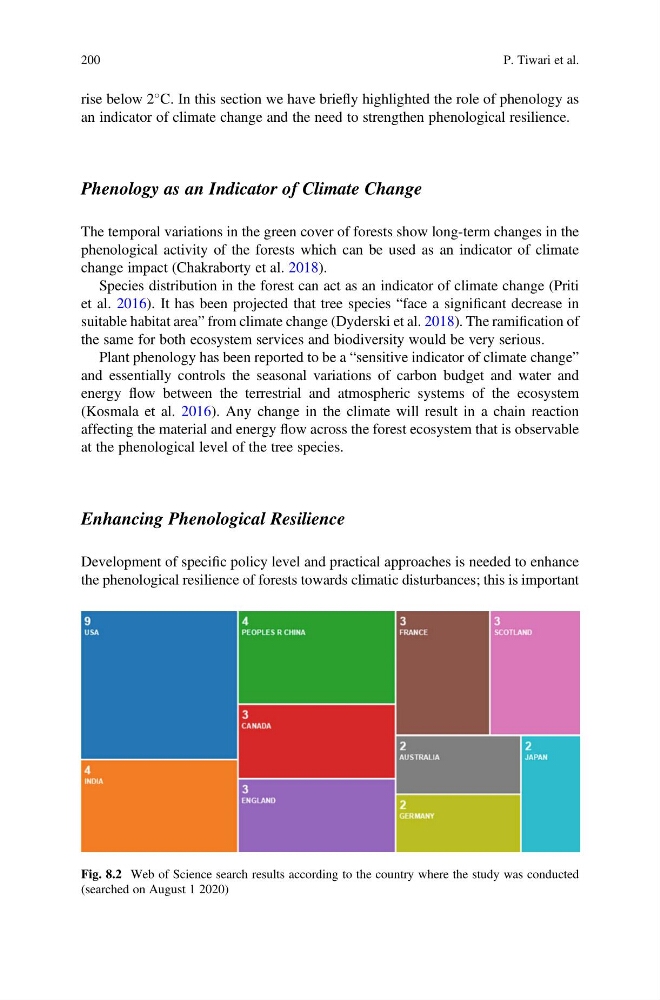
Fig. 8.2 Web of Science search results according to the country where the study was conducted
(searched on August 1 2020)
200
P. Tiwari et al.
C. In this section we have briefly highlighted the role of phenology as
an indicator of climate change and the need to strengthen phenological resilience.
Phenology as an Indicator of Climate Change
The temporal variations in the green cover of forests show long-term changes in the
phenological activity of the forests which can be used as an indicator of climate
change impact (Chakraborty et al. 2018).
Species distribution in the forest can act as an indicator of climate change (Priti
et al. 2016). It has been projected that tree species “face a significant decrease in
suitable habitat area” from climate change (Dyderski et al. 2018). The ramification of
the same for both ecosystem services and biodiversity would be very serious.
Plant phenology has been reported to be a “sensitive indicator of climate change”
and essentially controls the seasonal variations of carbon budget and water and
energy flow between the terrestrial and atmospheric systems of the ecosystem
(Kosmala et al. 2016). Any change in the climate will result in a chain reaction
affecting the material and energy flow across the forest ecosystem that is observable
at the phenological level of the tree species.
Enhancing Phenological Resilience
Development of specific policy level and practical approaches is needed to enhance
the phenological resilience of forests towards climatic disturbances; this is important
Fig. 8.2 Web of Science search results according to the country where the study was conducted
(searched on August 1 2020)
200
P. Tiwari et al.