

104 Damage to concrete structures
These pores typically are partially filled with water containing a variety of
ions, the so-called pore solution. When concrete is exposed to freezing temperatures, the pore water can start freezing which will result in ice formation and possibly in damage to the concrete, which is called frost damage
or internal frost damage. When de-icing salts are applied to the concrete
surface, as is common practice on concrete roads in many countries with
cold winter climates, the damage mechanism is somewhat different, resulting in so-called salt scaling. This will be further detailed in Section 5.2.2.
First, internal frost damage (without de-icing salts) will be explained.
To explain internal frost damage in concrete, the expansion associated
with the transformation of water into ice while freezing is an essential element. Nevertheless, different theories exist, giving different views on the
real mechanisms occurring during freeze–thaw cycles in concrete.
5.2.1.1.1 Hydraulic pressure
Based on the expansive ice formation when water is freezing, representing a
9% volume increase, Powers (1945) proposed the hydraulic pressure theory
to explain internal frost damage. Ice formation is initiated first in the larger
pores within the capillary pore structure, expelling pore water from the
freezing pores due to the aforementioned volume increase. Depending on
the growth rate of the ice, which is a function of the cooling rate and the
level of undercooling before nucleation occurs (Sun and Sherer 2010), and
depending on the pore structure of the cement matrix, significant hydraulic
pressures could occur, leading to tensile stresses in the concrete, possibly
reaching the tensile strength and causing frost damage.
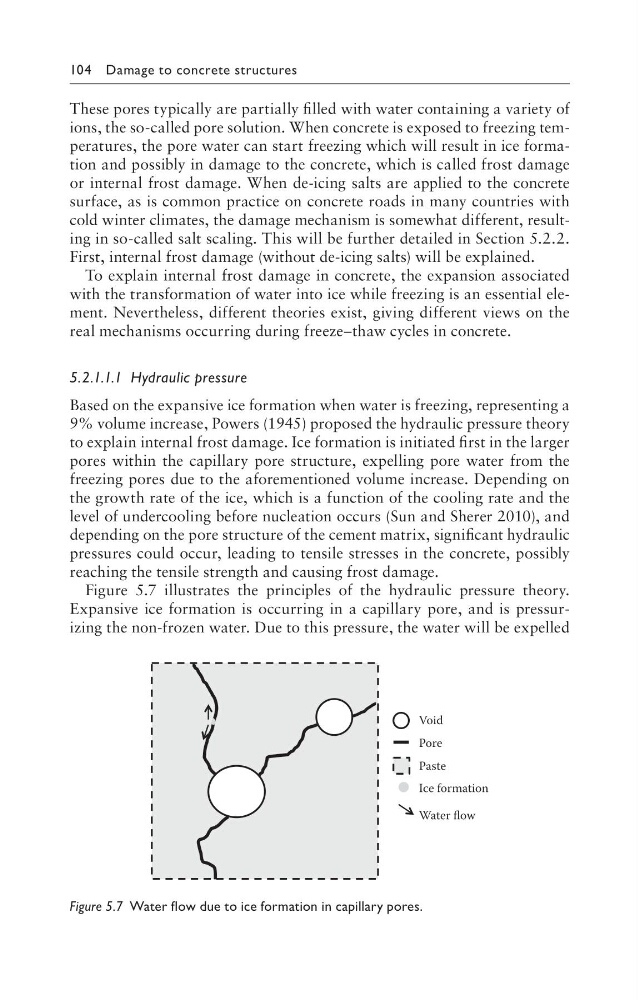
Figure 5.7 illustrates the principles of the hydraulic pressure theory.
Expansive ice formation is occurring in a capillary pore, and is pressurizing the non-frozen water. Due to this pressure, the water will be expelled
Void
Pore
Paste
Ice formation
Water flow
Figure 5.7 Water flow due to ice formation in capillary pores.
These pores typically are partially filled with water containing a variety of
ions, the so-called pore solution. When concrete is exposed to freezing temperatures, the pore water can start freezing which will result in ice formation and possibly in damage to the concrete, which is called frost damage
or internal frost damage. When de-icing salts are applied to the concrete
surface, as is common practice on concrete roads in many countries with
cold winter climates, the damage mechanism is somewhat different, resulting in so-called salt scaling. This will be further detailed in Section 5.2.2.
First, internal frost damage (without de-icing salts) will be explained.
To explain internal frost damage in concrete, the expansion associated
with the transformation of water into ice while freezing is an essential element. Nevertheless, different theories exist, giving different views on the
real mechanisms occurring during freeze–thaw cycles in concrete.
5.2.1.1.1 Hydraulic pressure
Based on the expansive ice formation when water is freezing, representing a
9% volume increase, Powers (1945) proposed the hydraulic pressure theory
to explain internal frost damage. Ice formation is initiated first in the larger
pores within the capillary pore structure, expelling pore water from the
freezing pores due to the aforementioned volume increase. Depending on
the growth rate of the ice, which is a function of the cooling rate and the
level of undercooling before nucleation occurs (Sun and Sherer 2010), and
depending on the pore structure of the cement matrix, significant hydraulic
pressures could occur, leading to tensile stresses in the concrete, possibly
reaching the tensile strength and causing frost damage.
Figure 5.7 illustrates the principles of the hydraulic pressure theory.
Expansive ice formation is occurring in a capillary pore, and is pressurizing the non-frozen water. Due to this pressure, the water will be expelled
Void
Pore
Paste
Ice formation
Water flow
Figure 5.7 Water flow due to ice formation in capillary pores.