

604
L. B. de Macedo Guimarães et al.
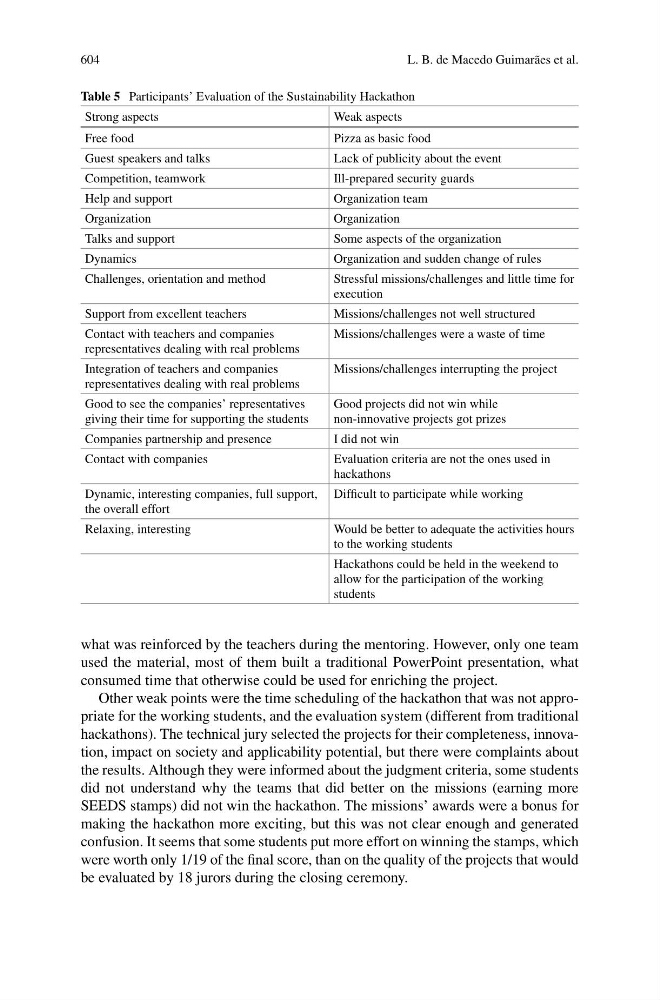
Table 5 Participants’ Evaluation of the Sustainability Hackathon
Strong aspects
Weak aspects
Free food
Pizza as basic food
Guest speakers and talks
Lack of publicity about the event
Competition, teamwork
Ill-prepared security guards
Help and support
Organization team
Organization
Organization
Talks and support
Some aspects of the organization
Dynamics
Organization and sudden change of rules
Challenges, orientation and method
Stressful missions/challenges and little time for
execution
Support from excellent teachers
Missions/challenges not well structured
Contact with teachers and companies
representatives dealing with real problems
Missions/challenges were a waste of time
Integration of teachers and companies
representatives dealing with real problems
Missions/challenges interrupting the project
Good to see the companies’ representatives
giving their time for supporting the students
Good projects did not win while
non-innovative projects got prizes
Companies partnership and presence
I did not win
Contact with companies
Evaluation criteria are not the ones used in
hackathons
Dynamic, interesting companies, full support,
the overall effort
Difficult to participate while working
Relaxing, interesting
Would be better to adequate the activities hours
to the working students
Hackathons could be held in the weekend to
allow for the participation of the working
students
what was reinforced by the teachers during the mentoring. However, only one team
used the material, most of them built a traditional PowerPoint presentation, what
consumed time that otherwise could be used for enriching the project.
Other weak points were the time scheduling of the hackathon that was not appropriate for the working students, and the evaluation system (different from traditional
hackathons). The technical jury selected the projects for their completeness, innovation, impact on society and applicability potential, but there were complaints about
the results. Although they were informed about the judgment criteria, some students
did not understand why the teams that did better on the missions (earning more
SEEDS stamps) did not win the hackathon. The missions’ awards were a bonus for
making the hackathon more exciting, but this was not clear enough and generated
confusion. It seems that some students put more effort on winning the stamps, which
were worth only 1/19 of the final score, than on the quality of the projects that would
be evaluated by 18 jurors during the closing ceremony.
L. B. de Macedo Guimarães et al.
Table 5 Participants’ Evaluation of the Sustainability Hackathon
Strong aspects
Weak aspects
Free food
Pizza as basic food
Guest speakers and talks
Lack of publicity about the event
Competition, teamwork
Ill-prepared security guards
Help and support
Organization team
Organization
Organization
Talks and support
Some aspects of the organization
Dynamics
Organization and sudden change of rules
Challenges, orientation and method
Stressful missions/challenges and little time for
execution
Support from excellent teachers
Missions/challenges not well structured
Contact with teachers and companies
representatives dealing with real problems
Missions/challenges were a waste of time
Integration of teachers and companies
representatives dealing with real problems
Missions/challenges interrupting the project
Good to see the companies’ representatives
giving their time for supporting the students
Good projects did not win while
non-innovative projects got prizes
Companies partnership and presence
I did not win
Contact with companies
Evaluation criteria are not the ones used in
hackathons
Dynamic, interesting companies, full support,
the overall effort
Difficult to participate while working
Relaxing, interesting
Would be better to adequate the activities hours
to the working students
Hackathons could be held in the weekend to
allow for the participation of the working
students
what was reinforced by the teachers during the mentoring. However, only one team
used the material, most of them built a traditional PowerPoint presentation, what
consumed time that otherwise could be used for enriching the project.
Other weak points were the time scheduling of the hackathon that was not appropriate for the working students, and the evaluation system (different from traditional
hackathons). The technical jury selected the projects for their completeness, innovation, impact on society and applicability potential, but there were complaints about
the results. Although they were informed about the judgment criteria, some students
did not understand why the teams that did better on the missions (earning more
SEEDS stamps) did not win the hackathon. The missions’ awards were a bonus for
making the hackathon more exciting, but this was not clear enough and generated
confusion. It seems that some students put more effort on winning the stamps, which
were worth only 1/19 of the final score, than on the quality of the projects that would
be evaluated by 18 jurors during the closing ceremony.