

318
L. M. Floriani and E. N. de Moura
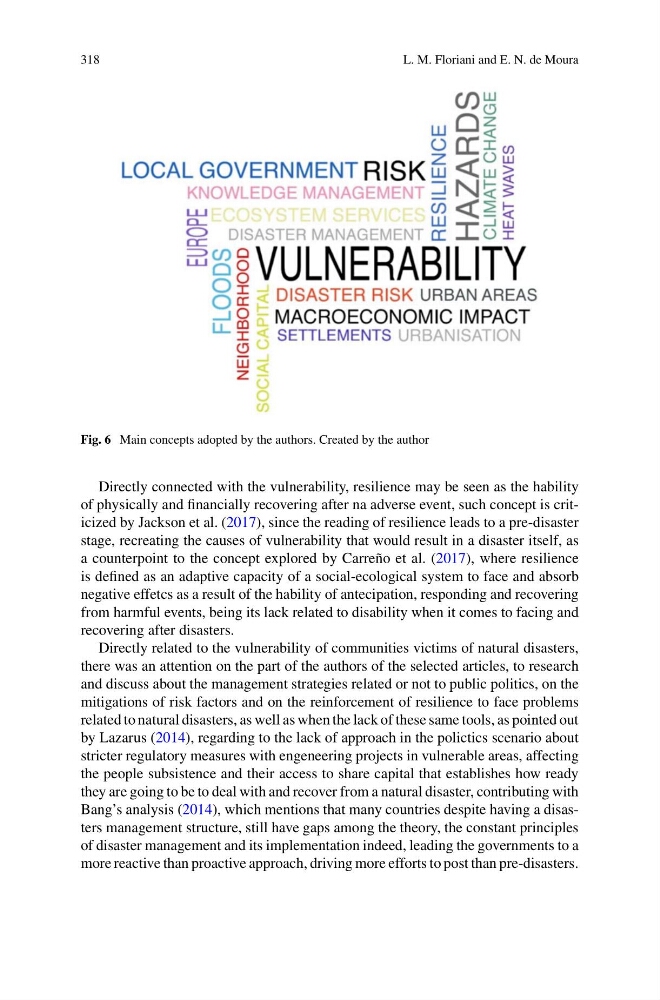
Fig. 6 Main concepts adopted by the authors. Created by the author
Directly connected with the vulnerability, resilience may be seen as the hability
of physically and financially recovering after na adverse event, such concept is criticized by Jackson et al. (2017), since the reading of resilience leads to a pre-disaster
stage, recreating the causes of vulnerability that would result in a disaster itself, as
a counterpoint to the concept explored by Carreño et al. (2017), where resilience
is defined as an adaptive capacity of a social-ecological system to face and absorb
negative effetcs as a result of the hability of antecipation, responding and recovering
from harmful events, being its lack related to disability when it comes to facing and
recovering after disasters.
Directly related to the vulnerability of communities victims of natural disasters,
there was an attention on the part of the authors of the selected articles, to research
and discuss about the management strategies related or not to public politics, on the
mitigations of risk factors and on the reinforcement of resilience to face problems
related to natural disasters, as well as when the lack of these same tools, as pointed out
by Lazarus (2014), regarding to the lack of approach in the polictics scenario about
stricter regulatory measures with engeneering projects in vulnerable areas, affecting
the people subsistence and their access to share capital that establishes how ready
they are going to be to deal with and recover from a natural disaster, contributing with
Bang’s analysis (2014), which mentions that many countries despite having a disasters management structure, still have gaps among the theory, the constant principles
of disaster management and its implementation indeed, leading the governments to a
more reactive than proactive approach, driving more efforts to post than pre-disasters.
L. M. Floriani and E. N. de Moura
Fig. 6 Main concepts adopted by the authors. Created by the author
Directly connected with the vulnerability, resilience may be seen as the hability
of physically and financially recovering after na adverse event, such concept is criticized by Jackson et al. (2017), since the reading of resilience leads to a pre-disaster
stage, recreating the causes of vulnerability that would result in a disaster itself, as
a counterpoint to the concept explored by Carreño et al. (2017), where resilience
is defined as an adaptive capacity of a social-ecological system to face and absorb
negative effetcs as a result of the hability of antecipation, responding and recovering
from harmful events, being its lack related to disability when it comes to facing and
recovering after disasters.
Directly related to the vulnerability of communities victims of natural disasters,
there was an attention on the part of the authors of the selected articles, to research
and discuss about the management strategies related or not to public politics, on the
mitigations of risk factors and on the reinforcement of resilience to face problems
related to natural disasters, as well as when the lack of these same tools, as pointed out
by Lazarus (2014), regarding to the lack of approach in the polictics scenario about
stricter regulatory measures with engeneering projects in vulnerable areas, affecting
the people subsistence and their access to share capital that establishes how ready
they are going to be to deal with and recover from a natural disaster, contributing with
Bang’s analysis (2014), which mentions that many countries despite having a disasters management structure, still have gaps among the theory, the constant principles
of disaster management and its implementation indeed, leading the governments to a
more reactive than proactive approach, driving more efforts to post than pre-disasters.