

278
M. L. M. Bernartt et al.
Visit in Loco and
PreparaƟon of
the Flowchart
Waste and
desƟnaƟon data
collecƟon
Analysis of the
current system
Study of possible
companies for
co-process
ImplementaƟon
proposal
Technical and
economic
feasibility
analysis
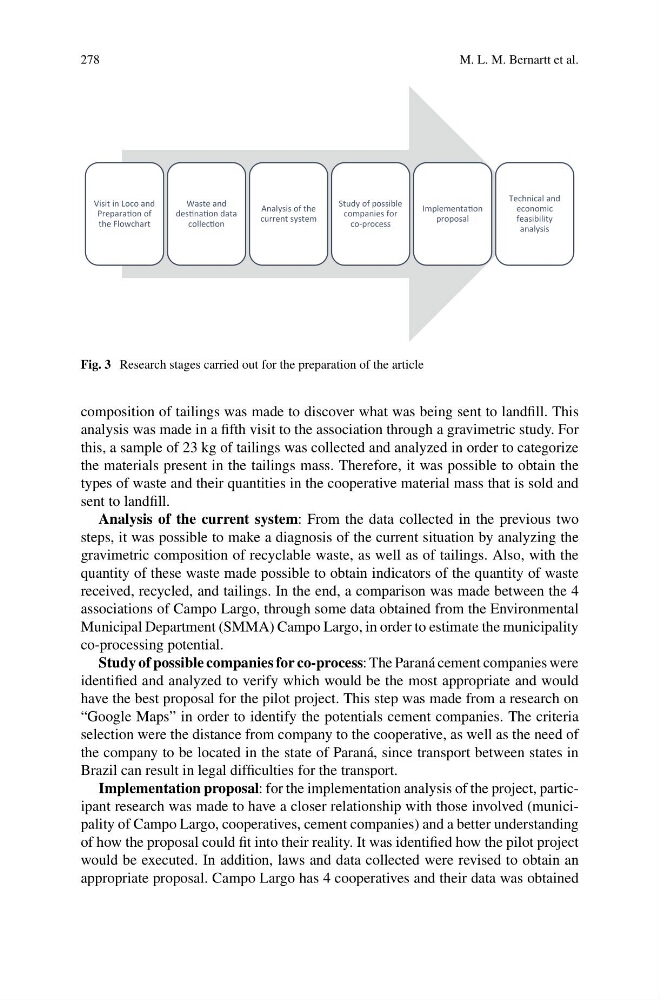
Fig. 3 Research stages carried out for the preparation of the article
composition of tailings was made to discover what was being sent to landfill. This
analysis was made in a fifth visit to the association through a gravimetric study. For
this, a sample of 23 kg of tailings was collected and analyzed in order to categorize
the materials present in the tailings mass. Therefore, it was possible to obtain the
types of waste and their quantities in the cooperative material mass that is sold and
sent to landfill.
Analysis of the current system: From the data collected in the previous two
steps, it was possible to make a diagnosis of the current situation by analyzing the
gravimetric composition of recyclable waste, as well as of tailings. Also, with the
quantity of these waste made possible to obtain indicators of the quantity of waste
received, recycled, and tailings. In the end, a comparison was made between the 4
associations of Campo Largo, through some data obtained from the Environmental
Municipal Department (SMMA) Campo Largo, in order to estimate the municipality
co-processing potential.
Study of possible companies for co-process: The Paraná cement companies were
identified and analyzed to verify which would be the most appropriate and would
have the best proposal for the pilot project. This step was made from a research on
“Google Maps” in order to identify the potentials cement companies. The criteria
selection were the distance from company to the cooperative, as well as the need of
the company to be located in the state of Paraná, since transport between states in
Brazil can result in legal difficulties for the transport.
Implementation proposal: for the implementation analysis of the project, participant research was made to have a closer relationship with those involved (municipality of Campo Largo, cooperatives, cement companies) and a better understanding
of how the proposal could fit into their reality. It was identified how the pilot project
would be executed. In addition, laws and data collected were revised to obtain an
appropriate proposal. Campo Largo has 4 cooperatives and their data was obtained
M. L. M. Bernartt et al.
Visit in Loco and
PreparaƟon of
the Flowchart
Waste and
desƟnaƟon data
collecƟon
Analysis of the
current system
Study of possible
companies for
co-process
ImplementaƟon
proposal
Technical and
economic
feasibility
analysis
Fig. 3 Research stages carried out for the preparation of the article
composition of tailings was made to discover what was being sent to landfill. This
analysis was made in a fifth visit to the association through a gravimetric study. For
this, a sample of 23 kg of tailings was collected and analyzed in order to categorize
the materials present in the tailings mass. Therefore, it was possible to obtain the
types of waste and their quantities in the cooperative material mass that is sold and
sent to landfill.
Analysis of the current system: From the data collected in the previous two
steps, it was possible to make a diagnosis of the current situation by analyzing the
gravimetric composition of recyclable waste, as well as of tailings. Also, with the
quantity of these waste made possible to obtain indicators of the quantity of waste
received, recycled, and tailings. In the end, a comparison was made between the 4
associations of Campo Largo, through some data obtained from the Environmental
Municipal Department (SMMA) Campo Largo, in order to estimate the municipality
co-processing potential.
Study of possible companies for co-process: The Paraná cement companies were
identified and analyzed to verify which would be the most appropriate and would
have the best proposal for the pilot project. This step was made from a research on
“Google Maps” in order to identify the potentials cement companies. The criteria
selection were the distance from company to the cooperative, as well as the need of
the company to be located in the state of Paraná, since transport between states in
Brazil can result in legal difficulties for the transport.
Implementation proposal: for the implementation analysis of the project, participant research was made to have a closer relationship with those involved (municipality of Campo Largo, cooperatives, cement companies) and a better understanding
of how the proposal could fit into their reality. It was identified how the pilot project
would be executed. In addition, laws and data collected were revised to obtain an
appropriate proposal. Campo Largo has 4 cooperatives and their data was obtained