

as mixed temperatures. To respond to the assessment of the performance, the
reaction of the volatile acid groups like valeric acid, propionic acid, butyric acid,
as well as acetic acid, the pH value was coupled to the generation of biological
methane. The highest methane yield observed was 266 mL/g VS in the mesophilic
state and 235 mL/g VS in the thermophilic state. Methane performance reacts
positively to dual digestion, which is established by the digestion performance
index (DPI). In addition, the parameters of the process, namely, the concentrations
of butyric acid as well as acetic acid, were in the range of 15–70% and 18–70% for
the loads at 36
C and 56
C. SG showed the highest concentration of butyric acid as
well as on the contrary the maximum created acetic acid by FW or SG. Although a
lower inhibition of biomethane yield is observed at higher acid concentrations during
the performance evaluation, the result showed that 1:1 co-digestion under
mesophilic and thermophilic conditions resulted in better yield with FW as well as
SG. The result showed that 1:1 co-digestion under mesophilic and thermophilic
conditions resulted in better presentation with FW as well as SG. The study approves
that the occurrence of sluggish and profligate decomposable organic materials
contributes equally to the performance of biomethane.
Ghosh et al. (2020) assessed the possibility of simultaneous digestion of municipal sewage sludge (SS) in addition to organic portion of municipal solid waste
(OPMSW) to improve the production of biogas. A biogas production of 585.2 mL
biogas/g VS with the maximum methane composition of 69.6% was perceived with
an optimal OFMSW:SS mass ratio (2:3). Fungi as well as bacteria have been shown
to be primarily associated with the early phases of AD and hydrolysis. The
hydrotrophic path was followed fewer, as evidenced by the decrease in the frequency
of oxidants in synchrophic acetate.
Depraect et al. (2020) investigated a new three-stage process from tequila vinasse
(tv) for cascading lactate, bihydrogen, as well as methane, focusing on achieving a
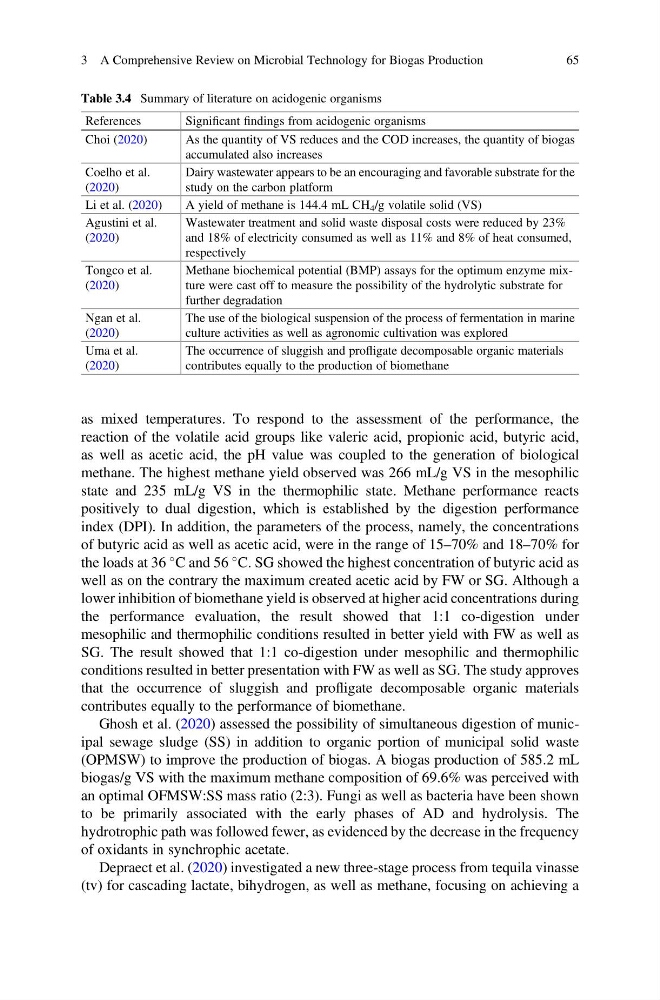
Table 3.4 Summary of literature on acidogenic organisms
References
Significant findings from acidogenic organisms
Choi (2020)
As the quantity of VS reduces and the COD increases, the quantity of biogas
accumulated also increases
Coelho et al.
(2020)
Dairy wastewater appears to be an encouraging and favorable substrate for the
study on the carbon platform
Li et al. (2020)
A yield of methane is 144.4 mL CH 4 /g volatile solid (VS)
Agustini et al.
(2020)
Wastewater treatment and solid waste disposal costs were reduced by 23%
and 18% of electricity consumed as well as 11% and 8% of heat consumed,
respectively
Tongco et al.
(2020)
Methane biochemical potential (BMP) assays for the optimum enzyme mixture were cast off to measure the possibility of the hydrolytic substrate for
further degradation
Ngan et al.
(2020)
The use of the biological suspension of the process of fermentation in marine
culture activities as well as agronomic cultivation was explored
Uma et al.
(2020)
The occurrence of sluggish and profligate decomposable organic materials
contributes equally to the production of biomethane
3 A Comprehensive Review on Microbial Technology for Biogas Production
65
reaction of the volatile acid groups like valeric acid, propionic acid, butyric acid,
as well as acetic acid, the pH value was coupled to the generation of biological
methane. The highest methane yield observed was 266 mL/g VS in the mesophilic
state and 235 mL/g VS in the thermophilic state. Methane performance reacts
positively to dual digestion, which is established by the digestion performance
index (DPI). In addition, the parameters of the process, namely, the concentrations
of butyric acid as well as acetic acid, were in the range of 15–70% and 18–70% for
the loads at 36
C and 56
C. SG showed the highest concentration of butyric acid as
well as on the contrary the maximum created acetic acid by FW or SG. Although a
lower inhibition of biomethane yield is observed at higher acid concentrations during
the performance evaluation, the result showed that 1:1 co-digestion under
mesophilic and thermophilic conditions resulted in better yield with FW as well as
SG. The result showed that 1:1 co-digestion under mesophilic and thermophilic
conditions resulted in better presentation with FW as well as SG. The study approves
that the occurrence of sluggish and profligate decomposable organic materials
contributes equally to the performance of biomethane.
Ghosh et al. (2020) assessed the possibility of simultaneous digestion of municipal sewage sludge (SS) in addition to organic portion of municipal solid waste
(OPMSW) to improve the production of biogas. A biogas production of 585.2 mL
biogas/g VS with the maximum methane composition of 69.6% was perceived with
an optimal OFMSW:SS mass ratio (2:3). Fungi as well as bacteria have been shown
to be primarily associated with the early phases of AD and hydrolysis. The
hydrotrophic path was followed fewer, as evidenced by the decrease in the frequency
of oxidants in synchrophic acetate.
Depraect et al. (2020) investigated a new three-stage process from tequila vinasse
(tv) for cascading lactate, bihydrogen, as well as methane, focusing on achieving a
Table 3.4 Summary of literature on acidogenic organisms
References
Significant findings from acidogenic organisms
Choi (2020)
As the quantity of VS reduces and the COD increases, the quantity of biogas
accumulated also increases
Coelho et al.
(2020)
Dairy wastewater appears to be an encouraging and favorable substrate for the
study on the carbon platform
Li et al. (2020)
A yield of methane is 144.4 mL CH 4 /g volatile solid (VS)
Agustini et al.
(2020)
Wastewater treatment and solid waste disposal costs were reduced by 23%
and 18% of electricity consumed as well as 11% and 8% of heat consumed,
respectively
Tongco et al.
(2020)
Methane biochemical potential (BMP) assays for the optimum enzyme mixture were cast off to measure the possibility of the hydrolytic substrate for
further degradation
Ngan et al.
(2020)
The use of the biological suspension of the process of fermentation in marine
culture activities as well as agronomic cultivation was explored
Uma et al.
(2020)
The occurrence of sluggish and profligate decomposable organic materials
contributes equally to the production of biomethane
3 A Comprehensive Review on Microbial Technology for Biogas Production
65