

et al. 2013). Hence, thermophilic fungi can serve as a suitable alternative of this.
Various moulds, e.g. Sporotrichum thermophile, Thermoascus aurantiacus and
Scytalidium thermophilum (Berka et al. 2011; Kaur et al. 2004), which are thermophilic in nature have shown sufficient enzymatic system for the lignocellulosic plant
biomass bioconversion process for enhanced bioethanol production. Saccharomyces
cerevisiae and Pichia stipites have been used for the production of bioethanol with
high yield at 30
C after 72 h (Bala and Singh 2019b). Similar reports with the rice
straw and waste tea cup paper hydrolysis are there in the literature using partially
purified cellulases and xylanase obtained from S. thermophile BJAMDU5, resulting
in the high yield of reducing sugars (Bala and Singh 2016). Various thermophilic
bacteria, such as Clostridium, Caldanaerobacter and Thermoanaerobacter, were
reported for high ethanol production (Taylor et al. 2009).
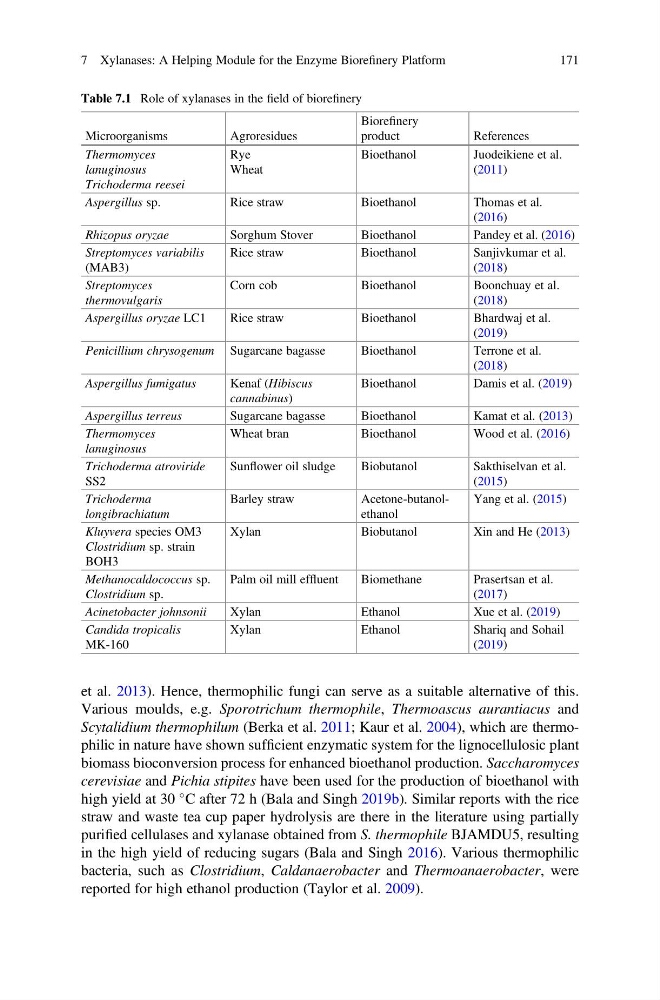
Table 7.1 Role of xylanases in the field of biorefinery
Microorganisms
Agroresidues
Biorefinery
product
References
Thermomyces
lanuginosus
Trichoderma reesei
Rye
Wheat
Bioethanol
Juodeikiene et al.
(2011)
Aspergillus sp.
Rice straw
Bioethanol
Thomas et al.
(2016)
Rhizopus oryzae
Sorghum Stover
Bioethanol
Pandey et al. (2016)
Streptomyces variabilis
(MAB3)
Rice straw
Bioethanol
Sanjivkumar et al.
(2018)
Streptomyces
thermovulgaris
Corn cob
Bioethanol
Boonchuay et al.
(2018)
Aspergillus oryzae LC1
Rice straw
Bioethanol
Bhardwaj et al.
(2019)
Penicillium chrysogenum Sugarcane bagasse
Bioethanol
Terrone et al.
(2018)
Aspergillus fumigatus
Kenaf (Hibiscus
cannabinus)
Bioethanol
Damis et al. (2019)
Aspergillus terreus
Sugarcane bagasse
Bioethanol
Kamat et al. (2013)
Thermomyces
lanuginosus
Wheat bran
Bioethanol
Wood et al. (2016)
Trichoderma atroviride
SS2
Sunflower oil sludge
Biobutanol
Sakthiselvan et al.
(2015)
Trichoderma
longibrachiatum
Barley straw
Acetone-butanolethanol
Yang et al. (2015)
Kluyvera species OM3
Clostridium sp. strain
BOH3
Xylan
Biobutanol
Xin and He (2013)
Methanocaldococcus sp.
Clostridium sp.
Palm oil mill effluent
Biomethane
Prasertsan et al.
(2017)
Acinetobacter johnsonii
Xylan
Ethanol
Xue et al. (2019)
Candida tropicalis
MK-160
Xylan
Ethanol
Shariq and Sohail
(2019)
7 Xylanases: A Helping Module for the Enzyme Biorefinery Platform
171
Various moulds, e.g. Sporotrichum thermophile, Thermoascus aurantiacus and
Scytalidium thermophilum (Berka et al. 2011; Kaur et al. 2004), which are thermophilic in nature have shown sufficient enzymatic system for the lignocellulosic plant
biomass bioconversion process for enhanced bioethanol production. Saccharomyces
cerevisiae and Pichia stipites have been used for the production of bioethanol with
high yield at 30
C after 72 h (Bala and Singh 2019b). Similar reports with the rice
straw and waste tea cup paper hydrolysis are there in the literature using partially
purified cellulases and xylanase obtained from S. thermophile BJAMDU5, resulting
in the high yield of reducing sugars (Bala and Singh 2016). Various thermophilic
bacteria, such as Clostridium, Caldanaerobacter and Thermoanaerobacter, were
reported for high ethanol production (Taylor et al. 2009).
Table 7.1 Role of xylanases in the field of biorefinery
Microorganisms
Agroresidues
Biorefinery
product
References
Thermomyces
lanuginosus
Trichoderma reesei
Rye
Wheat
Bioethanol
Juodeikiene et al.
(2011)
Aspergillus sp.
Rice straw
Bioethanol
Thomas et al.
(2016)
Rhizopus oryzae
Sorghum Stover
Bioethanol
Pandey et al. (2016)
Streptomyces variabilis
(MAB3)
Rice straw
Bioethanol
Sanjivkumar et al.
(2018)
Streptomyces
thermovulgaris
Corn cob
Bioethanol
Boonchuay et al.
(2018)
Aspergillus oryzae LC1
Rice straw
Bioethanol
Bhardwaj et al.
(2019)
Penicillium chrysogenum Sugarcane bagasse
Bioethanol
Terrone et al.
(2018)
Aspergillus fumigatus
Kenaf (Hibiscus
cannabinus)
Bioethanol
Damis et al. (2019)
Aspergillus terreus
Sugarcane bagasse
Bioethanol
Kamat et al. (2013)
Thermomyces
lanuginosus
Wheat bran
Bioethanol
Wood et al. (2016)
Trichoderma atroviride
SS2
Sunflower oil sludge
Biobutanol
Sakthiselvan et al.
(2015)
Trichoderma
longibrachiatum
Barley straw
Acetone-butanolethanol
Yang et al. (2015)
Kluyvera species OM3
Clostridium sp. strain
BOH3
Xylan
Biobutanol
Xin and He (2013)
Methanocaldococcus sp.
Clostridium sp.
Palm oil mill effluent
Biomethane
Prasertsan et al.
(2017)
Acinetobacter johnsonii
Xylan
Ethanol
Xue et al. (2019)
Candida tropicalis
MK-160
Xylan
Ethanol
Shariq and Sohail
(2019)
7 Xylanases: A Helping Module for the Enzyme Biorefinery Platform
171