

the animal fat, waste cooking oil, vegetable oil, and some microbial fatty acids
including microalgae, fungi, and bacteria (Demirbas 2009a, b). Based on the sources
of biodiesel production, biodiesel can be categorized in the first-generation, secondgeneration, third-generation, as well as fourth-generation biodiesel (Singh et al.
2020a). The first-generation fuels are derived from high plant biomass, grasses,
fewer wild vegetables, edible vegetable oils, etc. (Naik et al. 2010). The secondgeneration biodiesel is derived from biodiesel crops like jatropha, edible along with
non-edible vegetable oils, agricultural waste, domestic waste, and fewer algal
species (Aro 2016). The third-generation biodiesel is mainly based on the algae,
microalgae, and fatty acids derived from edible as well as non-edible vegetable oils
(Behera et al. 2015).
The fourth-generation fuels are the advanced category of biofuels and derived
from several modified microorganisms as well as biodiesel-producing crops (Singh
et al. 2020e, Chaturvedi et al. 2017). The modification in the biodiesel-producing
crops or organisms can be done using genetic engineering methods as well as
nutritional-based approaches. The biodiesel production can be also enhanced
through using analytical methods for oil extraction as well as biomass conversion
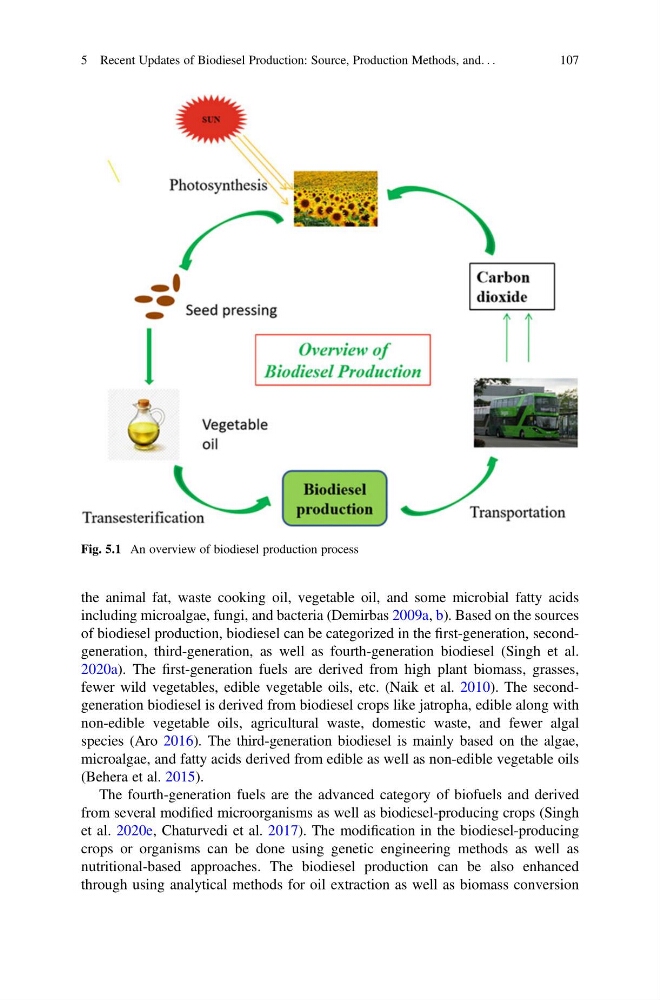
Fig. 5.1 An overview of biodiesel production process
5 Recent Updates of Biodiesel Production: Source, Production Methods, and. . .
107
including microalgae, fungi, and bacteria (Demirbas 2009a, b). Based on the sources
of biodiesel production, biodiesel can be categorized in the first-generation, secondgeneration, third-generation, as well as fourth-generation biodiesel (Singh et al.
2020a). The first-generation fuels are derived from high plant biomass, grasses,
fewer wild vegetables, edible vegetable oils, etc. (Naik et al. 2010). The secondgeneration biodiesel is derived from biodiesel crops like jatropha, edible along with
non-edible vegetable oils, agricultural waste, domestic waste, and fewer algal
species (Aro 2016). The third-generation biodiesel is mainly based on the algae,
microalgae, and fatty acids derived from edible as well as non-edible vegetable oils
(Behera et al. 2015).
The fourth-generation fuels are the advanced category of biofuels and derived
from several modified microorganisms as well as biodiesel-producing crops (Singh
et al. 2020e, Chaturvedi et al. 2017). The modification in the biodiesel-producing
crops or organisms can be done using genetic engineering methods as well as
nutritional-based approaches. The biodiesel production can be also enhanced
through using analytical methods for oil extraction as well as biomass conversion
Fig. 5.1 An overview of biodiesel production process
5 Recent Updates of Biodiesel Production: Source, Production Methods, and. . .
107